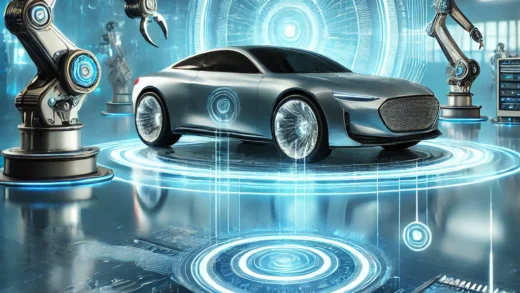
Tesla’s Full Self-Driving (FSD) system has always been one of the most ambitious and controversial technologies in the American automotive landscape. It represents both the promise of a self-driving future and the tension between innovation and regulation. From flexible subscriptions to mounting lawsuits and heated safety debates, FSD continues to dominate headlines—and divide opinion—across the United States.

The Rise of Tesla FSD and the Subscription Shift
Tesla’s vision for self-driving cars has evolved steadily from its original Autopilot feature into the more advanced FSD (Supervised) system available today. Unlike the basic driver-assist functions found in most vehicles, FSD is designed to navigate city streets, respond to traffic signals, and handle complex intersections—though it still requires constant driver supervision.
In the U.S., Tesla offers FSD in two ways: a one-time purchase or a monthly subscription. The subscription model, priced around $99 per month, has been a game-changer for accessibility. Instead of committing thousands of dollars upfront, drivers can now try FSD month-to-month, pausing or canceling as they wish. Tesla has also adjusted the full purchase price several times, reflecting both market feedback and ongoing software updates.
This shift underscores Tesla’s broader move toward becoming a software-as-a-service company—not just an automaker. Subscriptions create recurring revenue and allow Tesla to roll out updates and features over time, similar to how smartphone apps evolve. However, for consumers, the real question remains: are they paying for a finished product or an evolving experiment?
The Legal Landscape: When Technology Meets the Courtroom
Tesla’s self-driving ambitions have also drawn intense legal scrutiny in the U.S. A high-profile case in Florida recently saw a jury order Tesla to pay over $200 million in damages for a fatal crash involving a driver who was reportedly using Autopilot. While FSD and Autopilot are technically different, both systems share underlying code and safety mechanisms—making this verdict a warning shot for Tesla’s broader driver-assist ecosystem.
At the same time, federal regulators are stepping in. The National Highway Traffic Safety Administration (NHTSA) has opened a probe into nearly three million Tesla vehicles over concerns that FSD may allow cars to break traffic laws—running red lights, speeding, or driving in unsafe conditions. The agency is analyzing whether Tesla’s software architecture encourages risky behavior, particularly in city driving.
Tesla has long maintained that its system is safer than human drivers when used correctly, citing billions of real-world miles of data. Yet critics argue that calling it “Full Self-Driving” misleads consumers into over-trusting the technology. The naming controversy has even fueled class-action lawsuits from owners claiming they paid for a feature that isn’t yet fully autonomous.
The Safety Debate: Progress or Premature Promise?
Safety remains the central point of debate. Supporters say Tesla’s rapid data-driven updates make it one of the most advanced systems in the world. Every mile driven by an FSD-equipped Tesla feeds data back to the company’s neural networks, helping refine decision-making algorithms. For many drivers, FSD already makes commutes smoother and reduces fatigue on highways and in traffic.
But critics—and regulators—see things differently. The NHTSA and safety watchdog groups have raised concerns about accidents where Tesla vehicles, using Autopilot or FSD, allegedly failed to detect obstacles or made unsafe maneuvers. Reports have surfaced of drivers misusing the system, taking their hands off the wheel or even falling asleep, believing the car could manage itself.
Adding to the controversy, Tesla reintroduced its “Mad Max” driving mode, which allows more aggressive lane changes and speeds above posted limits. Safety experts have argued this undermines public trust at a time when regulators are already questioning FSD’s compliance with traffic laws.
Meanwhile, a Wired investigation revealed that some Tesla vehicles have urged tired or inattentive drivers to re-engage FSD, a move some experts say could blur the line between safety feature and risky automation. This tug-of-war between innovation and responsibility highlights how fragile consumer confidence in self-driving technology can be.
Consumer Sentiment in the U.S.
Public opinion on FSD is deeply divided. Surveys suggest that nearly half of Americans believe Tesla’s FSD should be restricted or banned until it proves safer than human driving. While Tesla owners who use FSD tend to be loyal and enthusiastic, others worry the technology is evolving too quickly without enough oversight.
For many U.S. consumers, Tesla’s subscription model makes FSD more approachable but also more uncertain. Paying monthly for a system still labeled as “beta” raises questions about liability and value. If a driver cancels the subscription, they lose access to features that might improve safety—creating a new ethical challenge in the subscription era of mobility.
The Road Ahead
Despite the controversy, Tesla continues to push ahead. Elon Musk has said that solving autonomy is the company’s ultimate mission and a prerequisite for the long-promised Robo-Taxi network. To reach that vision, Tesla must win over regulators and public trust by demonstrating measurable safety improvements.
The U.S. automotive market will remain Tesla’s proving ground. The outcomes of current lawsuits and federal investigations could shape how all automakers approach self-driving features in the coming years. If Tesla succeeds, FSD could redefine what it means to “own” a vehicle—transforming cars into constantly improving digital platforms.
But for now, Tesla’s FSD sits at the intersection of innovation, controversy, and caution. It’s a technology that promises freedom yet demands responsibility. As the debate unfolds across courtrooms, highways, and households, one thing is certain: the journey toward true self-driving in America is just getting started—and it won’t be a smooth ride.