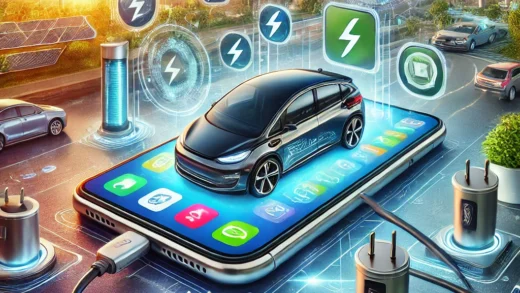
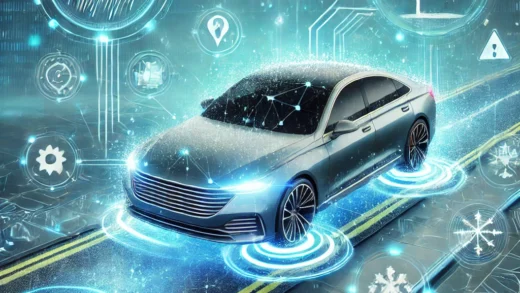
Imagine waking up in the morning to find your car performing better, driving smarter, and offering new features — all without stepping into a workshop. This isn’t science fiction anymore. Thanks to Over-the-Air (OTA) updates, modern cars are now capable of fixing bugs, enhancing performance, and adding fresh functionalities overnight. Much like how smartphones regularly receive software updates, today’s vehicles can upgrade themselves wirelessly.
This quiet revolution is changing how drivers experience ownership and how automakers think about vehicle maintenance, safety, and innovation. The global automotive market is now embracing a new era where cars are defined as much by software as by horsepower.

What exactly are OTA updates?
OTA updates are wireless software deliveries sent to a vehicle’s onboard computers via Wi-Fi or cellular networks. These updates can touch almost every aspect of the car — from infotainment systems and navigation to advanced driver assistance features and battery performance.
In simple terms, OTA technology allows automakers to roll out improvements or fixes remotely, without the owner visiting a service center. This helps manufacturers address safety issues quickly, add new features, and even improve driving dynamics through software calibration.
Originally pioneered by electric vehicle brands, OTA updates are now being adopted across the automotive industry, from luxury brands to mainstream carmakers.
A global market shift toward software-defined vehicles
The global market for OTA updates is growing at a rapid pace. Analysts project the market to exceed USD 15 billion within the next decade, driven by the explosion of connected vehicles and electric mobility. Automakers in North America and Europe have been early leaders, while Asia-Pacific markets — particularly China, South Korea, and India — are quickly catching up with their own connected vehicle ecosystems.
This expansion marks a broader transformation: cars are no longer static machines delivered “as is.” They are now software-defined vehicles — platforms that evolve continuously through data and code. OTA updates make this evolution seamless, improving vehicles long after they leave the factory floor.
Real-world examples: Cars that evolve overnight
Some of the world’s most advanced automakers already deliver OTA capabilities across multiple systems. Electric vehicles frequently receive updates that optimize battery efficiency, extend driving range, or fine-tune regenerative braking. In other cases, updates enhance semi-autonomous driving performance, improve parking assistance, or refresh the infotainment interface with new visuals and apps.
For instance, a recent global case saw a major manufacturer resolve an assisted driving issue across thousands of electric vehicles using a simple OTA patch. What once might have required a costly recall was fixed remotely, saving time and maintaining customer trust.
This flexibility illustrates why OTA technology is becoming an essential part of modern vehicle management — it helps automakers respond to real-world challenges quickly, efficiently, and securely.
The benefits of OTA technology
For drivers, the most obvious advantage is convenience. There’s no need to schedule service appointments for minor software problems or system upgrades. Updates are installed automatically, often overnight, leaving the car ready for improved performance the next day.
Another key benefit is safety. When manufacturers discover potential flaws or vulnerabilities, they can deploy patches instantly across the entire fleet, ensuring every connected vehicle stays protected. This reduces the risks associated with delayed recalls or outdated software.
There’s also an element of value retention. A car that continuously evolves feels new for longer, giving owners access to better features without changing vehicles. This could reshape resale markets as buyers begin valuing how “updatable” a car is.
For automakers, OTA updates provide a cost-effective way to manage maintenance, enhance customer satisfaction, and even create new revenue streams through on-demand feature upgrades or subscription services.
Challenges and concerns
While OTA updates bring undeniable benefits, they also raise new challenges. Cybersecurity remains the top concern. As vehicles become more connected, they’re also more exposed to potential hacking attempts. To counter this, carmakers are investing heavily in encrypted communication systems and secure update pipelines that ensure authenticity and integrity.
Another issue is connectivity infrastructure. Reliable internet access is essential for seamless OTA deployment, and some regions — particularly in developing markets — still face network coverage gaps. Automakers must ensure updates can be delivered safely, even with inconsistent connectivity.
There’s also a matter of consumer awareness. Many drivers still hesitate to install updates promptly, either out of caution or misunderstanding. Some manufacturers now emphasize regular updates as part of vehicle maintenance, linking them to performance and warranty conditions to encourage compliance.
How OTA updates are reshaping the auto industry?
Over-the-air technology is quietly redefining how vehicles are built, sold, and supported. Instead of focusing solely on mechanical reliability, carmakers now compete on software quality, update frequency, and post-sale innovation. This shift blurs the line between automaker and tech company.
In the future, dealerships may transform into digital service hubs that focus on diagnostics, training, and data analysis rather than traditional mechanical repairs. Governments and regulators are also adapting, creating standards for OTA update transparency and cybersecurity to ensure drivers remain safe and informed.
The road ahead
The rise of OTA updates signals a fundamental transformation in the global automotive landscape. Vehicles are evolving into intelligent systems that adapt, improve, and repair themselves with minimal driver involvement. This means fewer workshop visits, greater efficiency, and a smoother ownership experience.
As electric and autonomous vehicles become mainstream, OTA updates will play an even more critical role — not just for entertainment or navigation, but for safety, performance, and compliance.
The future of driving is one where your car learns, adapts, and upgrades overnight — all while you sleep. And as automakers worldwide embrace this software-first philosophy, the road ahead looks more connected, secure, and innovative than ever.