

Electric vehicles (EVs) have taken the world by storm, transforming the way we think about mobility, sustainability, and cutting-edge technology. Among the forces driving this shift, Formula E—the world’s premier all-electric motorsport championship—stands out as a true trailblazer. Far from being just a thrilling spectacle for racing fans, Formula E serves as a testing ground for EV innovation that directly benefits the consumer market.
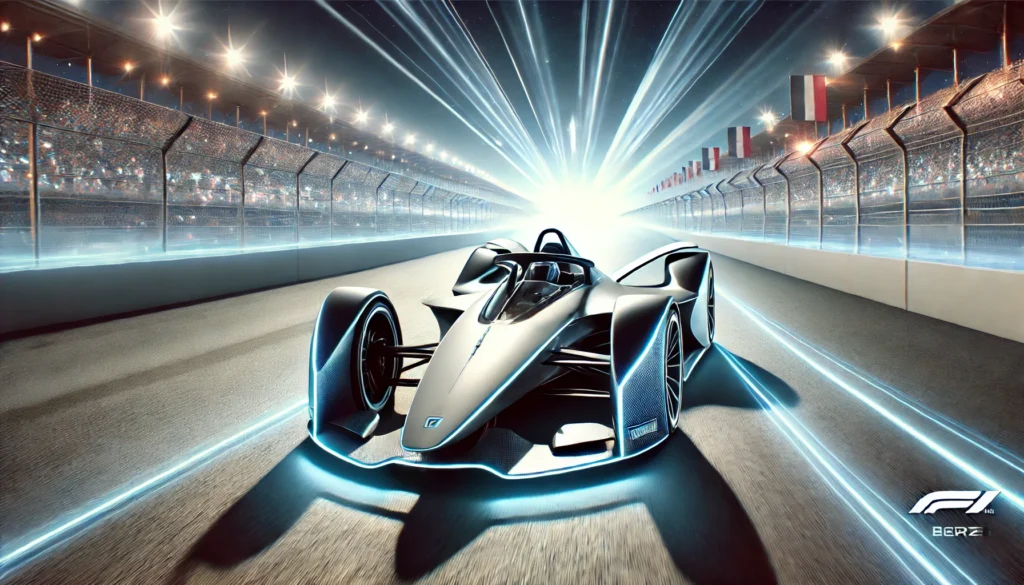
What Is Formula E?
Formula E is the first motorsport series exclusively for electric vehicles, showcasing high-speed, high-tech races on urban circuits around the world. With iconic cities like New York, Paris, and Berlin hosting these events, Formula E isn’t just about racing; it’s a statement on the future of sustainable mobility. Automakers, tech companies, and energy innovators come together in Formula E to push the boundaries of EV technology, and the results are being felt far beyond the racetrack.
Bridging the Gap Between the Track and the Road
Formula E plays a pivotal role in making EVs more practical, efficient, and accessible to everyday drivers. The championship’s unique regulations encourage manufacturers to innovate in critical areas like battery performance, energy management, and drivetrain efficiency—all of which are directly applicable to consumer electric vehicles.
Battery technology, for instance, has seen major advances thanks to Formula E. The demands of a race require batteries that are lightweight, compact, and capable of delivering exceptional performance. Innovations developed in the heat of competition—such as fast-charging solutions and extended battery range—are now making their way into the EVs parked in our driveways.
Energy recovery systems, another hallmark of Formula E, are also shaping consumer EVs. Regenerative braking, which captures energy lost during braking and feeds it back into the battery, was honed on the track before becoming a standard feature in many EVs on the road today.
A Catalyst for Sustainable Innovation
Formula E isn’t just about better performance; it’s about creating a more sustainable future. The sport’s commitment to zero-emission racing aligns with global efforts to combat climate change and reduce dependence on fossil fuels. This ethos has inspired automakers to prioritize sustainability not just in the vehicles they produce but also across their manufacturing processes.
The “Race to Road” technology transfer is only part of the story. Formula E’s global platform has also raised awareness about EVs and electric mobility, making these technologies more appealing and approachable to the average consumer. By showcasing the potential of EVs in exciting, high-profile events, Formula E is breaking down misconceptions and showing that going electric doesn’t mean sacrificing performance or excitement.
Collaboration with Automotive Giants
Many of the world’s leading automakers are using Formula E as a testing ground for their latest innovations. Companies like Porsche, Jaguar, and Nissan have invested heavily in the series, seeing it as a key to gaining a competitive edge in the booming EV market. This collaboration has led to breakthroughs that would have taken years to develop in traditional R&D settings.
For instance, the lightweight materials and aerodynamic designs pioneered in Formula E have trickled down to mass-market EVs, improving their range and efficiency. Similarly, software improvements in energy management, developed to give racing teams an edge, are now enhancing the driving experience for EV owners everywhere.
Urban-Centric Racing and Its Real-World Impacts
Unlike traditional motorsports, Formula E races take place on city streets rather than purpose-built circuits. This unique format brings the sport closer to the people and underscores its relevance to urban mobility. The challenges of city racing—sharp turns, unpredictable surfaces, and the need for rapid acceleration—mirror the conditions faced by EVs in real-world driving.
By fine-tuning EV performance in these demanding environments, Formula E is helping to create vehicles that excel in cities, where most EVs are driven. This focus on urban mobility is especially important as cities across the US and Europe push for greener transportation solutions to combat congestion and pollution.
The Future of Formula E and Consumer EVs
As Formula E continues to grow, its influence on the EV market will only increase. New developments, such as wireless charging, solid-state batteries, and advanced driver-assistance systems, are being explored in the series and could soon become standard in consumer EVs. Moreover, the championship’s emphasis on renewable energy and carbon neutrality is setting a standard that the entire automotive industry is being encouraged to follow.
For consumers, this means an exciting future of electric cars that are faster, smarter, and more sustainable than ever before. From improved battery range to sleek, futuristic designs, the impact of Formula E is clear every time you see an EV silently gliding down the road.
Conclusion
Formula E isn’t just about racing; it’s about redefining what’s possible in electric mobility. By pushing the limits of technology and sustainability, this groundbreaking motorsport is driving real-world innovation that benefits EV owners in the US, Europe, and beyond. Whether you’re a racing fan, an EV enthusiast, or simply someone interested in a greener future, Formula E is proof that progress and passion can go hand in hand.
So, the next time you consider an EV, remember that some of the technology making your ride smarter, cleaner, and more fun may have been tested on the vibrant streets of a Formula E circuit.


