As we move through 2025, Europe’s high-speed rail networks are not only transforming travel but also having a significant impact on car sales across the continent. This shift towards faster, more efficient public transportation is reshaping consumer behavior and influencing the automotive market in ways that the United States is beginning to observe. Understanding this dynamic can offer valuable insights for both European and American car manufacturers and policymakers.
The High-Speed Rail Boom in Europe
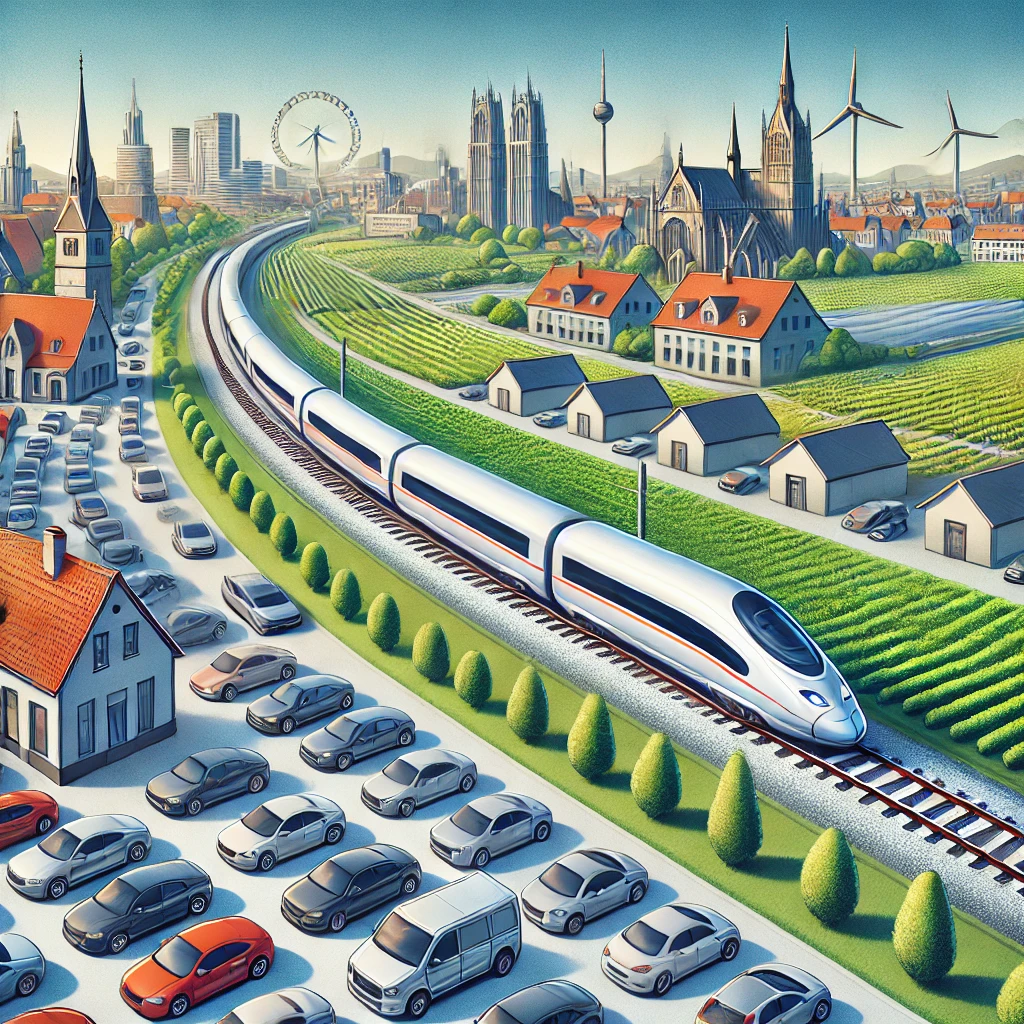
Europe has long been a pioneer in high-speed rail development, with countries like France, Germany, and Spain leading the charge. The expansion of rail networks such as France’s TGV, Germany’s ICE, and Spain’s AVE has made traveling between major cities quicker, more comfortable, and more environmentally friendly. These trains connect bustling urban centers, reducing the need for short-haul flights and long car journeys.
The convenience and efficiency of high-speed rail have made it a preferred choice for many Europeans. Business travelers, tourists, and daily commuters alike are opting for trains over cars, leading to a noticeable decline in car sales, especially for models primarily used for short-distance travel. The environmental benefits of rail travel, including lower carbon emissions and reduced traffic congestion, further bolster its appeal among eco-conscious consumers.
Declining Car Sales in Europe
The rise of high-speed rail has directly influenced car sales in Europe. With more people choosing trains for their daily commutes and intercity travel, the demand for personal vehicles has seen a downturn. Compact cars and hatchbacks, which are ideal for urban environments, are particularly affected as public transportation becomes a more attractive and practical option.
Automakers in Europe are responding to this trend by diversifying their offerings. There is a growing emphasis on electric vehicles (EVs) and hybrid models, which align with the region’s strong environmental regulations and consumer preferences for sustainable mobility solutions. Additionally, car manufacturers are increasingly investing in shared mobility services and car subscription models to adapt to the changing landscape.
Lessons for the U.S. Market
While the United States has a more car-centric culture compared to Europe, the success of high-speed rail in Europe offers several lessons for American cities and car manufacturers. Major U.S. cities like New York, Chicago, and Los Angeles are exploring high-speed rail projects to improve connectivity and reduce traffic congestion. As these projects come to fruition, they could mirror the European experience, potentially influencing car sales and urban mobility patterns.
One key takeaway is the importance of investing in reliable and efficient public transportation infrastructure. High-speed rail provides a viable alternative to car travel, especially for intercity routes, which can lead to a reduction in car ownership and usage. For the U.S. automotive industry, this means adapting to a potential decline in demand for certain types of vehicles and focusing more on sustainable and versatile mobility solutions.
Shifting Consumer Preferences
The European shift towards high-speed rail reflects broader changes in consumer preferences. Modern consumers, particularly younger generations, are prioritizing sustainability, cost-efficiency, and convenience over traditional car ownership. This trend is evident in the increasing popularity of car-sharing services, electric vehicles, and public transportation options.
In the U.S., similar shifts are beginning to emerge. As awareness of environmental issues grows and as urban areas become more congested, American consumers are increasingly open to alternatives to personal car ownership. High-speed rail could play a pivotal role in this transition, especially if it can offer comparable convenience and speed to Europe’s networks.
The Role of Technology and Innovation
Technology and innovation are central to the success of high-speed rail and its impact on car sales. Advanced signaling systems, efficient energy usage, and high levels of passenger comfort make high-speed trains a competitive option against cars. In Europe, continuous investments in rail technology ensure that trains remain a cutting-edge mode of transportation.
In the U.S., leveraging technology to enhance the efficiency and appeal of high-speed rail will be crucial. Integrating smart technologies, such as real-time tracking, seamless ticketing systems, and superior passenger amenities, can make rail travel more attractive. Additionally, collaborations between governments and private companies can drive the innovation needed to overcome logistical and financial challenges.
Future Outlook
Looking ahead, the relationship between high-speed rail and car sales in Europe suggests a future where both modes of transportation coexist, each serving different needs and preferences. While high-speed rail will dominate intercity travel, personal cars will likely remain essential for suburban and rural areas where rail infrastructure is less feasible.
For the U.S., the potential growth of high-speed rail presents both challenges and opportunities for the automotive industry. By embracing sustainable practices, investing in innovative mobility solutions, and learning from Europe’s successful integration of rail and automotive sectors, American car manufacturers can navigate the evolving landscape and continue to thrive.
Conclusion
The resurgence of high-speed rail in Europe is not just a transportation revolution; it’s a catalyst for change in the automotive market. As Europe continues to lead the way in integrating high-speed rail with everyday mobility, the impact on car sales is clear. The United States has much to learn from this model as it seeks to balance car-centric culture with the growing demand for sustainable and efficient public transportation. By understanding and adapting to these trends, both regions can move towards a more connected and environmentally friendly future.