

Automotive photography is an art that requires a unique blend of technical skill, creativity, and an eye for detail. Whether you’re a professional photographer, a car enthusiast, or just someone looking to capture memories with your vehicle, understanding the nuances of photographing cars can make all the difference. In 2024, with advanced technology and a growing community of car lovers, it’s the perfect time to hone your skills in this exciting field. Let’s explore some effective car photography tips that will help you take stunning shots of vehicles.
Understanding Your Equipment
The first step in mastering automotive photography is getting to know your equipment. While high-end cameras and lenses can enhance your photos, you don’t need to break the bank to capture amazing images. Many smartphones today come equipped with impressive cameras that can be used effectively for automotive photography.
If you’re using a DSLR or mirrorless camera, invest time in understanding the different settings, such as aperture, shutter speed, and ISO. Each of these elements plays a crucial role in how your photos turn out. For example, a wider aperture can create a beautiful background blur, highlighting the car as the main subject. On the other hand, a faster shutter speed can freeze the action when photographing cars in motion. Take time to practice with your camera before heading out for a shoot, and don’t hesitate to experiment with different settings to see what works best.
Choosing the Right Location
Location can make or break your automotive photography. In the U.S., there are countless stunning backdrops that can complement the car you are photographing. Urban settings can add a modern edge to your shots, while rural landscapes can provide a serene and natural contrast.
When selecting a location, consider the type of car you’re shooting and the vibe you want to convey. A sleek sports car might look incredible against a gritty cityscape, while a vintage vehicle may shine in a quaint, rustic setting. Always ensure that the location is safe and that you have permission to shoot there, especially if you’re using professional equipment. Timing is also crucial; shooting during the golden hour—just after sunrise or before sunset—provides beautiful natural lighting that can enhance the overall look of your photos.
Mastering Composition
Composition is essential in automotive photography. One of the most effective techniques is the rule of thirds, which involves dividing your frame into a 3×3 grid and placing the car along these lines or at the intersections. This creates a more balanced and engaging photo.
Don’t be afraid to get creative with angles. Capture the car from low angles to emphasize its size and design or try shooting from above to give a unique perspective. Additionally, incorporating elements of the environment can add depth to your images. For example, you might capture reflections in puddles or the surrounding landscape to create more dynamic shots.
Utilizing Lighting Effectively
Lighting can drastically change the mood and quality of your automotive photos. In 2024, many photographers are leveraging natural light, but artificial lighting can also be beneficial. When shooting outdoors, try to avoid harsh midday sunlight, which can create unflattering shadows. Instead, aim for overcast days or shoot during the golden hour for soft, diffused light.
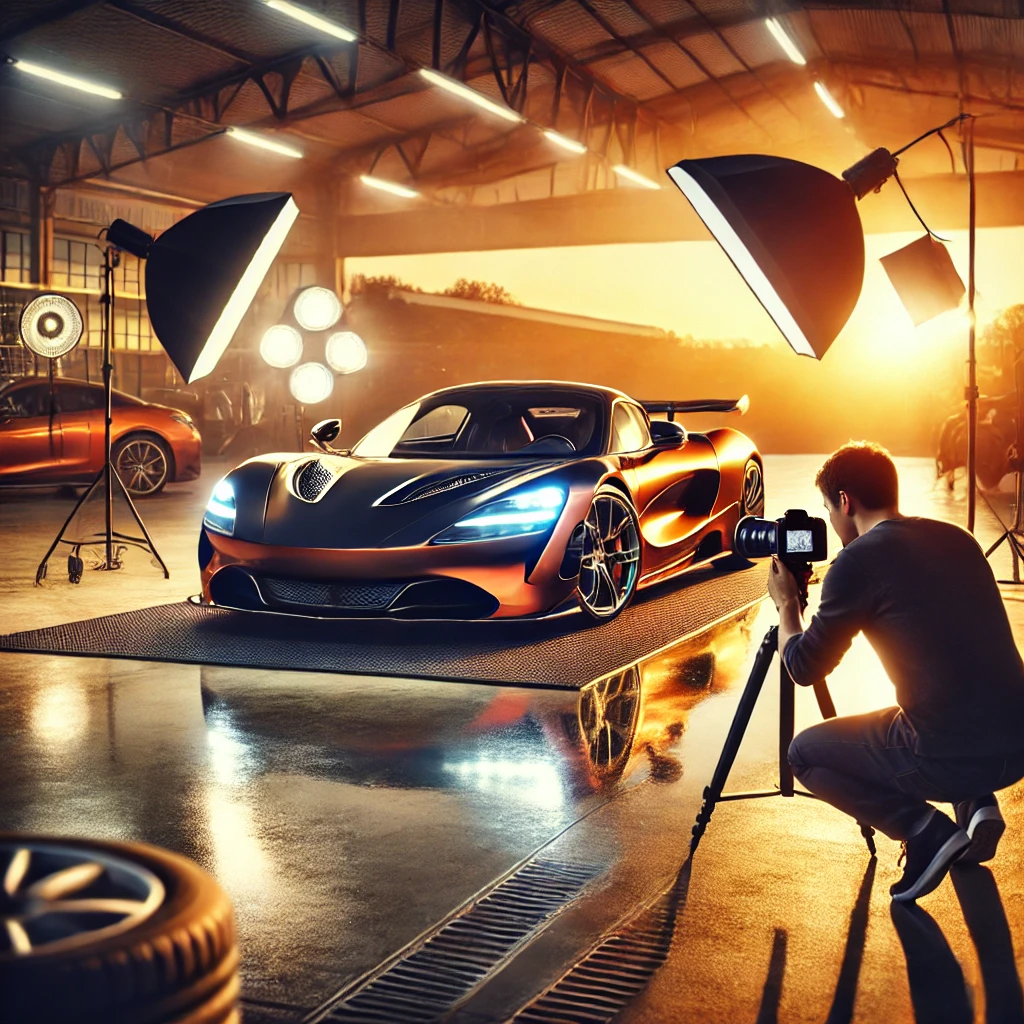
If you’re shooting indoors or in a controlled environment, consider using softboxes or reflectors to manage the lighting effectively. This approach allows you to highlight specific features of the car while minimizing harsh shadows. Remember that the way light interacts with the vehicle’s surfaces can enhance its curves and textures, making the car look even more appealing.
Editing Your Photos
Once you’ve captured your shots, it’s time to edit them. Post-processing can elevate your automotive photography to the next level. In 2024, various software options are available, from professional-grade programs like Adobe Lightroom and Photoshop to user-friendly apps for smartphones.
When editing, focus on enhancing the car’s colors and details without overdoing it. Adjust the contrast, brightness, and saturation to make the vehicle pop while maintaining a natural look. You can also crop images to improve composition or straighten lines that may be slightly off. The goal is to enhance the viewer’s experience while staying true to the car’s original look.
Connecting with the Community
Finally, automotive photography is as much about community as it is about the art itself. In the U.S., there are numerous online platforms, social media groups, and local clubs dedicated to car enthusiasts and photographers alike. Engaging with these communities can provide valuable feedback, tips, and even opportunities for collaboration.
Sharing your work on platforms like Instagram and dedicated automotive photography sites can also help you connect with others who share your passion. Not only can this lead to inspiration and new ideas, but it can also open doors to potential partnerships with car brands, events, or local dealerships looking for photography services.
Conclusion
In 2024, automotive photography continues to be a vibrant and evolving art form. By mastering your equipment, choosing the right locations, and understanding composition and lighting, you can elevate your car photography to new heights. Remember that practice is key, and the more you shoot, the better you’ll become. Whether you’re capturing your own vehicle or showcasing a client’s ride, these car photography tips will help you tell a compelling visual story. So grab your camera, hit the road, and let your creativity shine as you photograph the stunning world of automobiles.


