As the demand for electric vehicles (EVs) continues to surge in 2024, innovative solutions are emerging to address the challenges associated with charging. One of the most exciting developments is battery swapping, a method that offers a practical and efficient way to keep commercial vehicles on the road without long downtime. This blog will explore the concept of battery swapping for commercial use, how it works, its advantages, and the potential it holds for the future of electric fleets in the United States.
What is Battery Swapping?
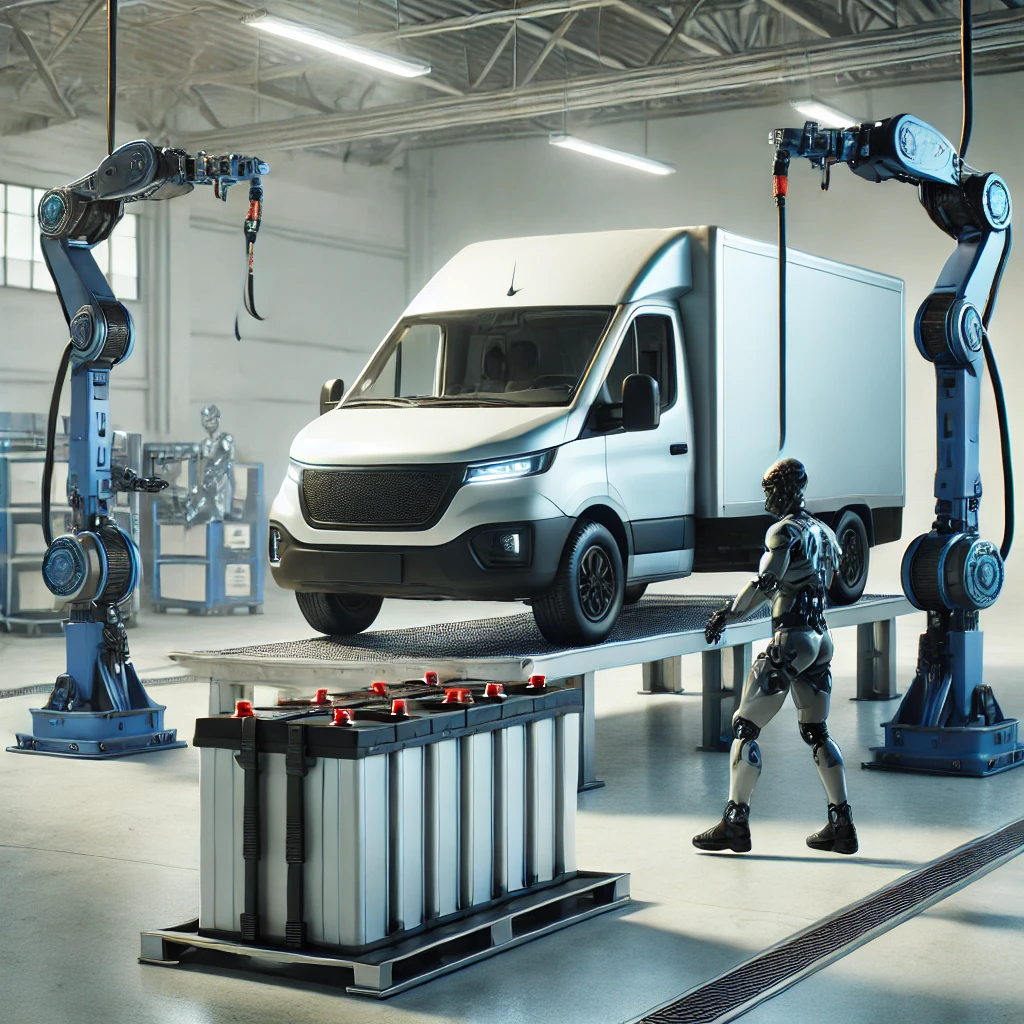
Battery swapping involves exchanging a depleted battery for a fully charged one at designated swapping stations. This process is designed to be quick and efficient, allowing drivers to get back on the road in a fraction of the time it would take to charge a vehicle using traditional methods. The concept has been gaining traction, particularly in the commercial sector, where time is money, and downtime can significantly impact productivity.
In 2024, battery swapping is being explored by various companies looking to optimize the performance of their electric fleets. While still in its infancy compared to conventional charging methods, battery swapping presents an intriguing alternative, especially for businesses that rely on fast turnaround times.
The Benefits of Battery Swapping for Commercial Fleets
One of the most significant advantages of battery swapping is the reduction of downtime for commercial vehicles. Traditional charging methods, even with fast chargers, can take anywhere from 30 minutes to several hours, depending on the vehicle and the charging infrastructure. For businesses that rely on quick deliveries or constant operations, this can be a logistical nightmare.
Battery swapping stations can allow vehicles to exchange their batteries in as little as three to five minutes, making it a viable quick charge solution. This efficiency means that drivers can spend less time waiting to charge and more time on the road, leading to increased productivity and better service delivery.
Another benefit is the potential for improved battery management. In a battery swapping scenario, batteries can be monitored and maintained more effectively. Swapping stations can ensure that only healthy batteries are in circulation, which can enhance the overall performance of the fleet. Companies can also benefit from insights into battery health, leading to informed decisions about when to replace or upgrade battery packs.
Infrastructure and Investment
For battery swapping to become a mainstream solution in the US, significant investment in infrastructure is essential. As of 2024, several companies are beginning to develop swapping stations, primarily in urban areas where demand for rapid turnaround is highest. However, the deployment of these stations requires strategic planning and investment from both the private and public sectors.
Companies that invest in battery swapping technology can create a competitive advantage by offering faster service and reducing operational costs. Fleet operators should assess their routes and operations to determine the feasibility of integrating battery swapping into their logistics.
The Challenges Ahead
While the benefits of battery swapping are compelling, there are challenges that need to be addressed. One of the most significant hurdles is standardization. Currently, different manufacturers produce batteries with varying specifications, making it difficult to create a universal swapping system. Without industry-wide standards, battery swapping may not be scalable across different vehicle models.
Additionally, the initial costs associated with setting up swapping stations can be high. Businesses need to weigh the long-term benefits against the upfront investments. Governments and private investors can play a crucial role in overcoming these financial barriers by providing grants and incentives to support the establishment of battery swapping infrastructure.
The Future of Battery Swapping in the US
As the electric vehicle market continues to evolve, the potential for battery swapping in commercial use is gaining attention. In 2024, we are witnessing increased interest from logistics companies, ride-hailing services, and delivery platforms looking for ways to optimize their electric fleets. Battery swapping could play a crucial role in shaping the future of transportation, especially in urban settings where rapid turnaround times are essential.
Moreover, as technology advances, we can expect improvements in battery design and swapping technology that may address current challenges. Research and development efforts aimed at standardizing battery packs and enhancing the efficiency of swapping stations are critical for the widespread adoption of this innovative solution.
Conclusion
In summary, battery swapping for commercial use is an exciting development in the realm of electric vehicles. By offering quick charge solutions that minimize downtime, battery swapping has the potential to revolutionize how businesses operate their electric fleets. While there are challenges to overcome, the growing interest in this technology indicates a bright future ahead. As we progress through 2024 and beyond, the integration of battery swapping into commercial EV charging methods could help create a more efficient and sustainable transportation landscape in the United States.