

As we move further into 2024, the work landscape continues to evolve, and one significant trend has emerged: remote work. This shift has not only changed how we work but has also profoundly impacted transportation patterns across the United States. In this blog, we’ll explore the various ways that remote work has altered commuting trends, reduced traffic congestion, and reshaped our transportation infrastructure.
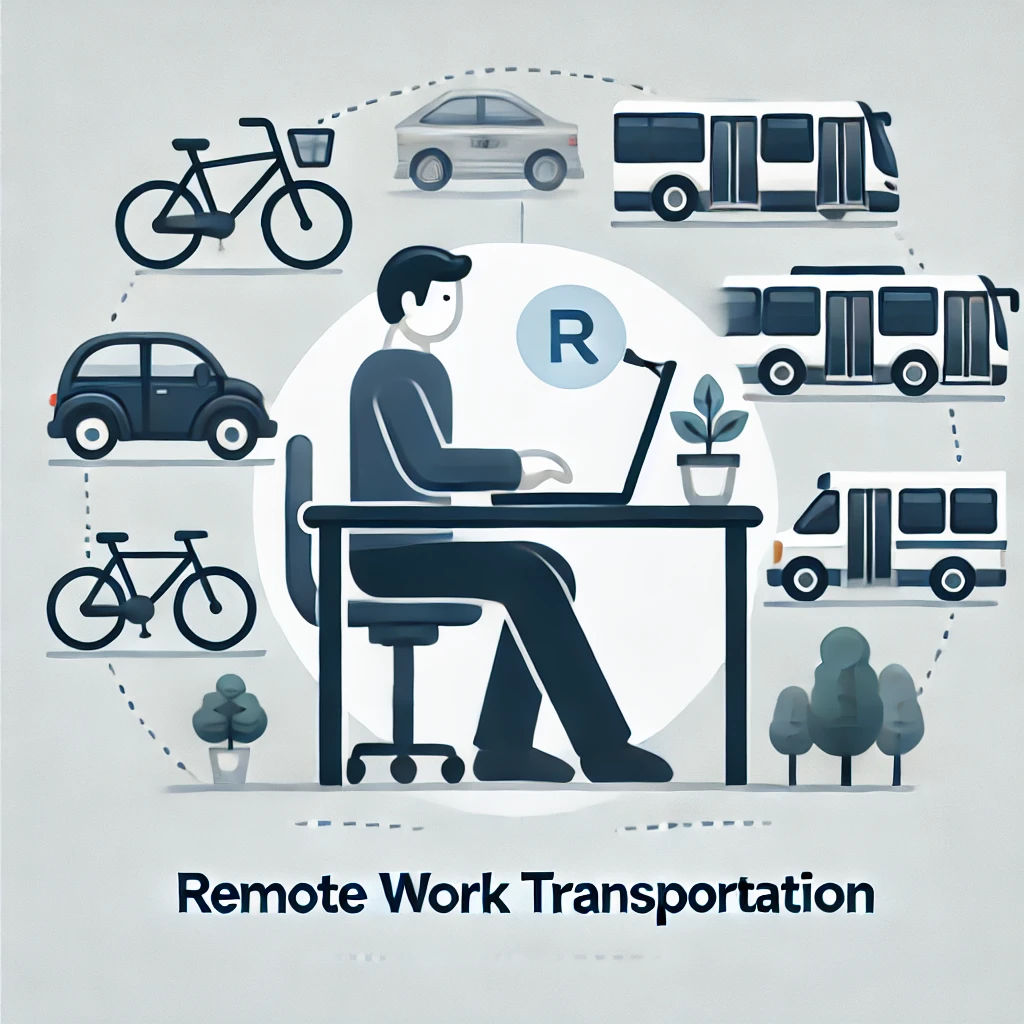
Changing Commuting Trends
One of the most noticeable effects of remote work is the significant decline in daily commutes. With more employees opting to work from home, traditional commuting patterns have shifted dramatically. Before the pandemic, many workers spent hours each week in traffic, leading to frustration and stress. However, with remote work becoming more mainstream, millions of Americans have exchanged long drives for flexible work environments.
This change has allowed employees to reclaim precious time that would have otherwise been spent commuting. Many have reported using this extra time for family activities, exercise, or simply enjoying a more relaxed morning routine. The trend of working from home has led to a more balanced lifestyle for many, fostering a sense of well-being and reducing burnout.
Reducing Traffic Congestion
With fewer commuters on the roads, urban areas have experienced a noticeable reduction in traffic congestion. Major cities that once struggled with gridlock are seeing a decline in rush-hour traffic, making travel easier and more efficient for those who still need to commute. This reduction not only benefits individual drivers but also has positive implications for businesses and the economy.
Less traffic means shorter delivery times for goods and services, benefiting both consumers and retailers. The reduction in congestion has also led to lower levels of air pollution, contributing to a cleaner environment. With fewer cars on the road, cities are experiencing improved air quality, which has health benefits for residents.
Shifting Transportation Priorities
As remote work becomes the norm, transportation priorities are shifting. Public transit systems that once relied heavily on daily commuters are reevaluating their services. Many transit agencies are adapting by offering more flexible schedules or on-demand services to meet the needs of part-time commuters. This flexibility can make public transit a more appealing option for those who may not need to travel daily but still require transportation occasionally.
Additionally, as more people embrace remote work, there is a growing interest in alternative transportation methods. Biking, walking, and using electric scooters are becoming increasingly popular, especially in urban areas. Cities are responding by investing in infrastructure that supports these modes of transportation, such as dedicated bike lanes and pedestrian-friendly walkways.
Economic Implications
The shift to remote work has also had significant economic implications for transportation. With fewer people commuting, businesses related to fuel sales, public transit, and parking facilities are seeing changes in revenue. This shift has prompted policymakers and business leaders to rethink how they approach transportation funding and infrastructure development.
Moreover, as companies recognize the long-term benefits of remote work, they may choose to reduce their physical office space. This could lead to a decrease in demand for commuting-related services and products, which may ultimately reshape the transportation industry.
The Future of Transportation
Looking ahead, the long-term impact of remote work on transportation will likely continue to evolve. Hybrid work models, where employees split their time between the office and remote work, may become increasingly popular. This could lead to more flexible commuting patterns and a gradual return of some traffic, but it is unlikely to return to pre-pandemic levels.
As a result, cities and transportation planners will need to adapt to these new trends. The focus will likely shift towards creating sustainable, multi-modal transportation systems that cater to a more diverse range of commuting needs. This could include investing in technology that facilitates car-sharing, ride-sharing, and public transit options that cater to both traditional and remote workers.
Conclusion
The impact of remote work on transportation is undeniable, reshaping our commuting trends, reducing traffic congestion, and altering the way we think about mobility. As we navigate through 2024 and beyond, it’s essential for policymakers, businesses, and individuals to embrace these changes and consider how we can create a transportation system that works for everyone. By recognizing the lasting effects of remote work, we can build a future where commuting is more efficient, sustainable, and enjoyable for all. Whether you are working from home or heading into the office, the evolution of transportation will continue to influence our daily lives in profound ways.


