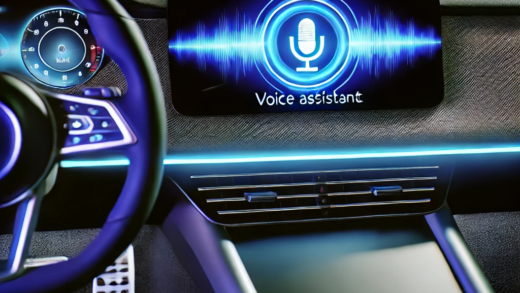
As we dive into 2024, the automotive landscape has transformed dramatically, with cars now more connected than ever. While this connectivity brings a host of exciting features, it also raises concerns about car cybersecurity. With the rise of smart technology in vehicles, ensuring that your car is protected against cyber threats is more crucial than ever. Let’s explore the essential cybersecurity features in modern cars that help safeguard your driving experience.

The Growing Need for Car Cybersecurity
In today’s world, cars are not just modes of transportation; they are sophisticated computers on wheels. They come equipped with advanced technology that enhances safety, convenience, and entertainment. However, this increased connectivity means that vehicles are now potential targets for cybercriminals. Reports of hacking incidents involving cars have raised alarms about data privacy and vehicle safety.
As a response, manufacturers are implementing robust cybersecurity measures to protect drivers and their vehicles. Understanding these car cybersecurity features can empower you as a consumer and help you make informed decisions when choosing a vehicle.
Key Cybersecurity Features in Modern Cars
Modern vehicles are equipped with a variety of cybersecurity features designed to thwart hacking attempts and protect sensitive data. One of the most crucial aspects of secure car technology is the use of encryption. Encryption ensures that any data transmitted between the car and external devices is scrambled and unreadable to unauthorized users. This means that even if a hacker intercepts the data, they won’t be able to understand or use it.
Another important feature is the implementation of secure software updates. Automakers are increasingly adopting Over-The-Air (OTA) updates, which allow them to remotely install software patches and updates to enhance security. This is essential for addressing vulnerabilities that may be discovered after the vehicle has been sold. By keeping the software up-to-date, manufacturers can help prevent unauthorized access and protect against potential cyber threats.
Many modern cars also incorporate intrusion detection systems. These systems continuously monitor the vehicle’s network for unusual activity that could indicate a hacking attempt. If suspicious behavior is detected, the system can alert the driver or take preventive measures to protect the vehicle, ensuring that it remains secure.
Anti-Hacking Systems: The New Standard
In 2024, anti-hacking car systems have become a standard feature in many vehicles. These systems are designed to provide a multi-layered defense against cyber threats. They often include firewalls that restrict unauthorized access to the vehicle’s internal network, as well as intrusion prevention systems that block harmful traffic.
Additionally, manufacturers are investing in advanced authentication methods to ensure that only authorized users can access the vehicle’s systems. This can include biometric authentication, such as fingerprint recognition, or even facial recognition technology. These features not only enhance security but also provide a more personalized experience for drivers.
The Role of User Awareness
While manufacturers play a crucial role in implementing cybersecurity features, consumers also have a responsibility to protect their vehicles. Being aware of potential risks and taking proactive measures can significantly enhance car cybersecurity. For instance, always ensure that your vehicle’s software is up to date by regularly checking for OTA updates.
Furthermore, it’s essential to use strong, unique passwords for any connected services linked to your vehicle. Avoid using easily guessable information, and consider changing your passwords regularly. Additionally, be cautious about sharing access to your vehicle with third-party apps or services. Always research and understand how these services handle your data and what permissions they require.
The Future of Car Cybersecurity
As technology continues to advance, the focus on car cybersecurity will only intensify. In 2024 and beyond, we can expect to see even more sophisticated security measures being integrated into vehicles. This may include the use of artificial intelligence to detect and respond to cyber threats in real-time, as well as increased collaboration between automakers and cybersecurity firms to develop innovative solutions.
Consumers will also become more informed and proactive about their vehicle’s cybersecurity features. As awareness of the risks associated with connected cars grows, drivers will demand greater transparency and stronger security measures from manufacturers.
Conclusion
In the rapidly evolving landscape of automotive technology, understanding car cybersecurity features is essential for every driver. The integration of secure car technology, anti-hacking systems, and continuous software updates helps protect vehicles from potential cyber threats. By staying informed and vigilant, you can ensure that your driving experience remains safe and secure in 2024. As cars continue to become smarter and more connected, prioritizing cybersecurity will be key to enjoying the benefits of modern automotive technology while safeguarding your information and safety.