

As the popularity of electric vehicles (EVs) continues to rise in 2024, automakers are increasingly focusing on the overall well-being of drivers and passengers. Beyond sustainability and environmental impact, many EVs now come equipped with a range of wellness features designed to enhance comfort, reduce stress, and improve health. In this blog, we will explore the innovative wellness features found in EVs, their health benefits, and how they contribute to a more enjoyable driving experience.
Understanding EV Wellness Features
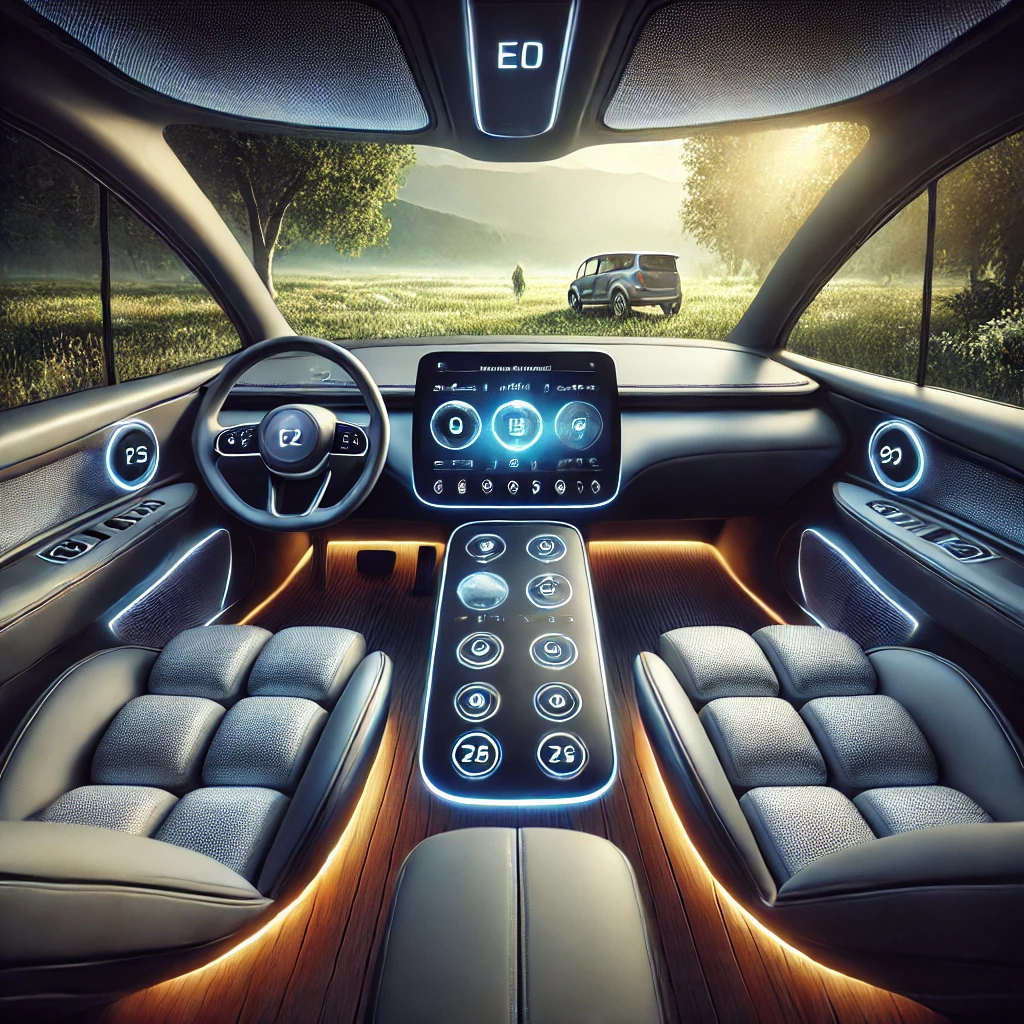
Wellness features in electric vehicles are designed to create a serene and healthy environment for drivers and passengers alike. Unlike traditional vehicles, which may emit harmful fumes and noise, EVs provide a more tranquil experience. With their quiet cabins and minimal vibrations, electric cars offer a unique space where relaxation can thrive. These vehicles are engineered not just for efficiency but also for comfort, making them an attractive option for those seeking a more enjoyable commute.
One of the standout characteristics of EV wellness features is their focus on air quality. Many electric vehicles are equipped with advanced air filtration systems that help remove pollutants and allergens from the cabin. This is particularly beneficial for those who suffer from allergies or respiratory issues, as the clean air can lead to a healthier driving experience. By promoting better air quality, EVs provide health benefits that go beyond just transportation.
The Health Benefits of Electric Cars
The health benefits of electric cars extend well beyond their eco-friendliness. In addition to cleaner air, EVs contribute to reduced noise pollution, creating a quieter driving environment. This reduction in noise can significantly lower stress levels, making your daily commute more peaceful. Research indicates that noise pollution can lead to increased levels of anxiety and stress, so the quiet EV cabins provide a soothing alternative for drivers and passengers.
Furthermore, many EVs are now incorporating features aimed at enhancing driver well-being. For example, some manufacturers offer adaptive seating with lumbar support, promoting better posture during long drives. This is essential for reducing fatigue and discomfort, particularly on lengthy trips.
Moreover, EVs are increasingly integrating wellness apps into their infotainment systems. These apps provide guided meditation, breathing exercises, and mindfulness techniques, encouraging drivers to take a moment for themselves during their journey. By fostering a sense of calm and focus, these wellness tools can help improve overall mental health, making each drive a little more rejuvenating.
Innovative Features Enhancing Wellness
Several manufacturers are leading the way in integrating wellness features into their electric vehicles. Tesla, for instance, has been at the forefront of EV technology and wellness innovation. The Model S and Model X include advanced air filtration systems capable of removing 99.97% of harmful particles from the cabin. The quiet cabin design also allows for a serene driving experience, perfect for listening to soothing music or guided meditation tracks.
Ford has also recognized the importance of wellness features in its EV lineup, particularly with the new Ford Mustang Mach-E. This electric SUV is designed with spacious interiors and comfortable seating that supports good posture. Ford has integrated a sound system that offers ambient soundscapes, allowing drivers to immerse themselves in calming audio while they drive.
Additionally, BMW has introduced wellness technology in its EV offerings, such as the BMW iX. This SUV features a holistic approach to well-being, including natural materials in the cabin that promote a healthy atmosphere. The vehicle also has a feature called “Relaxation Mode,” which adjusts the lighting and seating for optimal comfort, making it an excellent choice for stress relief during commutes.
Looking Ahead: The Future of EV Wellness
As the automotive industry continues to evolve, the focus on wellness features in electric vehicles is expected to grow. Future models may incorporate even more advanced technology, including AI-driven wellness systems that can assess driver fatigue and stress levels, suggesting breaks or wellness exercises when needed. The integration of virtual reality experiences could also be on the horizon, allowing passengers to engage in relaxing activities while on the road.
In 2024, the emphasis on wellness features in EVs reflects a broader understanding of the connection between mental and physical health and the driving experience. As more people choose electric vehicles, automakers will continue to innovate, prioritizing features that promote well-being.
Conclusion: A Healthier Drive Awaits
Electric vehicles are revolutionizing the way we think about transportation, offering not just eco-friendly options but also wellness-enhancing features that contribute to a healthier driving experience. From advanced air filtration systems to soothing soundscapes and mindfulness apps, EVs are designed to create an environment conducive to relaxation and well-being.
As you consider your next vehicle, exploring the wellness features of electric cars may help you find the perfect balance of comfort and sustainability. With the rise of EV wellness features, your daily commute can become not just a means of getting from point A to point B but a rejuvenating experience that nurtures both body and mind. Driving an electric vehicle in 2024 means embracing a future where wellness takes the front seat.


