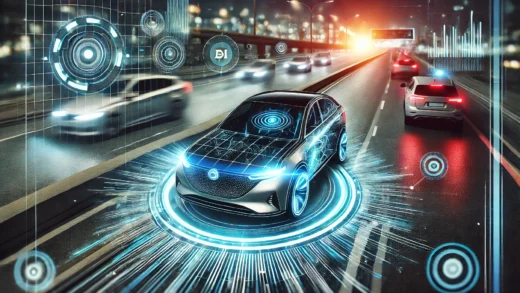
In the rapidly evolving world of automotive technology, few names stand out as prominently as Tesla. Known for pushing the boundaries of electric vehicles and autonomous driving, Tesla’s Autopilot features have captivated both enthusiasts and everyday drivers alike. As we dive into 2024, Tesla’s Autopilot capabilities are more advanced than ever, making driving not only more convenient but also safer. In this blog, we’ll explore the various features of Tesla Autopilot, how they work, and what makes them a game-changer in the realm of self-driving technology in the United States.

What is Tesla Autopilot?
Tesla Autopilot is a semi-autonomous driving system that utilizes advanced sensors, cameras, and machine learning algorithms to assist drivers in various driving scenarios. While it’s important to note that Autopilot is not fully self-driving, it offers a range of features that can handle many driving tasks, making it an invaluable tool for modern drivers. The system is designed to improve safety and reduce the burden of driving, particularly during long commutes or highway travel.
One of the main aspects of Tesla’s Autopilot is its ability to learn and adapt. Through over-the-air software updates, Tesla continuously improves the performance and capabilities of Autopilot, ensuring that drivers always have access to the latest advancements in technology.
Key Features of Tesla Autopilot in 2024
In 2024, Tesla Autopilot boasts several key features that enhance the driving experience. One of the standout capabilities is Traffic-Aware Cruise Control. This feature allows your Tesla to maintain a set speed while automatically adjusting to the flow of traffic. Whether you’re cruising down the highway or navigating through city traffic, the vehicle can slow down and speed up as needed, taking much of the stress out of driving.
Another significant feature is Autosteer, which enables the car to steer within its lane on well-marked roads. This feature works in conjunction with Traffic-Aware Cruise Control, allowing for a more relaxed driving experience, especially during long trips. Autosteer uses real-time data from Tesla’s cameras to detect lane markings and other vehicles, ensuring you stay safely centered in your lane.
Navigate on Autopilot is another exciting capability that enhances the self-driving Tesla experience. This feature allows the vehicle to autonomously change lanes, navigate interchanges, and even take exit ramps based on your destination. This means that you can enjoy a more hands-off approach to driving, while the system guides you seamlessly through various road conditions.
Enhanced Safety Features
Safety is a core focus of Tesla’s Autopilot capabilities. In 2024, the system includes several features designed to help prevent accidents. Automatic Emergency Braking can detect imminent collisions and apply the brakes if necessary, potentially avoiding or reducing the severity of an accident. Additionally, Collision Avoidance Assist helps steer the vehicle away from potential hazards, enhancing overall safety for both drivers and passengers.
Tesla’s Full Self-Driving (FSD) package takes Autopilot capabilities even further. Although still under development, FSD aims to enable fully autonomous driving in the future. For now, the features included in the FSD package, such as Traffic Light and Stop Sign Control, allow the vehicle to recognize and respond to traffic signals and stop signs, bringing us closer to the dream of a self-driving future.
The Future of Tesla Autopilot
As we look toward the future, Tesla continues to invest heavily in the development of its Autopilot features. With advancements in artificial intelligence and machine learning, the goal is to make self-driving Tesla vehicles a reality for all drivers. Ongoing improvements mean that existing Tesla owners will continue to receive software updates that enhance functionality, making their cars smarter over time.
Moreover, as regulatory frameworks evolve, we can expect more widespread adoption of autonomous driving technology across the United States. Tesla’s ongoing commitment to safety and innovation positions it at the forefront of this movement, providing drivers with confidence in the capabilities of their vehicles.
Conclusion: Embracing the Autopilot Experience
Tesla Autopilot features represent a significant leap forward in automotive technology. With a range of capabilities designed to enhance safety, reduce driver fatigue, and improve the overall driving experience, it’s no wonder that many drivers are eager to embrace this innovative system.
In 2024, as Tesla continues to refine and expand its Autopilot features, the prospect of self-driving vehicles becomes more tangible. Whether you’re commuting to work or embarking on a road trip, Tesla’s Autopilot technology offers a glimpse into the future of driving—where safety, convenience, and autonomy converge for a truly remarkable experience on the road.