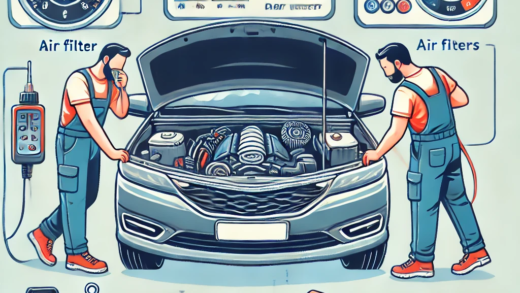
Buying a car is a significant investment, and it’s natural to expect that the vehicle you purchase will be in good working condition. However, sometimes buyers unknowingly end up with a car that has hidden problems. In this blog, we’ll discuss what steps you can take if you find yourself in this situation in the US, helping you navigate the process of dealing with hidden car issues effectively.

Assessing the Situation
Discovering hidden problems with a newly purchased car can be frustrating and stressful. However, it’s essential to remain calm and assess the situation objectively.
Identify the Issues: Start by identifying the specific problems with the car. These may include mechanical issues, electrical problems, structural damage, or other defects that were not disclosed at the time of purchase.
Review the Purchase Agreement: Refer to the purchase agreement or contract you signed when buying the car. Pay close attention to any warranty provisions, as well as clauses related to vehicle condition and seller disclosures.
Gather Evidence: Document the issues with the car by taking photographs or videos. Keep any relevant paperwork, such as inspection reports or repair estimates, as evidence of the problems you’ve encountered.
Options for Resolution
Once you’ve identified the hidden problems with your car, you’ll need to consider your options for resolving the situation.
Contact the Seller: Reach out to the seller or dealership where you purchased the car to inform them of the issues you’ve discovered. Provide them with clear details about the problems and request a resolution.
Seek Repairs: Depending on the nature and severity of the issues, you may choose to have the car repaired. If the problems are covered by a warranty or service contract, you may be able to have the repairs done at no cost to you.
File a Complaint: If the seller is unwilling to address the issues or if you believe they engaged in deceptive practices, you may file a complaint with the appropriate authorities. This could include agencies such as the Better Business Bureau (BBB) or your state’s attorney general’s office.
Consider Legal Action: In some cases, you may need to take legal action against the seller to seek compensation for the problems with the car. Consult with a qualified attorney who specializes in consumer protection or automotive law to explore your legal options.
Preventative Measures
While dealing with hidden problems in a newly purchased car can be challenging, there are steps you can take to minimize the risk of encountering similar issues in the future.
Research the Seller: Before purchasing a car, research the seller or dealership to ensure they have a good reputation. Look for reviews from other customers and check their rating with the Better Business Bureau (BBB) or similar organizations.
Get a Pre-Purchase Inspection: Consider having a pre-purchase inspection conducted by a qualified mechanic before buying a used car. This can help uncover any hidden problems and provide peace of mind about the vehicle’s condition.
Ask for Disclosures: When buying a car, ask the seller to disclose any known issues or defects with the vehicle. This can help prevent surprises after the purchase and give you the opportunity to assess whether the car meets your needs and expectations.
Discovering hidden problems with a newly purchased car can be a frustrating experience, but it’s important to take action to address the issues effectively. By assessing the situation, considering your options for resolution, and taking preventative measures in the future, you can navigate the process of dealing with hidden car problems with confidence and resolve the situation satisfactorily.