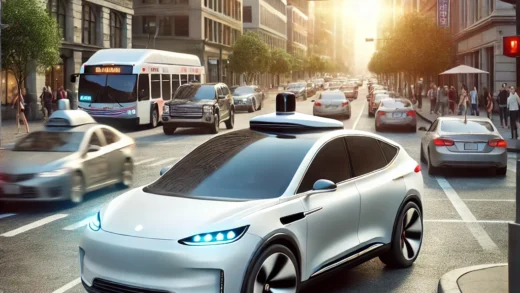
As the world increasingly shifts towards sustainable energy sources, the automotive industry is undergoing a transformation driven by the intersection of connected vehicles and renewable energy. This convergence presents exciting opportunities to reduce carbon emissions, enhance energy efficiency, and create a more sustainable transportation ecosystem. In this blog, we will explore how connected vehicles and renewable energy are coming together to shape the future of mobility in the United States.

Harnessing Solar Power: Solar-Powered Electric Vehicles
One of the most prominent intersections of connected vehicles and renewable energy is the emergence of solar-powered electric vehicles (EVs). Solar panels integrated into the body of electric vehicles can harness sunlight to generate electricity, supplementing the vehicle’s onboard battery and extending its range. This innovative technology not only reduces dependence on grid electricity but also enables EVs to charge while parked or in motion, making them more versatile and sustainable transportation options.
Vehicle-to-Grid (V2G) Integration: Balancing Energy Demand and Supply
Connected vehicles equipped with vehicle-to-grid (V2G) technology have the ability to interact with the electrical grid, allowing them to both consume and supply electricity. During periods of low energy demand, such as overnight or during off-peak hours, connected vehicles can serve as distributed energy resources by feeding surplus energy back into the grid. Conversely, during peak demand periods, vehicles can draw electricity from the grid or their onboard batteries to help balance supply and demand, thereby reducing strain on the grid and optimizing energy utilization.
Smart Charging Infrastructure: Optimization Through Connectivity
Connected vehicles enable the development of smart charging infrastructure that leverages data analytics and real-time communication to optimize charging processes. By integrating with renewable energy sources such as solar panels and wind turbines, smart charging systems can schedule charging sessions during times of peak renewable energy production, maximizing the use of clean energy and minimizing reliance on fossil fuels. Additionally, connected vehicles can communicate with charging stations to adjust charging rates based on grid conditions, energy prices, and user preferences, further enhancing energy efficiency and cost savings.
Energy Management and Efficiency: Data-Driven Insights
Connected vehicles generate vast amounts of data about energy usage, driving patterns, and vehicle performance, which can be leveraged to improve energy management and efficiency. Through telematics systems and cloud-based platforms, vehicle manufacturers and energy providers can access real-time insights into energy consumption, optimize route planning, and recommend eco-friendly driving behaviors to maximize energy efficiency. This data-driven approach not only benefits individual vehicle owners but also contributes to the broader goal of reducing energy consumption and carbon emissions in the transportation sector.
Collaboration and Innovation: Driving Sustainable Solutions
The intersection of connected vehicles and renewable energy requires collaboration and innovation across multiple sectors, including automotive, energy, and technology. Partnerships between automakers, energy companies, and infrastructure providers are essential to develop integrated solutions that leverage the capabilities of connected vehicles and renewable energy sources. Government support and incentives play a crucial role in accelerating the adoption of these technologies and driving investment in sustainable transportation infrastructure.
The intersection of connected vehicles and renewable energy holds immense potential to transform the transportation sector and create a more sustainable future. By harnessing solar power, integrating vehicle-to-grid technology, developing smart charging infrastructure, and leveraging data-driven insights, connected vehicles are driving innovation and paving the way towards a cleaner, more efficient transportation ecosystem. Through collaboration, innovation, and a shared commitment to sustainability, we can harness the power of connected vehicles and renewable energy to drive positive change and shape the future of mobility in the United States and beyond.