In the race towards electrification and renewable energy, the demand for batteries, particularly those powering electric vehicles (EVs) and renewable energy storage systems, has surged. However, this surge in demand has reignited a longstanding conflict over the extraction and supply of rare earth materials essential for battery production. Let’s explore this conflict and its implications within the context of the United States.

Understanding Rare Earth Materials:
Rare earth materials, a group of 17 elements with unique magnetic, luminescent, and catalytic properties, play a critical role in the manufacturing of high-performance batteries. These materials, including neodymium, lanthanum, and dysprosium, are integral components of permanent magnets and battery cathodes, contributing to the efficiency and performance of electric vehicles and renewable energy systems.
The Supply Chain Challenge:
The extraction and processing of rare earth materials present significant environmental and geopolitical challenges. Historically, China has dominated the global rare earth market, accounting for a substantial portion of production and refining capacity. This dominance has raised concerns about supply chain vulnerabilities and dependence on a single source for critical materials essential to advanced technologies.
Geopolitical Tensions and National Security:
The concentration of rare earth production in China has fueled apprehensions about potential disruptions to the global supply chain, particularly amid escalating geopolitical tensions. In response, countries such as the United States have sought to diversify their rare earth sources and bolster domestic production capabilities to reduce reliance on foreign imports and safeguard national security interests.
Environmental and Social Impacts:
The extraction and processing of rare earth materials often entail significant environmental and social impacts, including habitat destruction, water pollution, and human rights violations. Moreover, the disposal of toxic byproducts from rare earth mining and processing poses risks to local ecosystems and communities, exacerbating environmental degradation and health concerns.
Balancing Environmental Concerns with Economic Imperatives:
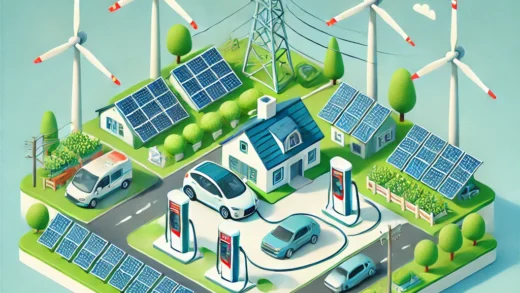
Addressing the conflict over rare earth materials necessitates striking a delicate balance between environmental conservation and economic imperatives. While the transition to renewable energy and electrified transportation offers substantial environmental benefits, the environmental footprint associated with rare earth mining and processing underscores the importance of adopting sustainable practices and mitigating adverse impacts.
Investing in Domestic Production and Innovation:
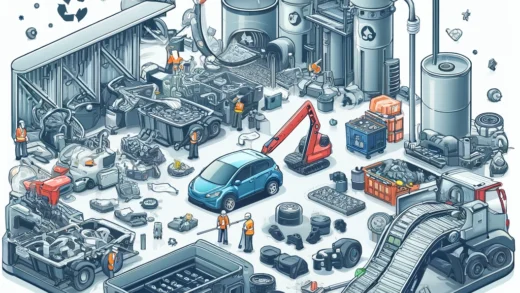
To reduce dependence on foreign imports and mitigate supply chain vulnerabilities, the United States has ramped up efforts to revive domestic rare earth production and stimulate innovation in battery technology. Initiatives such as the Department of Energy’s Critical Materials Institute and federal funding for research and development aim to accelerate the development of alternative materials and recycling technologies, thereby enhancing resource efficiency and resilience.
Promoting Responsible Sourcing Practices:
In addition to bolstering domestic production, promoting responsible sourcing practices is crucial for addressing the social and environmental challenges associated with rare earth mining. Transparency, traceability, and accountability throughout the supply chain are essential to ensure ethical sourcing and minimize negative impacts on local communities and ecosystems.
Collaboration and International Cooperation:
The conflict over rare earth materials underscores the importance of international collaboration and cooperation in addressing shared challenges and advancing sustainable solutions. By fostering partnerships with allies and stakeholders, countries can collectively work towards diversifying supply chains, promoting responsible resource management, and advancing clean energy technologies on a global scale.
As the demand for batteries and renewable energy continues to rise, navigating the conflict over rare earth materials remains a complex and multifaceted challenge. By embracing innovation, sustainability, and collaboration, the United States and the global community can overcome these challenges and build a more resilient and sustainable future powered by clean energy technologies.