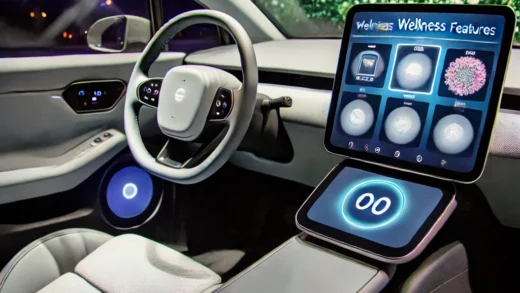
The rapid growth of the electric vehicle (EV) market has led to a surge in innovation and competition among automakers and technology companies. However, this surge has also sparked legal battles over electric vehicle patents, as companies seek to protect their intellectual property and gain a competitive edge in the burgeoning EV industry. Let’s delve into the legal landscape surrounding electric vehicle patents in the United States.

The Patent Landscape of Electric Vehicles:
Electric vehicles represent a convergence of automotive and technology sectors, incorporating complex systems and components such as batteries, electric motors, charging infrastructure, and autonomous driving technologies. As a result, patents related to electric vehicles cover a wide range of technologies and innovations, including battery chemistry, power electronics, vehicle design, and connectivity features.
Patent Wars and Litigation:
The competitive nature of the electric vehicle market has led to a series of patent disputes and litigation among industry players. Companies may file lawsuits alleging patent infringement or engage in licensing negotiations to gain access to essential technologies. High-profile legal battles, such as those between Tesla, Nikola, and Rivian, highlight the intensity of competition and the strategic importance of intellectual property rights in the EV sector.
Key Players and Patent Portfolios:
Major automakers and technology companies have invested heavily in building robust patent portfolios to protect their innovations and establish market dominance in the electric vehicle space. Tesla, known for its pioneering efforts in electric vehicles, holds a significant number of patents related to battery technology, electric drivetrains, and autonomous driving systems. Other key players, including traditional automakers and tech giants like Google and Apple, are also actively patenting EV-related technologies to stake their claim in the market.
Standard Essential Patents (SEPs):
Standard essential patents (SEPs) play a critical role in the electric vehicle ecosystem, particularly in the realm of charging infrastructure and communication protocols. SEPs are patents that cover technologies essential to implementing industry standards, such as charging connectors or communication protocols for vehicle-to-grid (V2G) communication. Companies that own SEPs may be required to license their patents on fair, reasonable, and non-discriminatory (FRAND) terms to ensure widespread adoption and interoperability of EV technologies.
Regulatory and Policy Considerations:
The intersection of electric vehicle patents and regulatory frameworks presents unique challenges and opportunities for policymakers and industry stakeholders. Regulatory agencies, such as the United States Patent and Trademark Office (USPTO) and the International Trade Commission (ITC), play a crucial role in adjudicating patent disputes, enforcing intellectual property rights, and promoting innovation in the EV sector. Additionally, policymakers may explore strategies to balance the need for innovation with the goal of fostering competition and consumer choice in the electric vehicle market.
Licensing and Collaboration:
In some cases, companies may choose to collaborate and cross-license their patent portfolios to accelerate innovation and promote industry standards. Cross-licensing agreements allow companies to access each other’s technologies while avoiding costly litigation and fostering interoperability. Collaborative efforts, such as industry consortia or joint research initiatives, can also facilitate knowledge sharing and technology development in the electric vehicle ecosystem.
The Role of Open Innovation:
In the pursuit of advancing electric vehicle technology, some companies embrace principles of open innovation, which involve sharing knowledge, resources, and intellectual property with external partners and stakeholders. Open innovation models, such as open-source software platforms or collaborative research projects, enable rapid iteration, co-creation, and knowledge exchange, ultimately driving innovation and accelerating the transition to sustainable transportation solutions.
As the electric vehicle market continues to evolve, legal battles over patents are likely to persist as companies vie for market share and technological leadership. However, amid the legal disputes and competition, collaboration, licensing agreements, and open innovation models offer avenues for advancing electric vehicle technology and achieving broader societal goals of sustainability and mobility. By navigating the complex legal landscape of electric vehicle patents with foresight and strategic collaboration, stakeholders can unlock the full potential of electric vehicles to drive positive change in the automotive industry and beyond.