The Indian auto components industry is making headlines for all the right reasons. With robust growth in recent years, it has emerged as a critical pillar of the country’s automotive ecosystem. Driven by increasing demand for vehicles, electrification trends, and global export opportunities, the sector has been growing rapidly, creating a significant impact on the economy.
From supplying parts to domestic automakers to exporting high-quality components worldwide, the industry is proving that it’s not just keeping pace with global trends but setting benchmarks in innovation and reliability.
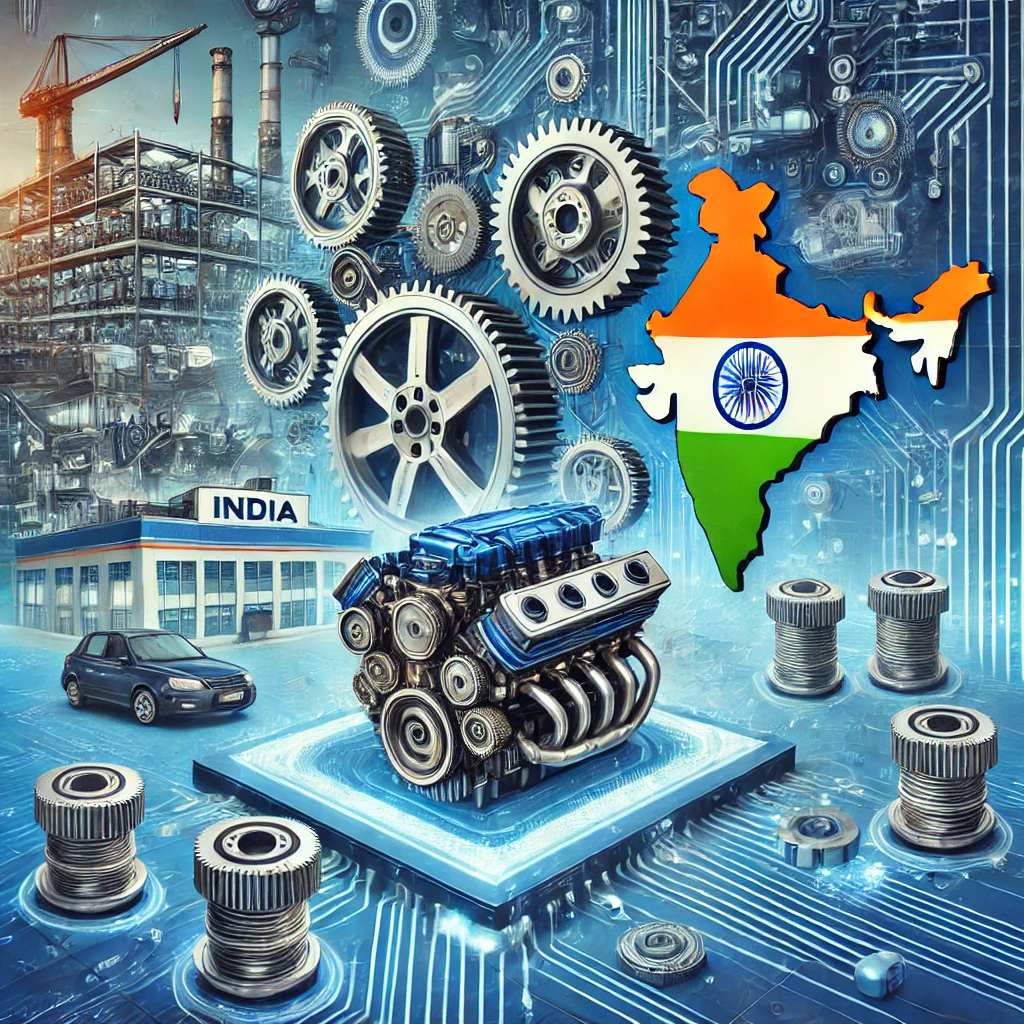
A Booming Sector in the Heart of India’s Automotive Industry
India’s auto components industry has firmly established itself as a global manufacturing hub. With an increasing number of international automakers choosing India for sourcing components, the sector has seen impressive growth in production, revenues, and exports. The country’s cost-effective labor, advanced manufacturing capabilities, and adherence to international quality standards have all played a significant role in this growth.
The growth of India’s domestic automobile market has also provided a strong foundation for the industry’s success. With rising demand for passenger cars, commercial vehicles, and two-wheelers, the need for high-quality components has never been greater. Whether it’s engines, transmissions, or advanced electronics, Indian manufacturers are stepping up to meet this demand with innovative solutions.
The Shift Towards Electrification
One of the key drivers of growth in the Indian auto components industry is the shift towards electric mobility. As the world moves towards greener transportation solutions, Indian manufacturers are actively investing in the production of electric vehicle (EV) components. From batteries and charging infrastructure to motors and controllers, the industry is quickly adapting to cater to the needs of EVs.
Government policies such as the FAME (Faster Adoption and Manufacturing of Hybrid and Electric Vehicles) scheme have further accelerated this transition. By offering subsidies and incentives, the government has encouraged both automakers and component manufacturers to embrace electrification, positioning India as a competitive player in the global EV market.
With the EV segment expected to grow exponentially in the coming years, the auto components industry is likely to see a sustained rise in demand for specialized parts and technologies.
A Growing Export Hub
India’s auto components industry isn’t just about meeting domestic needs—it’s also making a mark on the global stage. With exports to over 160 countries, Indian manufacturers have earned a reputation for delivering high-quality, cost-competitive products. Key markets include Europe, North America, and Asia, where Indian components are used by some of the world’s leading automakers.
The ability to produce components at scale while maintaining international standards has made India a preferred sourcing destination for global players. From precision-engineered parts to high-tech electronics, Indian companies are catering to diverse needs and building strong international partnerships.
This growing export potential has also attracted foreign direct investment (FDI) into the sector, further boosting its capacity and capabilities. With continued investments in R&D and technology, India is poised to become a key global player in the auto components industry.
Embracing Advanced Technologies
The rise of connected and autonomous vehicles is reshaping the global automotive landscape, and the Indian auto components industry is keeping pace with these changes. Manufacturers are investing in advanced technologies such as artificial intelligence, Internet of Things (IoT), and big data to produce smarter, more efficient components.
For instance, the demand for sensors, cameras, and advanced driver-assistance systems (ADAS) is growing rapidly as automakers aim to enhance vehicle safety and automation. Indian manufacturers are leveraging their engineering expertise to design and produce these high-tech components, positioning themselves as vital contributors to the future of mobility.
Additionally, many companies are embracing Industry 4.0 practices, such as smart factories and automated production lines, to enhance efficiency and reduce production costs. These technological advancements are not only improving product quality but also making Indian components more competitive on a global scale.
Supporting Employment and Economic Growth
The auto components industry is a significant contributor to India’s economy, supporting millions of jobs across the country. From manufacturing and logistics to research and development, the sector provides employment opportunities in a wide range of fields. This makes it a vital part of India’s industrial landscape and a key driver of economic growth.
As the industry continues to grow, it also supports the development of ancillary industries, such as steel, aluminum, and plastics. This ripple effect further strengthens the economy and creates additional opportunities for businesses and workers alike.
A Bright Future Ahead
The future of the Indian auto components industry looks incredibly promising. With increasing demand for vehicles, advancements in electric mobility, and the rise of smart technologies, the sector is well-positioned for sustained growth. Government initiatives and favorable policies are further enhancing its competitiveness and ensuring its relevance in a rapidly changing global market.
For automakers and consumers, the success of the auto components industry translates to better products, more innovation, and a greater variety of choices. For India, it means increased economic activity, job creation, and a stronger position in the global automotive landscape.
The Indian auto components industry isn’t just meeting the challenges of today—it’s preparing for the opportunities of tomorrow. With a focus on innovation, quality, and sustainability, it’s driving the nation toward a brighter and more prosperous future.