

Electric vehicles (EVs) are taking over the roads, but they’re also finding a place on racetracks across the US and Europe. With their instant torque, smooth power delivery, and cutting-edge technology, EVs are becoming a favorite for track enthusiasts looking to push boundaries.
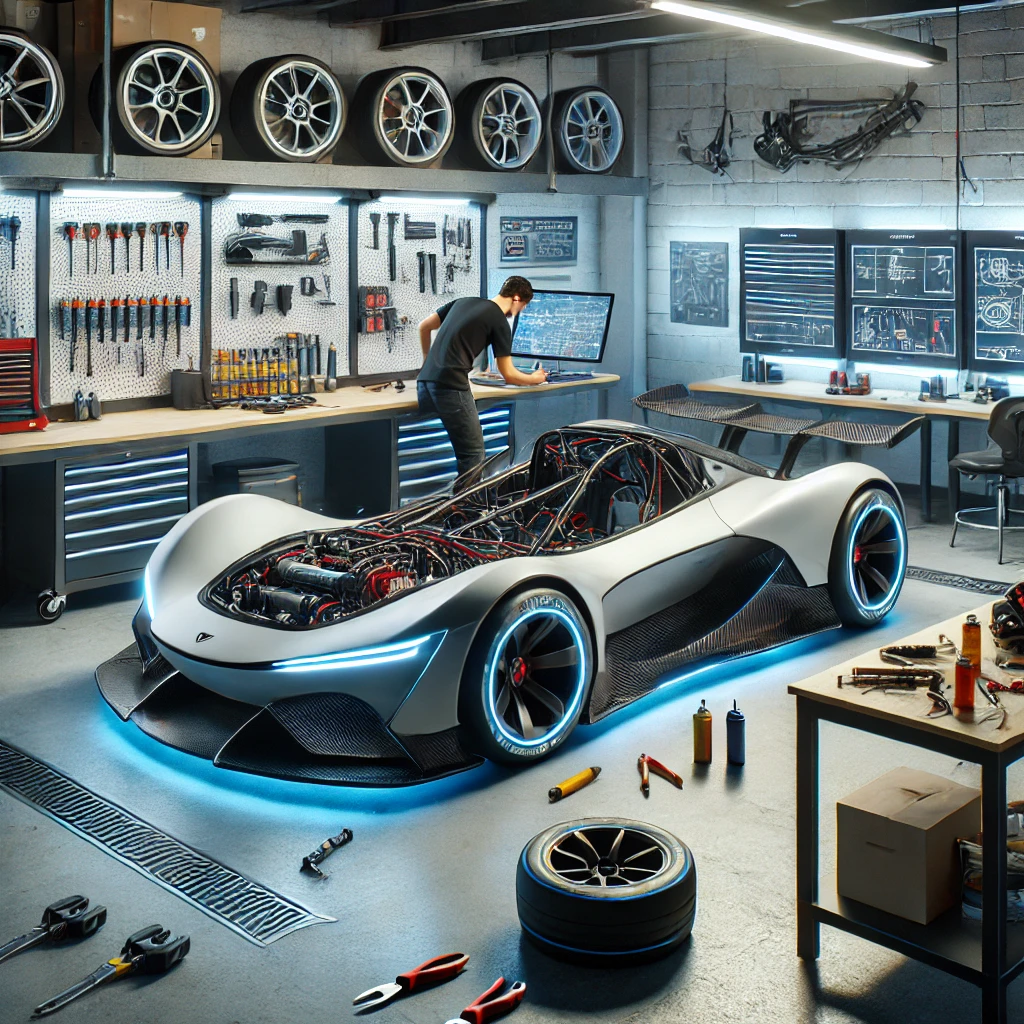
If you’re an EV owner or a DIY enthusiast with a passion for speed, building a track-ready EV at home is an exciting project. While it requires planning, research, and a bit of mechanical know-how, creating a high-performance electric track car is a rewarding way to experience the future of motorsports.
Choosing the Right EV Platform
The first step in building a track-ready EV is selecting the right vehicle as your starting point. Some EVs are better suited for the track due to their powertrain, weight distribution, and aftermarket support. Popular choices like the Tesla Model 3 Performance, Chevrolet Bolt, or even the Nissan Leaf provide solid platforms to build on, with the Tesla offering the most robust performance base.
When choosing your EV, consider your goals. Are you looking for outright speed, precision handling, or a balance of both? Knowing this will help guide your modifications and ensure the car meets your expectations on the track.
Upgrading the Suspension
While most EVs are designed for comfort and efficiency, the demands of the track require a more aggressive setup. Upgrading the suspension system is a key step in making your EV track-ready.
Lowering springs or coilovers can help reduce body roll and improve cornering performance. Adjustable suspension systems allow you to fine-tune the setup for specific tracks, giving you greater control over handling and stability. Pair this with performance bushings and sway bars for a more planted and responsive feel.
Focusing on Tires and Brakes
No matter how much power your EV produces, it’s the tires and brakes that translate it into performance on the track. Switching to high-performance tires designed for racing or spirited driving can dramatically improve grip, helping you take corners faster and with greater confidence.
Brakes are equally critical. The added weight of EVs due to their batteries puts extra strain on braking systems during high-speed runs. Upgrading to larger, ventilated rotors and performance brake pads will improve stopping power and reduce the risk of overheating during extended sessions.
Managing Heat and Battery Performance
EVs excel in short bursts of speed, but extended track use can push their batteries and motors to their limits. Heat management is a crucial consideration for keeping your EV running at peak performance.
Installing upgraded cooling systems, such as enhanced radiators for the battery and inverter, can help regulate temperatures during intense driving. Some enthusiasts even add additional cooling fans or optimize airflow to critical components. Monitoring software is also invaluable, allowing you to track battery temperatures and performance metrics in real-time.
Weight Reduction and Aerodynamics
Track performance often comes down to power-to-weight ratio, and shedding unnecessary weight is a straightforward way to improve your EV’s capabilities. Removing non-essential components, like rear seats or heavy trim pieces, can lighten the vehicle and boost acceleration and handling.
Adding aerodynamic enhancements, such as splitters, diffusers, and spoilers, can also make a significant difference. These modifications improve downforce and stability, allowing your EV to corner more confidently at high speeds.
Software Upgrades and Tuning
One of the unique advantages of EVs is the ability to optimize performance through software. Many modern EVs come with tunable systems that allow you to adjust parameters like torque output, regenerative braking, and throttle response.
Some manufacturers offer performance upgrades through official software packages, while aftermarket companies specialize in unlocking additional power and customizing settings. Be sure to research these options carefully, as tuning your EV can impact warranty coverage or system compatibility.
Safety First
Track driving pushes your vehicle to its limits, so safety should always be a top priority. Installing a roll cage, racing harnesses, and fire suppression systems adds an extra layer of protection.
Ensure that your car meets the safety requirements of the track or racing organization where you plan to drive. Regular inspections and maintenance checks are essential to keep your EV running safely at high speeds.
Taking Your EV to the Track
Once your EV is ready, it’s time to hit the track. Start with practice sessions or track days, where you can get a feel for the car’s handling and performance in a controlled environment. Gradually build your skills and confidence, experimenting with different settings and techniques to maximize your EV’s potential.
Track-ready EVs are not just about speed—they’re about precision, innovation, and the thrill of pushing boundaries. With the right upgrades and a commitment to learning, you can experience the excitement of electric motorsport while enjoying the satisfaction of a DIY project brought to life.
Conclusion
Building a track-ready EV at home is an exciting opportunity to combine cutting-edge technology with the timeless thrill of motorsport. From selecting the perfect platform to fine-tuning every detail, the process offers endless possibilities for creativity and customization.
As EV technology continues to evolve, enthusiasts in the US and Europe are proving that electric cars are more than just efficient commuters—they’re performance machines capable of dominating the track. So, whether you’re chasing lap times or simply exploring what your EV can do, there’s never been a better time to embrace the future of high-speed fun.


