Electric vehicles (EVs) are revolutionizing transportation in the US and Europe, with more drivers choosing EVs for their environmental and cost-saving benefits. However, one critical factor for EV ownership is having access to convenient charging. For many, installing a home EV charger is the ideal solution, offering the convenience of charging overnight and saving trips to public charging stations.
While the benefits of a home EV charger are clear, the installation process comes with its share of challenges. From technical considerations to regulatory hurdles, there’s more to setting up a home charging station than meets the eye. Understanding these challenges can help drivers prepare and find the right solutions.
Electrical Infrastructure Limitations
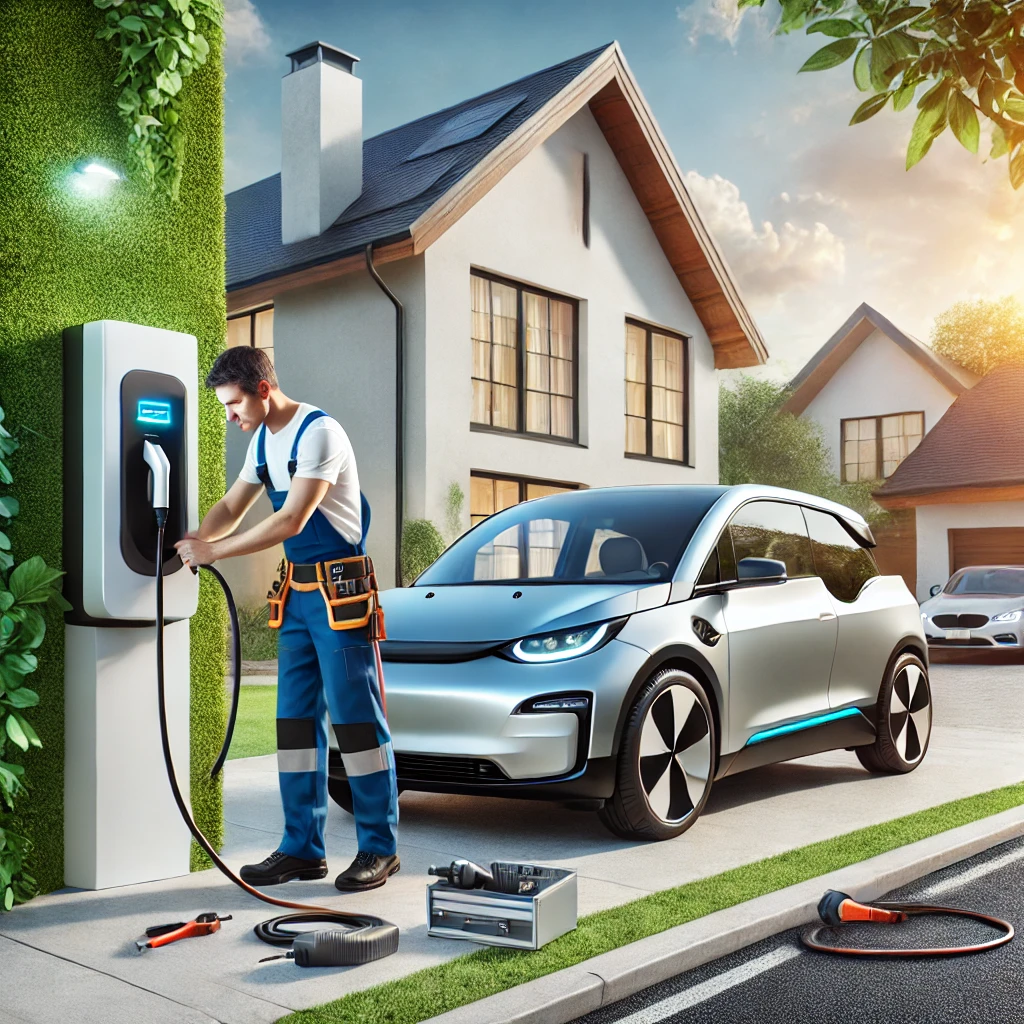
One of the most common challenges when installing a home EV charger is assessing the capacity of your existing electrical infrastructure. Most home chargers require a dedicated circuit with sufficient amperage to handle the power demand. Older homes, especially in parts of the US and Europe with aging electrical systems, may not have the capacity to support a high-powered EV charger without upgrades.
In some cases, upgrading the electrical panel or wiring may be necessary to accommodate the charger. While these upgrades improve the safety and reliability of your home’s electrical system, they can add to the cost and complexity of the installation process. Working with a licensed electrician is essential to ensure that your home’s electrical infrastructure meets the requirements for EV charging.
Permits and Local Regulations
In both the US and Europe, installing a home EV charger often requires compliance with local building codes and regulations. This typically involves obtaining permits and scheduling inspections to ensure the installation meets safety standards. While these steps are in place to protect homeowners, navigating the permitting process can be time-consuming and confusing for first-time EV owners.
Local regulations also vary widely depending on your location. Some regions may have specific requirements for charger placement, wiring, or integration with renewable energy systems like solar panels. Understanding and adhering to these rules is crucial to avoid delays and ensure a smooth installation.
Space Constraints
Space is another significant consideration when installing a home EV charger. For those with a dedicated garage or driveway, finding a suitable location for the charger is relatively straightforward. However, apartment dwellers and residents in densely populated areas face unique challenges.
In Europe, where many urban homes lack private parking spaces, finding a solution for home charging can be particularly challenging. While some apartment complexes and housing associations are starting to install shared charging stations, availability and access may be limited. In these cases, working with property managers or local authorities to explore options for shared or on-street charging is often the best approach.
Costs and Incentives
The cost of installing a home EV charger can vary significantly based on factors like the type of charger, required electrical upgrades, and labor costs. Level 1 chargers, which plug into a standard outlet, are more affordable but slower. Level 2 chargers, which offer faster charging, require professional installation and are typically more expensive.
In the US and Europe, governments and utility companies often provide incentives to offset these costs. These can include tax credits, rebates, or reduced electricity rates for EV owners. While these programs make home charging more affordable, researching and applying for incentives can be an additional step in the process.
Internet Connectivity and Smart Features
Many modern EV chargers come with smart features that allow users to monitor and control charging through a smartphone app. These chargers often require a stable Wi-Fi connection for functionality, which can be a challenge in areas with weak or unreliable internet service. Ensuring your home network is capable of supporting the charger’s connectivity features is an important part of the installation process.
Additionally, setting up smart charging systems may require some technical know-how. For tech-savvy EV owners, this can be an exciting feature, but for others, it may feel like an unnecessary complication. Choosing a charger with user-friendly features and reliable customer support can help make the experience smoother.
Solutions and Best Practices
Despite these challenges, installing a home EV charger is a worthwhile investment that enhances the convenience and efficiency of EV ownership. Working with professionals who specialize in EV charger installations is the best way to ensure a smooth process. They can assess your home’s electrical system, guide you through the permitting process, and recommend chargers that meet your needs and budget.
Taking advantage of government incentives and rebates can significantly reduce costs, so it’s worth spending time researching available programs in your area. Planning ahead and choosing a charger with smart features and future compatibility can also make your investment more valuable in the long run.
Embracing the Future of EV Charging
As EV adoption grows in the US and Europe, the demand for home charging solutions will only increase. While challenges like electrical upgrades, permitting, and space constraints may seem daunting, they are manageable with the right preparation and support.
By addressing these challenges and embracing the benefits of home charging, EV owners can enjoy the convenience of powering their vehicles at home and contributing to a cleaner, more sustainable future. Home EV chargers are more than just a convenience—they’re a step toward making electric mobility accessible and practical for everyone.