

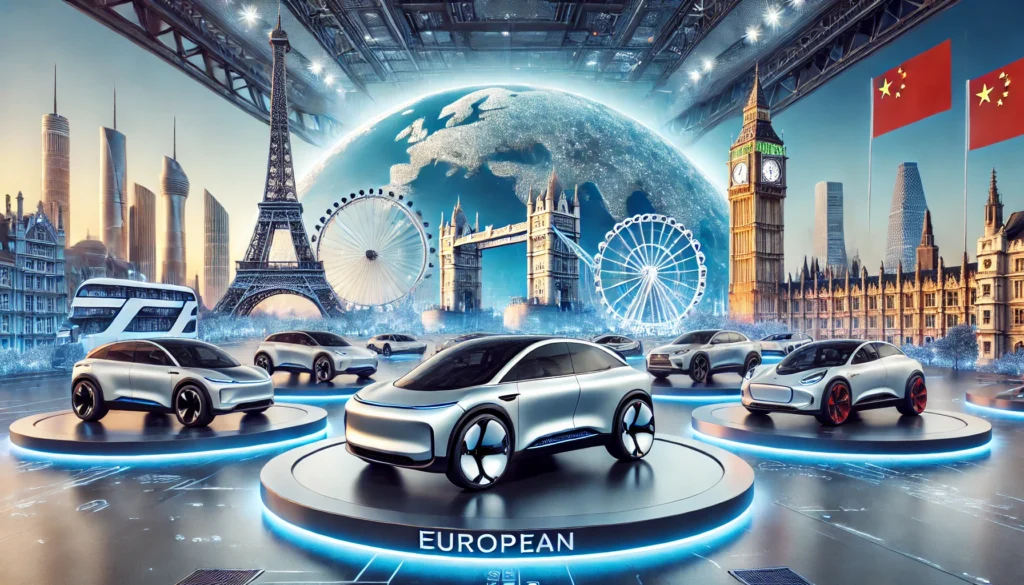
The European automotive market is witnessing a significant shift as Chinese automakers make their way onto the scene with bold ambitions and innovative strategies. Known for their rapid growth and technological advancements, these manufacturers are challenging the status quo, bringing a fresh wave of competition to Europe’s established automotive giants.
For decades, European roads have been dominated by brands with deep-rooted histories and strong consumer loyalty. But now, with a focus on electric vehicles (EVs), affordability, and unique features, Chinese automakers are finding a way to make their mark. This development is reshaping the landscape of the European auto market, benefiting consumers with greater choices and more competitive pricing.
Why Europe Is the Target
Europe is one of the largest and most competitive automotive markets in the world, making it an attractive destination for Chinese automakers. The region’s strong push toward electric mobility, coupled with government incentives for zero-emission vehicles, aligns perfectly with the strengths of Chinese manufacturers. Many of these companies have already established themselves as leaders in EV production, giving them an edge in a market rapidly transitioning to greener technologies.
Another factor is Europe’s evolving consumer preferences. Buyers are increasingly open to new brands that offer a combination of affordability, advanced technology, and sustainable solutions. Chinese automakers are capitalizing on this shift by offering EVs that are not only budget-friendly but also equipped with cutting-edge features like advanced driver-assistance systems and smart connectivity.
Leveraging Electric Mobility
Chinese automakers are leveraging their expertise in electric mobility to gain a foothold in Europe. Companies like BYD, NIO, and XPeng are rolling out EVs designed to meet Europe’s strict emissions regulations while delivering the performance and range that consumers demand. These brands have invested heavily in battery technology, making them highly competitive in the EV space.
The advantage of scale also plays a role. Chinese manufacturers benefit from the world’s largest EV market at home, giving them the production capacity and experience needed to enter a market as demanding as Europe. Their ability to produce high-quality vehicles at competitive prices is proving to be a strong selling point for budget-conscious European consumers looking to make the switch to electric.
A Focus on Affordability
One of the standout features of Chinese automakers’ strategy is their focus on affordability. While premium EV brands dominate much of the European market, Chinese companies are introducing models that cater to a broader audience. These vehicles are often priced more competitively than their European counterparts, making EV ownership more accessible to middle-income consumers.
Affordable pricing doesn’t mean cutting corners on quality or features. Many Chinese EVs come equipped with modern designs, innovative technology, and a range of safety features. For European buyers, this combination of value and quality is an appealing proposition, particularly in markets where cost remains a significant barrier to EV adoption.
Overcoming Challenges
Despite their strengths, Chinese automakers face several challenges as they enter Europe. One of the biggest hurdles is brand recognition. While European consumers are familiar with local and established global brands, Chinese names like Great Wall Motors or Aiways are relatively unknown. Building trust and establishing a strong brand presence will take time and significant marketing efforts.
Another challenge is the high level of competition. Europe is home to some of the most iconic automakers, all of whom are rapidly expanding their EV portfolios. To succeed, Chinese automakers must not only match their competitors in terms of performance and technology but also differentiate themselves through unique offerings and exceptional customer service.
Logistics and regulatory hurdles also play a role. Navigating Europe’s complex import regulations, safety standards, and emissions requirements demands careful planning and investment. However, many Chinese automakers are addressing these challenges by establishing local partnerships, setting up assembly plants, and tailoring their vehicles to meet European standards.
The Impact on the European Market
The entry of Chinese automakers is shaking up the European auto market in ways that benefit consumers. Increased competition is driving innovation and pushing established brands to step up their game. This means more choices, better features, and competitive pricing for buyers across the region.
Chinese automakers are also contributing to the growth of the EV infrastructure in Europe. Many of these companies are not just selling cars but also investing in charging networks and energy solutions, further supporting the shift toward sustainable transportation.
What Lies Ahead
The journey for Chinese automakers in Europe is just beginning, but the signs are promising. With their expertise in EV technology, cost-efficient production, and commitment to innovation, they are well-positioned to carve out a significant share of the market. For European consumers, this means more accessible and diverse options for embracing the future of mobility.
As these new players continue to establish themselves, the dynamics of the European automotive industry will continue to evolve. What remains clear is that the competition will ultimately drive progress, delivering better vehicles and a more sustainable future for all. The arrival of Chinese automakers is more than just a new chapter for Europe—it’s a sign of the global automotive industry’s exciting and transformative times.


