Electric vehicles (EVs) are transforming the way we think about transportation, offering a cleaner and more efficient alternative to traditional internal combustion engine cars. While much of the spotlight has been on battery technology and charging infrastructure, there’s another unsung hero quietly contributing to EV performance and energy efficiency: the heat pump system. In the US and Europe, where temperatures can swing from freezing winters to sweltering summers, heat pumps are becoming a key feature in electric vehicles.
Heat pump systems are revolutionizing thermal management in EVs, enhancing comfort and efficiency in all weather conditions. By understanding how these systems work and their benefits, it’s clear why they’re gaining traction among automakers and drivers alike.
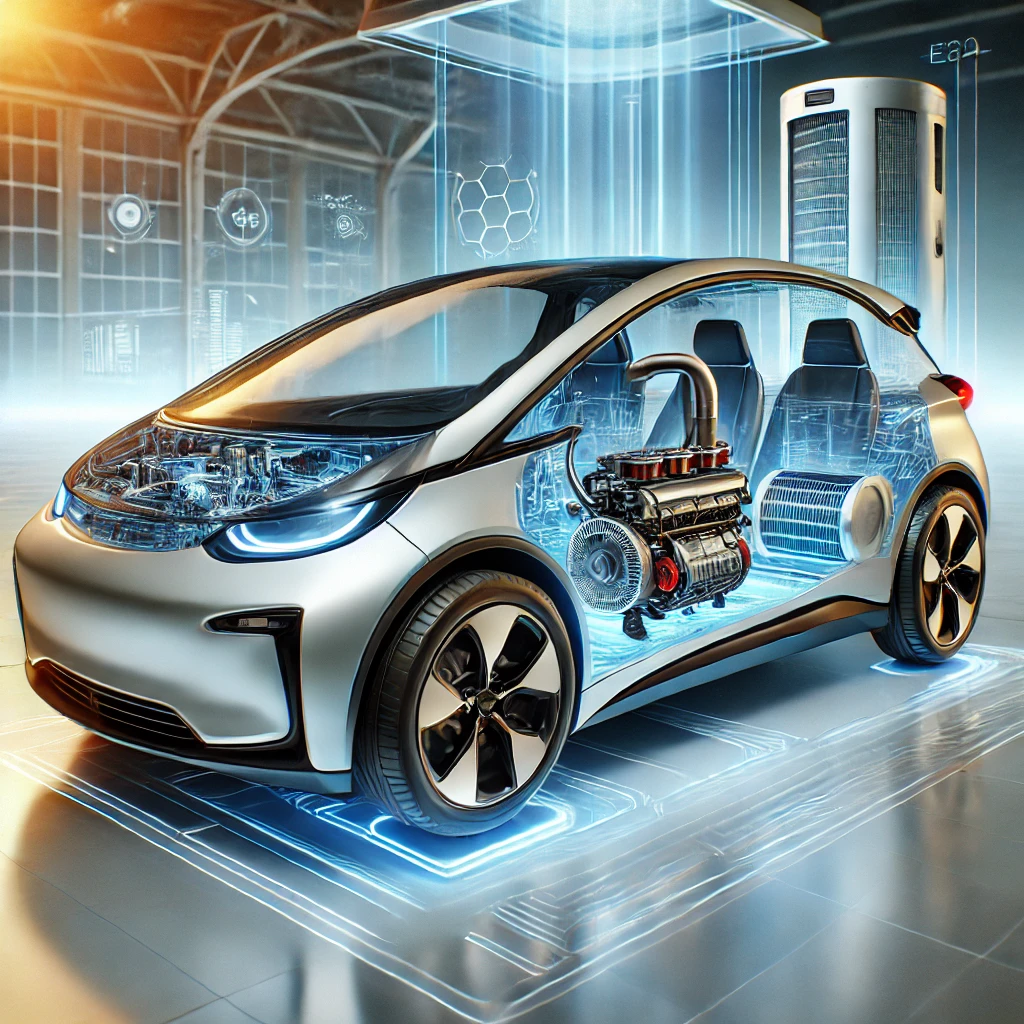
What Is a Heat Pump System?
A heat pump system is a technology that efficiently manages the heating and cooling needs of an EV. Unlike traditional heating methods that rely on resistive heating (essentially, turning electricity into heat), heat pumps transfer heat from one place to another using a refrigerant cycle. This makes them far more energy-efficient than conventional systems.
In cold weather, a heat pump extracts heat from the outside air—even when temperatures are below freezing—and uses it to warm the vehicle’s cabin. Conversely, in warm weather, the system works as an air conditioner, removing heat from the cabin and releasing it outside. This dual functionality ensures comfort year-round without putting excessive strain on the EV’s battery.
Enhancing Range in Cold Climates
Range anxiety remains one of the top concerns for EV drivers, especially in colder climates. Traditional heating systems can drain an EV’s battery quickly because they consume significant amounts of energy to generate warmth. Heat pumps, on the other hand, are highly efficient, requiring less energy to achieve the same level of comfort.
This efficiency translates to improved range during the winter months. In regions like the northern US and much of Europe, where cold temperatures are a regular occurrence, the ability to extend range by using less energy for heating is a game-changer. For drivers, it means fewer stops at charging stations and greater confidence in their vehicle’s ability to handle long trips in winter weather.
Reducing Energy Consumption
The energy savings provided by heat pump systems are not limited to cold climates. In warmer regions, where air conditioning is essential, heat pumps work to cool the cabin without significantly impacting the battery’s charge. This ensures that drivers in the southern US or Mediterranean Europe can enjoy comfort without compromising range.
By reducing the overall energy consumption of climate control systems, heat pumps also contribute to faster charging. With less energy used for heating or cooling, more of the battery’s capacity is available for propulsion, making every charge more efficient.
Supporting Sustainability Goals
Sustainability is a core driver behind the shift to electric vehicles, and heat pump systems align perfectly with this goal. By optimizing energy use, they help reduce the overall electricity consumption of EVs, which, in turn, decreases the environmental impact of charging.
For drivers who power their vehicles using renewable energy sources such as solar panels or wind turbines, heat pumps further enhance the green credentials of their EV. By using less energy for heating and cooling, they make it easier to stay within the limits of renewable energy generation, reducing reliance on the grid.
Advanced Technology for Modern EVs
Modern heat pump systems are a testament to the advancements in EV technology. Many automakers are designing heat pumps to integrate seamlessly with other thermal management components, such as battery cooling systems. This ensures that every part of the EV operates within optimal temperature ranges, prolonging the life of critical components like batteries and motors.
Additionally, automakers are exploring ways to make heat pumps even more efficient. Some newer systems can capture and recycle heat generated by the drivetrain or battery, using it to warm the cabin without drawing extra energy from the battery. This kind of innovation highlights the potential for heat pumps to become an even more integral part of EV design.
The Growing Adoption of Heat Pump Systems
The adoption of heat pump systems is growing rapidly, especially in the US and European markets. As governments and consumers push for more efficient and environmentally friendly vehicles, automakers are incorporating heat pumps into their EV models as a standard or optional feature.
Regulations in Europe that prioritize energy efficiency are further accelerating this trend. For EV manufacturers, offering heat pump technology is not just about meeting regulatory requirements; it’s about delivering better value to customers by addressing real-world challenges like range anxiety and thermal comfort.
Looking Ahead
Heat pump systems are a shining example of how smart engineering can improve the practicality and appeal of electric vehicles. By offering efficient heating and cooling, they enhance range, reduce energy consumption, and support the sustainability goals of the EV movement.
For drivers in the US and Europe, heat pump systems represent a step forward in making EVs a viable choice for all seasons and climates. Whether you’re navigating a snowy winter morning or cruising through a hot summer afternoon, heat pumps ensure that your EV remains comfortable and efficient.
As EV adoption continues to grow, the role of heat pump systems will only become more important. They’re not just an upgrade; they’re a necessity for the future of electric mobility. And for those considering making the switch to an EV, understanding the benefits of this technology might just make the decision even easier.