The concept of a connected world is no longer confined to our smartphones and laptops. In the US and Europe, where smart homes and electric vehicles (EVs) are becoming mainstream, a new trend is emerging: car-to-home integration. This innovation bridges the gap between two essential parts of our daily lives, making them work together seamlessly.
Car-to-home integration is a natural evolution of connectivity, offering new levels of convenience, efficiency, and sustainability. Imagine your car communicating with your home systems to ensure everything is perfectly set up for your arrival. This is not just the future—it’s happening now.
What Is Car-to-Home Integration?
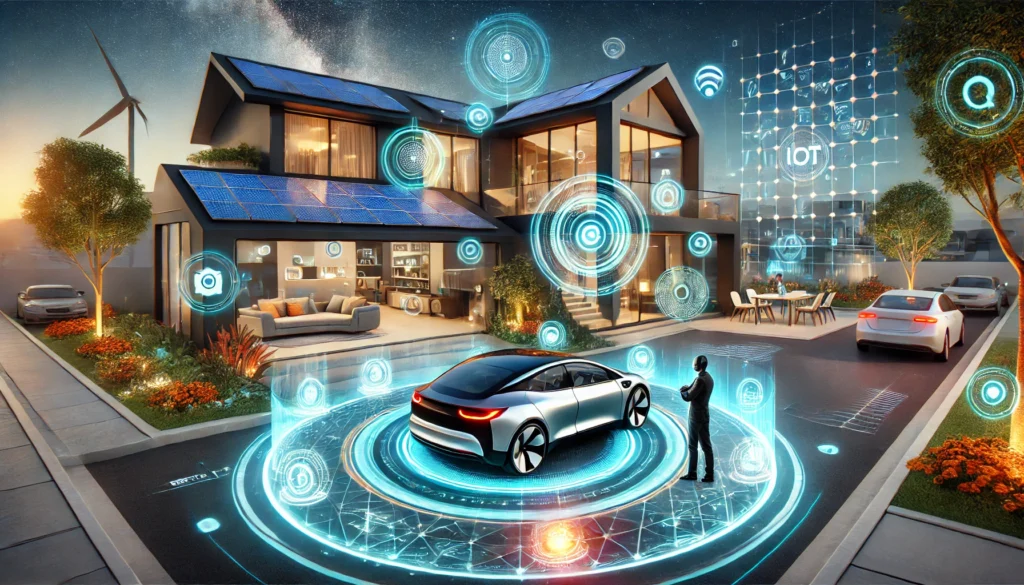
Car-to-home integration is the technology that allows your vehicle and home to interact with each other. It connects your car to smart home systems like lighting, heating, security, and even energy management. Using platforms powered by the Internet of Things (IoT), this integration creates a cohesive network where your car becomes an extension of your home.
For example, as you approach your house, your car could signal your smart thermostat to adjust the temperature to your preference. It could also ensure your garage door is open and the lights are on. The goal is to make daily routines more intuitive and efficient, eliminating manual tasks and providing peace of mind.
Convenience at Your Fingertips
One of the most appealing aspects of car-to-home integration is the convenience it brings. With the rise of voice-activated assistants and mobile apps, you can now control both your vehicle and your home with a few simple commands.
Picture this: you’re driving home after a long day, and with a tap on your car’s infotainment screen or a voice command, you activate your home’s smart systems. Your coffee maker starts brewing, your favorite playlist begins playing on the living room speakers, and your electric blinds adjust to create the perfect ambiance. This level of personalization transforms the way we experience both driving and living.
For EV owners, car-to-home integration offers additional benefits. Your vehicle can sync with your home’s energy management system to schedule charging during off-peak hours, saving you money on electricity bills. It can also alert you if your solar panels are generating surplus energy, allowing you to maximize renewable energy usage.
Enhancing Security and Peace of Mind
Security is a major concern for homeowners, and car-to-home integration addresses this in innovative ways. Your vehicle can act as an extension of your home’s security system, providing an extra layer of protection.
If your car detects unusual activity near your home, it can notify your security system to activate cameras or sound an alarm. Conversely, if your home’s system detects an intruder, it can alert your car, enabling you to take action remotely. This synchronized approach to safety ensures you’re always connected and in control, whether you’re at home, in your car, or miles away.
Integration also offers peace of mind when it comes to leaving the house. How many times have you worried about whether you turned off the lights or locked the doors? With car-to-home technology, you can check and manage these functions directly from your car’s dashboard or a smartphone app, simplifying your routines and eliminating unnecessary stress.
Supporting Sustainability Goals
In a world increasingly focused on sustainability, car-to-home integration plays a significant role in promoting energy efficiency. By syncing EVs with home energy systems, this technology helps reduce waste and reliance on fossil fuels.
For example, energy-sharing features allow your car’s battery to power your home during peak electricity demand. This bi-directional energy flow, often referred to as vehicle-to-home (V2H) technology, is gaining traction in both the US and Europe. It can help stabilize the grid, lower energy costs, and ensure uninterrupted power during outages.
Additionally, car-to-home integration can optimize energy use across both platforms. If your EV battery has surplus power, your home can draw on it to run appliances. Similarly, your car can delay charging if your home’s energy consumption is high, ensuring an efficient balance of resources.
The Technology Behind the Scenes
Car-to-home integration relies on advanced IoT systems, cloud connectivity, and machine learning. Automakers and tech companies are partnering to develop platforms that make this interaction seamless. These systems use real-time data to understand your habits and preferences, creating a smarter and more adaptive experience.
Many of the latest EVs and smart home systems come equipped with compatibility for such integrations. Brands are focusing on open standards to ensure that cars and homes from different manufacturers can communicate effectively. This collaborative approach is vital for driving widespread adoption.
The Road Ahead
Car-to-home integration is more than just a technological trend; it’s a glimpse into the future of mobility and smart living. As EV adoption grows and smart homes become more sophisticated, this connectivity will redefine the way we interact with our environments.
For consumers in the US and Europe, the benefits are clear. From enhanced convenience and security to significant energy savings, car-to-home integration offers a lifestyle upgrade that aligns with the demands of modern living. As more automakers and tech companies embrace this innovation, the possibilities will only expand.
The journey toward a fully connected world is well underway, and car-to-home integration is an essential step in that direction. It’s not just about smarter cars or smarter homes—it’s about creating a smarter way of life.