

As the world embraces electric vehicles (EVs) to combat climate change and reduce dependence on fossil fuels, governments in the US and Europe are rolling out a variety of incentives to accelerate EV adoption. These subsidies, aimed at making EVs more affordable and accessible, vary significantly between the two regions. Understanding how these programs work and their impact on the automotive market provides valuable insights for consumers and policymakers alike.
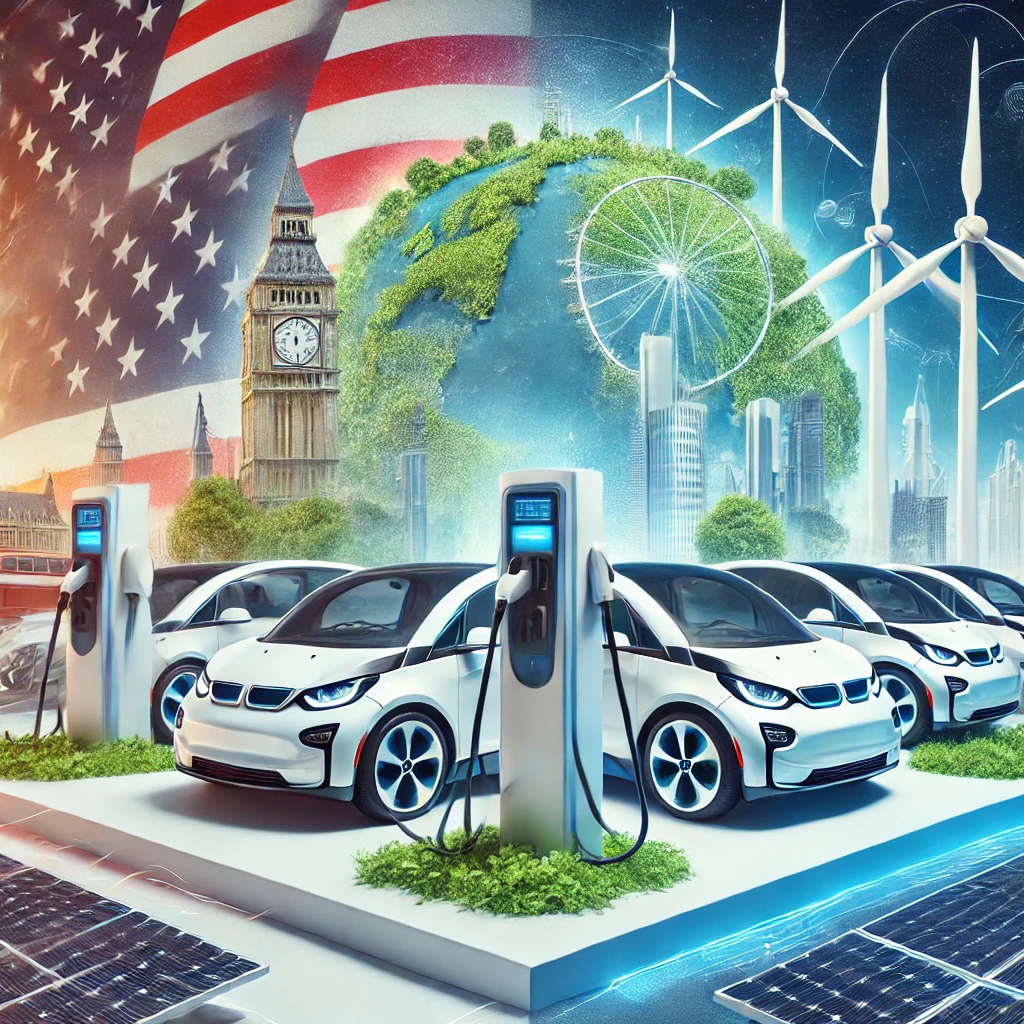
Driving EV Adoption: The Role of Subsidies
In both the US and Europe, subsidies have become a cornerstone of efforts to encourage the transition to electric mobility. These incentives come in many forms, including purchase rebates, tax credits, reduced registration fees, and exemptions from certain road tolls. The goal is to make EV ownership more appealing by offsetting the higher upfront costs compared to traditional gasoline-powered vehicles.
While both regions share the common objective of promoting sustainability, the structure and scale of subsidies reveal important differences. These variations reflect distinct economic priorities, energy policies, and consumer preferences.
EV Subsidies in the US: A Tax Credit Approach
The US takes a tax-credit-driven approach to EV subsidies. Federal tax credits are available for qualifying EV purchases, offering up to a specified amount depending on the vehicle’s battery size and the manufacturer’s sales volume. For example, many popular EVs qualify for a significant tax break, reducing the effective cost for buyers.
However, the US system has its quirks. Once an automaker sells a certain number of EVs, the federal tax credit phases out for that brand. This has led to some well-established EV makers losing eligibility for these credits, while newer entrants continue to benefit. State-level incentives further enhance the appeal of EVs, with some states offering additional rebates, tax reductions, or perks like access to carpool lanes.
One key feature of the US subsidy system is its focus on economic growth and job creation. Programs that incentivize domestic battery manufacturing and assembly aim to boost the local EV supply chain, ensuring the US remains competitive in the global automotive market.
Europe’s Comprehensive Support for EVs
In contrast, Europe’s approach to EV subsidies is broader and often more generous. Most European countries offer direct purchase incentives, which immediately reduce the sticker price of an EV at the point of sale. These rebates can vary significantly between countries but often cover a substantial portion of the cost, especially for compact and mid-range EVs.
Beyond purchase subsidies, Europe has introduced policies to encourage EV adoption through ongoing benefits. Lower registration fees, exemptions from congestion charges, and access to low-emission zones in cities are just some of the perks available to EV owners. In countries like Norway, EVs benefit from free public parking and toll-free use of highways, making them an attractive option for both urban and rural drivers.
Europe’s focus on infrastructure development also sets it apart. Governments and private companies are working together to build a comprehensive charging network, ensuring EV owners have access to fast and reliable charging stations. This infrastructure support complements financial subsidies, addressing range anxiety and making EVs practical for everyday use.
Comparing Effectiveness: US vs. Europe
The effectiveness of EV subsidies in driving adoption is influenced by regional factors. In Europe, where fuel prices are higher and cities are densely populated, EVs naturally align with consumer priorities. The generous subsidies and well-developed infrastructure have made Europe a global leader in EV adoption, with several countries achieving significant market share for electric cars.
In the US, where longer driving distances and lower fuel prices dominate, the transition has been slower. However, the combination of federal and state incentives, along with growing public awareness of environmental issues, is steadily increasing EV sales. The US has also seen a surge in demand for electric trucks and SUVs, catering to consumer preferences for larger vehicles.
Challenges and Opportunities
Both regions face challenges in ensuring the long-term success of their EV subsidy programs. In the US, the phased-out tax credit for popular manufacturers has sparked calls for reform to create a level playing field. Similarly, European governments must balance the cost of subsidies with the need for sustainable fiscal policies as EV adoption grows.
One common opportunity lies in expanding public awareness. Many consumers are still unfamiliar with the benefits of EV subsidies or find the application process confusing. Simplifying these programs and improving outreach could significantly boost participation.
The Road Ahead for EV Incentives
EV subsidies in the US and Europe highlight different approaches to achieving the same goal: a cleaner, greener future. While Europe’s direct rebates and infrastructure investments create a robust ecosystem for EV adoption, the US’s tax credits and emphasis on domestic production are fostering a dynamic and competitive market.
As EV technology advances and prices continue to fall, the reliance on subsidies may decrease. Until then, these incentives play a vital role in making electric vehicles accessible to a wider audience. Whether you’re in the US or Europe, now is an excellent time to explore the benefits of going electric, taking advantage of the support available to help make your next car a sustainable choice.


