The world is in the midst of an electric vehicle (EV) revolution, and the idea of solar-powered EVs has captured the imagination of both drivers and environmentalists. Imagine a car that not only runs on clean energy but also generates its own power using sunlight. While this concept feels futuristic, solar-powered EVs are edging closer to reality thanks to technological advancements and growing interest in sustainable transportation.
The Vision Behind Solar-Powered EVs
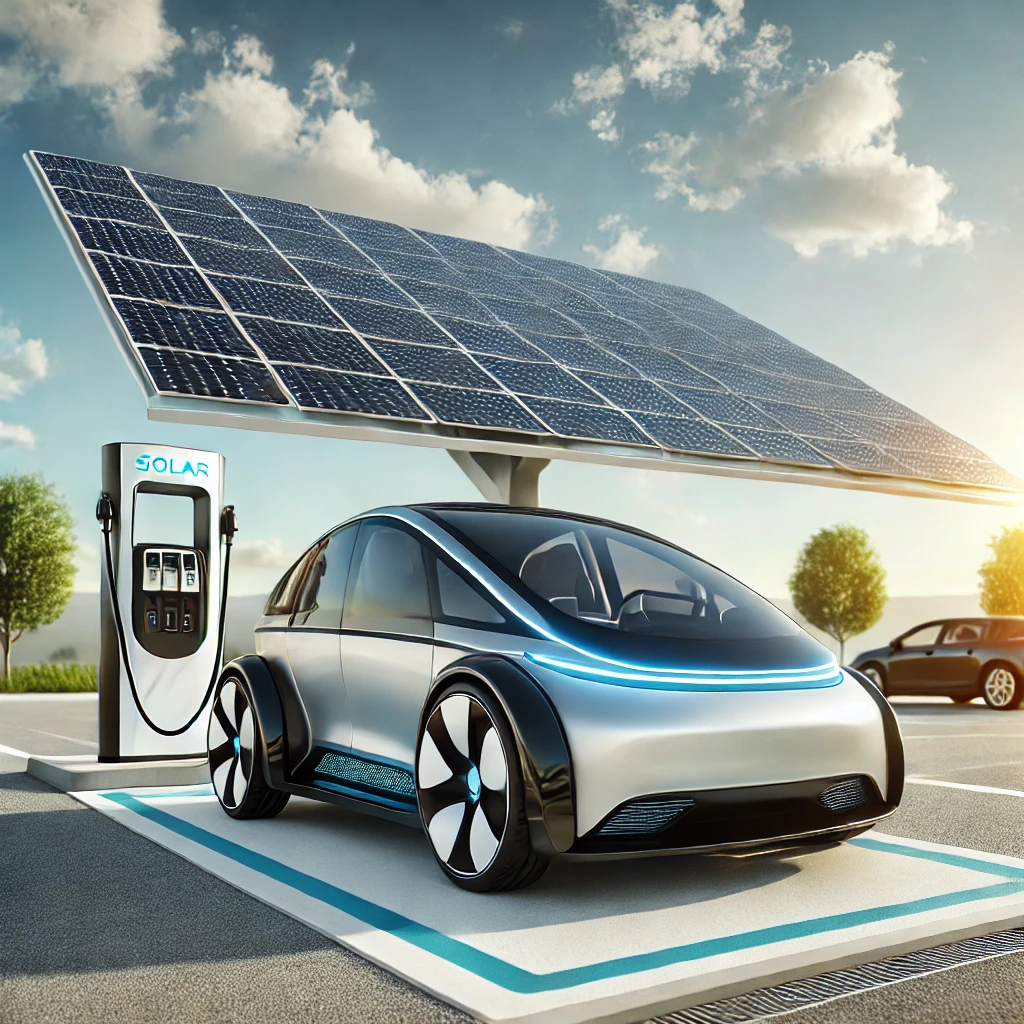
Solar-powered EVs aim to redefine mobility by integrating solar panels directly into the vehicle’s surface. These panels capture sunlight and convert it into electricity, which can then charge the car’s battery or even power its components. The idea is simple yet revolutionary: cars that can drive on renewable energy, reducing dependency on external power sources and fossil fuels.
This innovation aligns perfectly with the broader push for sustainable solutions in the automotive industry. As the US and Europe work toward reducing carbon emissions, solar EVs represent a natural next step in the evolution of green transportation.
Current Solar EV Innovations
Several companies are already making significant strides toward developing practical solar-powered EVs. These vehicles typically feature solar panels on the roof, hood, or sides, designed to capture as much sunlight as possible. While most current solar EVs rely primarily on traditional battery charging, the solar component serves as a valuable supplement, adding extra range and increasing efficiency.
For example, some prototypes can generate enough solar energy to add 10 to 20 miles of range per day. While this might not replace the need for external charging entirely, it’s a significant boost for daily commutes or short trips. Over time, as solar panel efficiency improves, these vehicles could eventually provide a substantial portion of their energy needs through sunlight alone.
The Challenges of Solar Integration
Despite the exciting potential, there are challenges to making solar-powered EVs mainstream. One of the primary hurdles is efficiency. While solar panels have become more effective at converting sunlight into electricity, their output is still limited compared to the energy demands of an EV. Factors such as weather, location, and daylight hours also impact the amount of energy generated.
Another challenge is the physical space available on a vehicle. Cars have limited surface area for installing solar panels, and maximizing that space without compromising aerodynamics or aesthetics requires innovative design solutions. Additionally, the cost of integrating high-quality solar panels into vehicles must be brought down to make these cars accessible to a wide range of consumers.
Solar EVs and Energy Independence
One of the most compelling aspects of solar-powered EVs is their potential to enhance energy independence. For drivers in sunny regions of the US and Europe, the ability to charge a vehicle using sunlight could reduce reliance on charging stations or the electrical grid. This would be particularly beneficial in remote areas where charging infrastructure is still developing.
Solar EVs could also complement the growth of renewable energy at a societal level. Imagine a future where millions of vehicles contribute to a decentralized energy grid, using solar power to not only fuel their own journeys but also support the broader energy ecosystem.
The Role of Technology and Innovation
Advancements in solar and battery technology are key to the future of solar-powered EVs. Researchers are developing lightweight, flexible solar panels that can be seamlessly integrated into vehicle designs. At the same time, improvements in battery storage capacity ensure that the energy captured from sunlight can be stored efficiently and used as needed.
Some companies are experimenting with cutting-edge solutions, such as integrating semi-transparent solar panels into windows or using next-generation materials to increase energy conversion rates. These innovations are bringing us closer to a world where solar EVs are practical and cost-effective.
The Future of Solar Mobility
While fully solar-powered EVs that never need to plug in are still a few steps away, the progress being made today is significant. Solar integration is already enhancing the capabilities of traditional EVs, offering added range and sustainability. As infrastructure and technology continue to advance, solar EVs will likely become a key player in the future of green transportation.
In the US and Europe, where commitments to carbon neutrality are driving ambitious goals, solar-powered EVs could play an essential role in meeting sustainability targets. For consumers, these vehicles represent an exciting opportunity to embrace clean energy while enjoying the convenience and innovation of modern EVs.
A Bright Horizon
Solar-powered EVs are no longer just a dream; they’re becoming a tangible part of the automotive landscape. While challenges remain, the strides being made in technology, efficiency, and design are bringing us closer to a future where cars powered by sunlight are a common sight on roads.
As drivers seek more sustainable ways to travel, the promise of a car that fuels itself using the power of the sun is undeniably appealing. Solar-powered EVs offer not just a glimpse of what’s possible but a reminder that the future of transportation is bright—literally. The road ahead may still require development, but the journey toward solar mobility is well underway.