The automotive industry is embracing a greener future, and one of the most promising innovations leading this change is the use of bioplastics. These eco-friendly materials, derived from renewable sources like plants, algae, and even agricultural waste, are gradually replacing traditional petroleum-based plastics in cars. In the US and Europe, where sustainability has become a driving force in automotive design, bioplastics are transforming the way vehicles are built, making them lighter, more efficient, and less harmful to the environment.
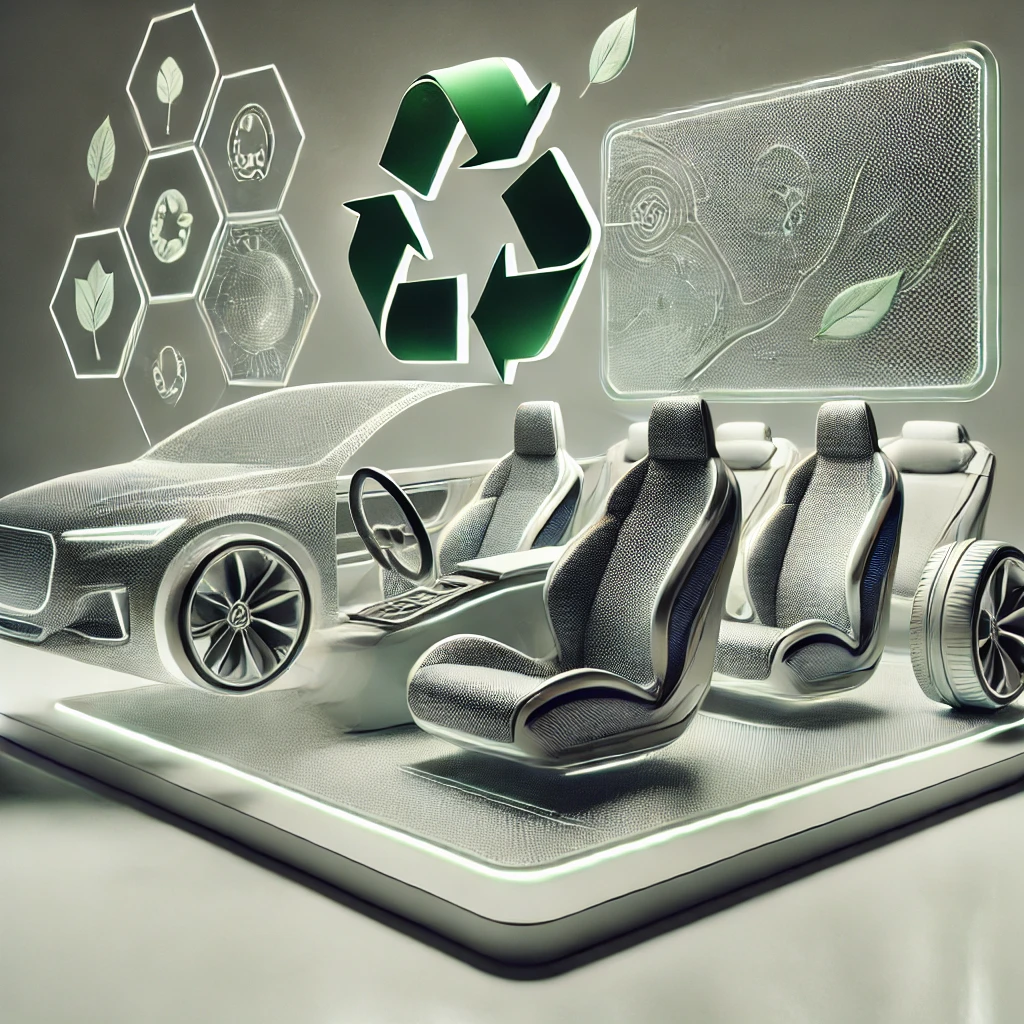
What Are Bioplastics?
Bioplastics are materials made from biological sources rather than fossil fuels. Unlike traditional plastics, which rely on petroleum, bioplastics are derived from natural ingredients such as corn starch, sugarcane, or vegetable oils. Some bioplastics are biodegradable, meaning they break down naturally over time, while others are recyclable and designed to reduce waste in manufacturing processes.
In the automotive industry, bioplastics are used for a wide range of components, including interior trims, dashboards, seating, and even under-the-hood parts. Their versatility and sustainability make them an attractive alternative as automakers look for ways to reduce their carbon footprint and meet stricter environmental regulations.
Why Bioplastics Are Important in Automotive Manufacturing
Plastic is a significant material in modern cars, valued for its lightweight properties, durability, and cost-effectiveness. However, traditional petroleum-based plastics contribute to pollution and rely heavily on non-renewable resources. This creates environmental challenges, from greenhouse gas emissions during production to the problem of plastic waste disposal.
Bioplastics offer a solution by reducing the reliance on fossil fuels and minimizing the environmental impact of car manufacturing. Using renewable resources to create plastic components helps reduce CO₂ emissions, making bioplastics an essential step toward achieving carbon neutrality in the automotive sector.
For consumers, the shift to bioplastics means driving vehicles that are not only high-performing but also more sustainable. This aligns with growing consumer preferences in the US and Europe for eco-friendly products, where environmentally conscious drivers are seeking cars with a lower environmental impact.
Applications of Bioplastics in Cars
The use of bioplastics in the automotive industry is expanding rapidly, with innovative applications transforming various parts of a vehicle. Interior components, such as door panels, seat covers, and dashboard trims, are some of the most common uses of bioplastics. These materials provide the same durability and aesthetic appeal as traditional plastics while offering superior environmental benefits.
Under-the-hood components, like engine covers and air ducts, are also being manufactured using heat-resistant bioplastics. These materials can withstand the high temperatures and stress of engine compartments, proving that bioplastics are not just for show—they’re built for performance.
In addition to these applications, automakers are exploring ways to use bioplastics in lightweight structural components. Reducing the overall weight of a vehicle improves fuel efficiency, making bioplastics an integral part of the industry’s push for greener cars.
Benefits of Bioplastics in Automotive Design
Bioplastics bring several advantages to the table. One of the most significant benefits is their contribution to sustainability. Since they are made from renewable resources, bioplastics reduce dependency on fossil fuels and help combat climate change by lowering emissions during production.
Another advantage is biodegradability. Some bioplastics naturally decompose in the environment, addressing the issue of plastic waste that has plagued the planet for decades. Others are recyclable, creating a circular economy where materials can be reused multiple times without losing quality.
Bioplastics also enhance vehicle performance. Their lightweight properties improve fuel efficiency and, in the case of electric vehicles (EVs), extend battery range. At the same time, bioplastics maintain the strength and durability needed to meet the rigorous demands of automotive applications.
Challenges and the Road Ahead
Despite their many benefits, the widespread adoption of bioplastics in cars comes with challenges. One of the main hurdles is cost. Currently, bioplastics are more expensive to produce than traditional plastics, making them less accessible for budget-friendly vehicles. However, as demand grows and production scales up, costs are expected to come down, making bioplastics a viable option for a broader range of vehicles.
Another challenge is ensuring that bioplastics meet the strict performance and safety standards required in the automotive industry. While significant progress has been made, continued innovation and testing are essential to ensure bioplastics perform reliably under all conditions.
A Greener Future for Automobiles
Bioplastics are not just a trend; they represent a major step forward in creating more sustainable cars. By replacing petroleum-based plastics with materials derived from renewable sources, automakers in the US and Europe are leading the charge toward a greener automotive industry. This transition is helping reduce emissions, minimize waste, and align with consumer demands for eco-friendly vehicles.
As bioplastics continue to evolve, their role in automotive manufacturing is expected to grow, bringing us closer to a future where cars are as kind to the planet as they are to the road. Whether you’re a driver or an industry insider, the adoption of bioplastics signals an exciting shift toward innovation, sustainability, and environmental responsibility in the world of automobiles.