Your brakes are more than just a component of your car; they are key to keeping you and everyone else safe on the road. Over time, brake pads wear down and gradually lose their effectiveness, potentially putting you at risk if they are not replaced in a timely manner. Knowing when it’s time to get new brake pads can help you maintain safer driving conditions and avoid unexpected repair costs.
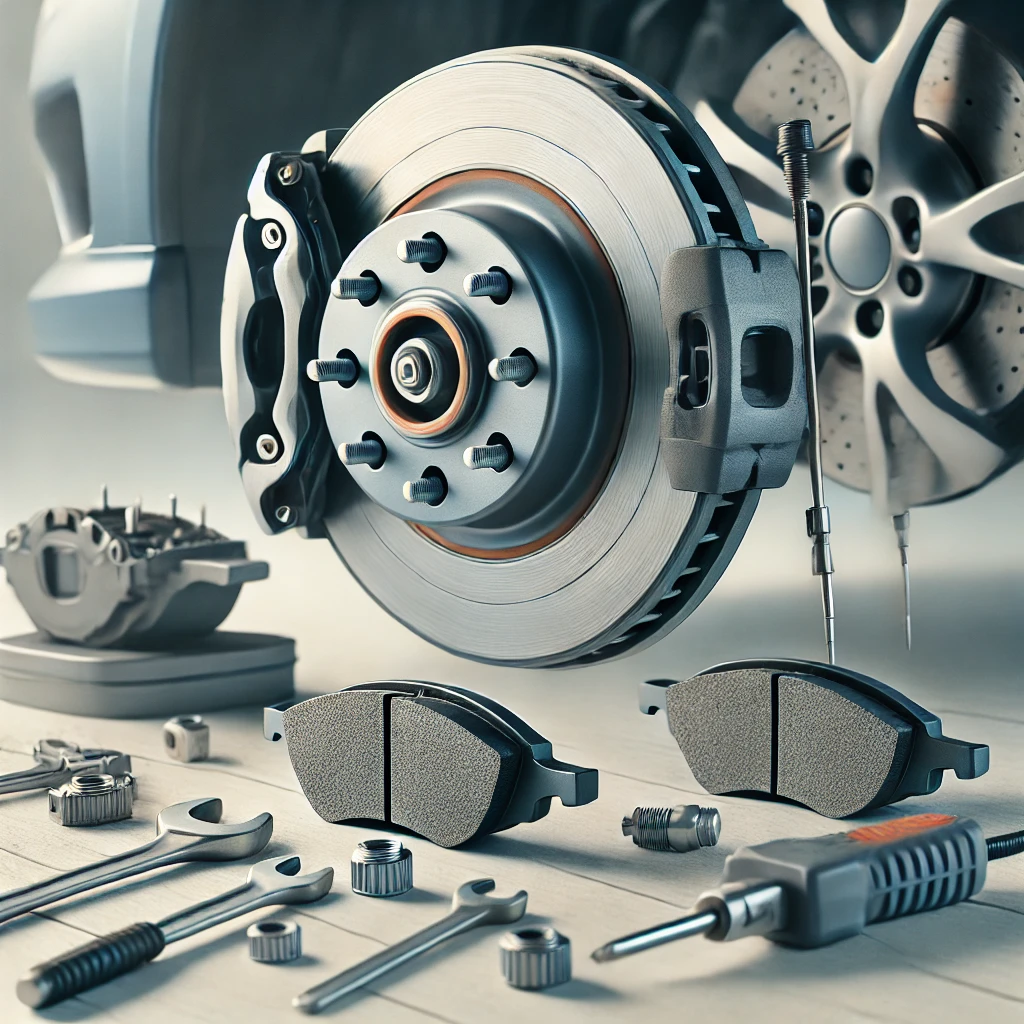
Understanding How Brake Pads Wear Down
Brake pads work by pressing against metal rotors to slow your wheels. This friction inevitably leads to wear. Modern brake pads are designed using advanced materials and improved manufacturing methods that offer better performance and longer life. Yet, as travel patterns differ across the United States and Europe, environmental factors like road salt, rainfall, and even temperature swings can influence how quickly these components deteriorate.
In regions with heavy stop-and-go city traffic, brakes naturally wear out more quickly. Commuters who frequently drive in urban areas will often notice that their brake pads need replacing sooner compared to those who mostly travel on open highways.
Listening for Unusual Sounds
A common sign that your brake pads are nearing the end of their lifespan is a squealing or screeching noise when you apply the brakes. This sound often comes from a built-in wear indicator that manufacturers include to warn you. If you continue hearing these noises every time you slow down, it’s a strong hint that your pads are getting thin and need attention.
A grinding noise, on the other hand, can indicate that your brake pads are severely worn. When the pad material is almost gone, the metal backing can make direct contact with the rotor, causing damage to both parts. The moment you hear grinding, it’s best to arrange an inspection as soon as possible.
Paying Attention to Changes in Performance
Drivers who are tuned into their car’s behavior will often notice a difference in braking performance as their pads wear down. If it takes longer to come to a full stop or you feel that the brakes aren’t as responsive as they used to be, it may be time to look into a fresh set of pads. Any sensation of the car pulling to one side or a spongy feeling when pressing the brake pedal should prompt a visit to your trusted mechanic.
Feeling Vibrations Through the Pedal or Steering Wheel
Subtle vibrations through the brake pedal or steering wheel can mean your brake pads are no longer making uniform contact with the rotors. Imperfections, overheating, or uneven wear can cause these vibrations. While vibrations can sometimes be related to other mechanical issues, brake pad wear is a common culprit and should not be ignored.
Watching for Dashboard Warnings
Many modern vehicles sold in the US and Europe come equipped with electronic brake pad wear sensors. These sensors trigger a warning light on your dashboard once the pads have reached a certain level of wear. Treat this warning light seriously, as it’s designed to alert you before the situation becomes critical.
Considering Regular Check-Ups
Routine brake inspections can catch problems before they cause more expensive damage. Mechanics know the latest recommendations, advanced brake pad materials, and updated best practices that are frequently discussed by automotive experts. Having your brakes inspected every time you go in for an oil change or a scheduled service helps maintain their efficiency. If your mechanic suggests replacing the pads, doing so promptly can help prevent damage to other brake components, such as rotors and calipers.
Thinking About Your Safety and Comfort
Effective brakes are not just about preventing accidents; they are also about ensuring a more pleasant driving experience. Newer brake pads have lower dust emissions and quieter operation, improving both the handling and cleanliness of your vehicle. With regular replacement, your brakes will perform at their best, giving you peace of mind on every journey.
Making the Right Choice When Replacing Your Pads
When it’s time to replace your brake pads, it’s worth investing in quality components. Superior materials and well-reviewed brands often last longer, perform better, and are designed to handle the driving conditions common in the US and Europe. Improved pad technology, including ceramic and semi-metallic options, not only enhances stopping power but also reduces noise and dust.
Take the time to understand the signs that indicate worn brake pads. Pay attention to new sounds, changes in braking performance, vibrations, warning lights, and advice from your mechanic. Staying aware and addressing the issue promptly will help you maintain a comfortable, efficient, and safe driving experience for years to come.