Your car battery is the heart of your vehicle’s electrical system, powering everything from the engine start to your lights, radio, and navigation. Yet, it’s one of those components we often take for granted—until it fails. By adopting a few simple habits and keeping an eye on key factors, you can extend the life of your car battery and save yourself from unexpected breakdowns. Here’s how to ensure your car battery stays reliable for years to come.
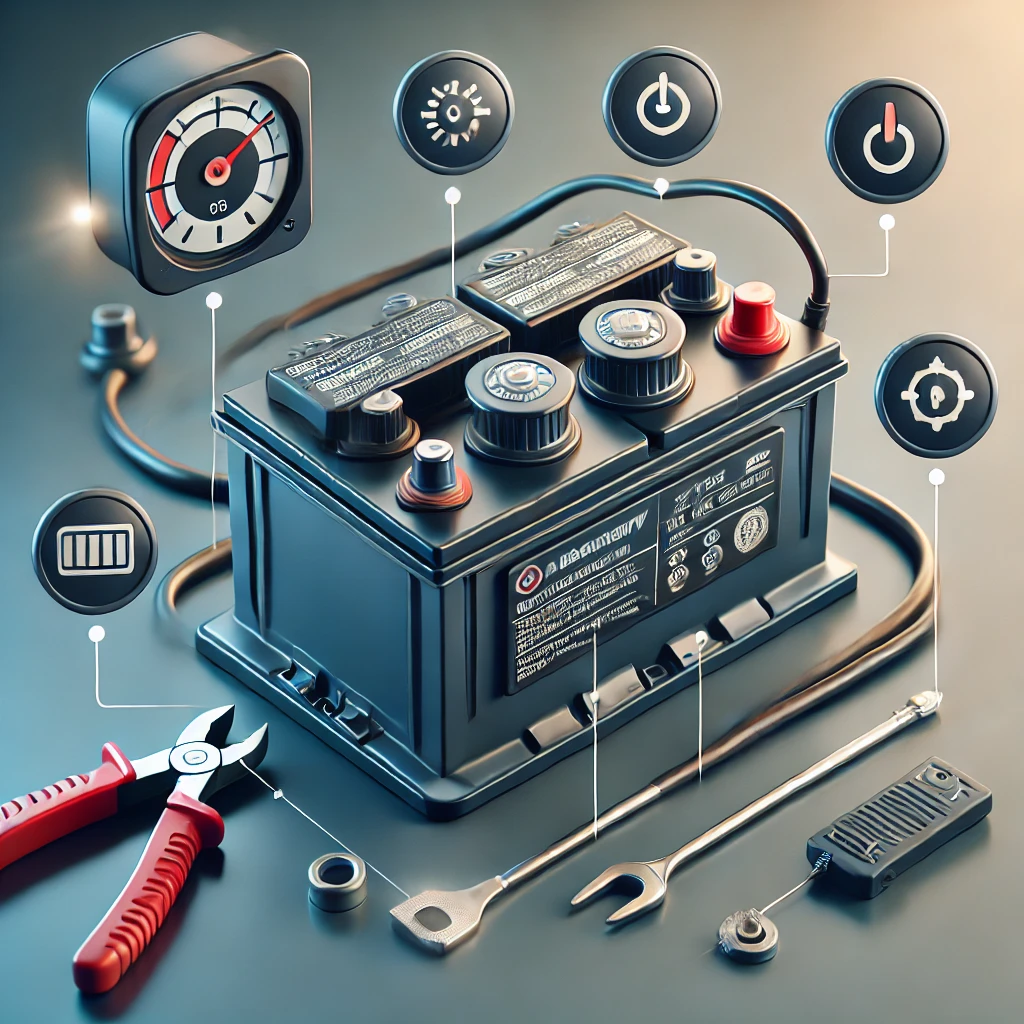
Understand What Shortens Battery Life
Car batteries don’t last forever, but several factors can hasten their demise. Weather plays a significant role, especially in the US and Europe, where extremes of hot and cold temperatures are common. Heat causes battery fluid to evaporate, while freezing temperatures can reduce battery capacity. Short trips, infrequent use, and leaving your car unused for long periods can also drain your battery prematurely.
Modern vehicles equipped with advanced technology like GPS systems, onboard computers, and always-on features put a constant load on your battery. Awareness of these factors is the first step toward prolonging its life.
Drive Regularly to Keep Your Battery Charged
One of the simplest ways to keep your car battery in good condition is to drive regularly. When you drive, the alternator recharges the battery, helping it maintain optimal charge levels. If your car sits idle for days or weeks, the battery naturally discharges, leading to sulfation—a condition that can reduce its capacity.
If you don’t drive frequently, consider investing in a quality battery maintainer or trickle charger to keep the battery charged. These devices are especially helpful for those who store their cars during winter or take long vacations.
Avoid Short Trips Whenever Possible
Starting your car uses a lot of power, and it takes time for the alternator to recharge the battery. If you frequently make short trips, the battery might not have enough time to recover, leaving it in a partially charged state. Over time, this can significantly reduce its lifespan.
Instead of making several short trips in a day, try to combine errands into one longer trip. This not only helps your battery but also saves fuel and reduces wear and tear on your car.
Protect Your Battery from Extreme Temperatures
Temperature extremes are a common challenge for car batteries. During hot summers, parking in the shade or using a car cover can prevent the battery fluid from evaporating. In cold winters, keeping your car in a garage or using a thermal blanket for the battery can help it stay warm and maintain its performance.
Additionally, before winter sets in, have your battery tested to ensure it’s fully charged and capable of handling cold starts. Many auto shops in the US and Europe offer free battery testing services, so take advantage of this convenience.
Turn Off Unnecessary Electrical Features
Modern cars are full of conveniences like heated seats, touchscreen displays, and high-powered sound systems. While these features make driving more enjoyable, they also put a heavy load on your battery.
Make it a habit to turn off unnecessary electrical components when your car isn’t running. Always ensure lights, radio, and other electronics are turned off before shutting down the engine. Leaving these features on can drain your battery and make it difficult to start your car next time.
Check for Corrosion and Clean Your Battery
Corrosion on the battery terminals is a common issue that can impede the connection between the battery and your vehicle. Inspect your battery terminals regularly for signs of corrosion—a white or bluish powdery buildup.
If you notice corrosion, clean it carefully using a mixture of baking soda and water along with a wire brush. Ensure your car is turned off, and wear protective gloves while cleaning. After cleaning, apply a battery terminal protector to prevent future corrosion.
Replace the Battery When Needed
Even with proper care, car batteries eventually wear out. On average, a car battery lasts three to five years, depending on the make and model of your vehicle and how well you’ve maintained it. Be proactive and replace your battery before it fails completely, especially if you notice warning signs like slow engine starts or dimming headlights.
Ask your mechanic or consult your car’s manual for guidance on when to replace your battery. Opt for a high-quality battery that’s compatible with your vehicle to ensure reliability.
Final Thoughts
Caring for your car battery doesn’t have to be complicated. Regular maintenance, mindful driving habits, and attention to environmental factors can go a long way in extending its life. By following these tips, you’ll not only save money but also avoid the inconvenience of being stranded with a dead battery.
Invest in your car’s reliability by making battery care a part of your routine. A little effort today can keep your vehicle running smoothly for years to come.