For many drivers, regular car maintenance feels like a chore—one that’s often pushed to the bottom of the to-do list until an issue arises. But what if your car could take the guesswork out of maintenance, helping you prevent costly repairs and reduce downtime? Proactive service scheduling is transforming car ownership by leveraging advanced technology to keep vehicles in peak condition.
In the US and Europe, where drivers often rely on their cars for daily commutes, road trips, and everything in between, minimizing maintenance issues is a priority. Proactive service scheduling is not only a convenience but also a smarter, more efficient way to care for your car.
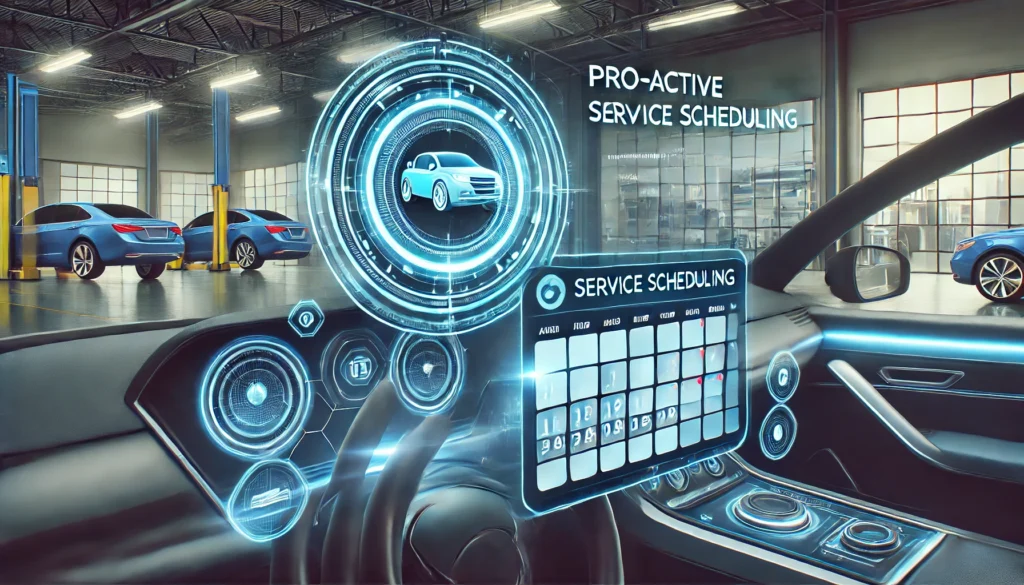
Understanding Proactive Service Scheduling
Proactive service scheduling uses advanced systems, often powered by AI and telematics, to monitor a vehicle’s performance and anticipate maintenance needs. Instead of relying on standard mileage-based service intervals or waiting for a warning light to come on, these systems collect real-time data from the car’s sensors. They analyze this data to detect wear and tear, flag potential issues, and recommend service appointments before problems escalate.
This approach replaces the traditional reactive model of maintenance—fixing problems after they occur—with a predictive and preventative model. For drivers, it means fewer breakdowns, lower repair costs, and more confidence behind the wheel.
How Proactive Scheduling Reduces Downtime
Vehicle downtime is more than just an inconvenience. For many people, it disrupts daily routines, leads to missed work, and can even affect overall productivity. Proactive service scheduling minimizes downtime by identifying and addressing issues early. For instance, if a sensor detects that your brake pads are nearing the end of their lifespan, the system can recommend scheduling a replacement at your convenience, rather than waiting for the pads to wear out completely and cause a larger problem.
This is especially valuable for commercial vehicles and fleets, where downtime translates to lost revenue. In the US, where road transportation plays a critical role in logistics, proactive maintenance ensures that vehicles stay on the road and businesses remain operational. Similarly, in Europe, where cities are adopting stricter efficiency standards, reducing unexpected breakdowns is essential for meeting customer demands.
Improving Safety Through Predictive Maintenance
Safety is paramount when it comes to driving, and proactive service scheduling contributes significantly to safer roads. By monitoring critical systems like brakes, tires, and the engine, the technology can alert drivers to potential risks before they turn into serious hazards. For example, early detection of low tire pressure or worn-out suspension components can prevent accidents caused by mechanical failures.
In regions with challenging driving conditions, such as snowy winters in northern Europe or the high-temperature summers in parts of the southern US, proactive maintenance ensures that cars are prepared to handle the elements. By addressing issues ahead of time, drivers can avoid dangerous situations and enjoy peace of mind.
Leveraging Connected Cars for Smarter Maintenance
The rise of connected cars is taking proactive service scheduling to new heights. Equipped with Internet of Things (IoT) technology, connected cars continuously share data with automakers, service centers, and even smartphone apps. This connectivity allows for seamless communication between the vehicle and the driver, ensuring that maintenance is always up to date.
In the US and Europe, many automakers now offer apps that notify drivers when their car needs service. These apps can schedule appointments, provide cost estimates, and even suggest nearby service centers. For EV owners, these systems can monitor battery health, recommend charging stations, and suggest optimal charging schedules to extend battery life.
Cost Efficiency and Environmental Benefits
Proactive service scheduling isn’t just about convenience; it’s also about saving money. By catching issues early, drivers can avoid costly repairs and extend the lifespan of their vehicles. For example, addressing a minor oil leak before it damages the engine can save thousands of dollars in repair costs.
This approach also aligns with sustainability goals. Well-maintained vehicles are more fuel-efficient and produce fewer emissions, which is critical in Europe, where strict environmental regulations drive innovation. In the US, where fuel economy is a top concern for many drivers, proactive maintenance helps reduce carbon footprints while cutting fuel costs.
The Future of Proactive Car Care
As technology continues to advance, proactive service scheduling is becoming more sophisticated and accessible. AI algorithms are improving their ability to predict maintenance needs with pinpoint accuracy, while connected car systems are integrating seamlessly with smart home and mobile devices. In the near future, your car may even coordinate with your calendar to suggest the most convenient times for service.
For automakers, this trend represents an opportunity to build stronger relationships with customers by offering a hassle-free ownership experience. For drivers, it’s a step toward worry-free car care, where your vehicle looks out for you as much as you look out for it.
Proactive service scheduling is more than just a feature—it’s a smarter way to own a car. By reducing downtime, enhancing safety, and saving money, it ensures that your vehicle stays ready for whatever life throws your way. In a world where time is precious, proactive car care puts drivers in control, keeping their cars on the road and out of the shop.