The world of automobiles is changing, and so is the way we think about upgrading older cars. As software-defined vehicles, known as SDVs, become more widespread, many drivers in the US and Europe are wondering if they can bring this cutting-edge technology into their trusted older models. The idea of transforming a beloved car, perhaps one passed down through generations, into something smarter, more connected, and responsive is undeniably appealing. Yet, it is important to understand what this process entails, how it works, and where the industry stands today.
Understanding the Software-Defined Vehicle Revolution
The concept of software-defined vehicles represents a shift from a world where hardware sets a car’s capabilities to one where software takes center stage. SDVs can be updated over the air, respond to driver preferences, and connect with the surrounding infrastructure. They integrate seamlessly with advanced driver-assistance features and even prepare the foundation for autonomous functions. In the US, long highway drives can become more comfortable and efficient with such technology, while in Europe’s intricate city streets, it can help navigate busy roads more safely.
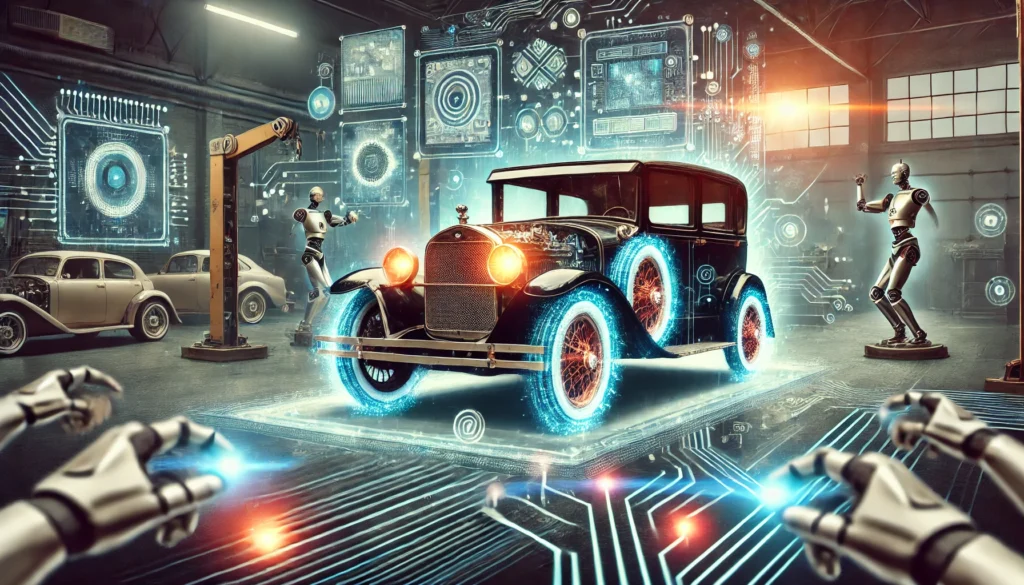
For newer cars, this software revolution comes built-in. But what about older vehicles, some with cherished memories and sentimental value, others known for their durable engineering? Can they share in this new era of technology? The idea of breathing modern digital life into a vintage car or even a sturdy family vehicle from a few decades ago is gaining attention as the automotive landscape evolves.
The Challenge of Integrating Modern Software
Retrofitting an older car with SDV technology is not as simple as plugging in a new device. Today’s connected cars rely on a network of sensors, processors, and communication modules. Installing these systems requires a deep understanding of the car’s existing electrical architecture. Older vehicles were never designed for this level of connectivity, so adapting them involves more than just a simple upgrade. It may mean adding sensors to track speed, braking, engine performance, or surrounding traffic conditions. It may also mean installing powerful onboard computers, improved wiring, and data connections that older cars simply never had.
In the US and Europe, automakers and specialty shops are experimenting with retrofit kits. Some target classic models known for their enthusiastic fan bases, while others focus on reliable workhorses still popular among drivers. These kits often include sensors, infotainment systems, connectivity modules, and compatibility layers to talk to a car’s existing mechanical and electronic parts. The process, however, is complex and can be expensive.
Balancing Costs and Benefits
Cost is one of the biggest hurdles for anyone considering an SDV retrofit. Adding the necessary hardware and software can rival the price of a newer, more technologically advanced car. For many drivers, it becomes a question of whether the investment is worth it. On one hand, there is the appeal of keeping a familiar, well-loved vehicle on the road, but now with advanced features like predictive maintenance alerts, improved navigation, and even limited self-driving capabilities. On the other hand, the costs and technical challenges can be significant.
In Europe, where environmental regulations encourage reduced emissions and cleaner mobility solutions, retrofitting might also include electrification. Some companies are working on converting classic cars to electric drivetrains and then layering in software-defined features. This approach can help preserve the heritage of classic models while meeting modern sustainability goals. In the US, where regulatory pressures vary widely by region, the flexibility to choose which features to add could make retrofitting a more personalized journey.
Ensuring Reliability and Compliance
Bringing SDV technology into older cars also raises questions about reliability and compliance. Modern cars are tested extensively to ensure their connected features and driver-assistance systems work seamlessly. When adding these capabilities to older cars, the lack of original design planning for such technology can lead to compatibility issues. Testing and validating these retrofits become essential to ensure safety and reliability.
In Europe, strict standards for vehicle safety and emissions mean that any retrofit solution must meet these criteria to remain roadworthy. In the US, state-level regulations might influence how easily a retrofitted SDV can be registered and operated. As a result, professional installers and reputable companies specializing in retrofit solutions are emerging to guide drivers through the process. This support can help ensure the car remains compliant, safe, and fully functional after the transformation.
Looking Ahead
While the idea of retrofitting older cars with SDV technology is gaining momentum, it is still in its early stages. As more drivers express interest, the industry will respond with cleaner, more affordable, and more standardized solutions. In time, we may see dedicated retrofit packages designed specifically for popular older models, complete with step-by-step guidance, warranties, and ongoing support.
For now, the decision to retrofit comes down to personal preference, budget, and what a driver hopes to achieve. Some may be motivated by preserving a cherished family car and bringing it up to modern standards. Others may see an opportunity to reduce environmental impact, enhance safety, or tap into connected features that make driving more enjoyable. As SDV technology continues to evolve, the door remains open to the possibility that even the classics of the road can learn some new tricks.