The way we interact with our cars is evolving at an incredible pace. What once seemed like science fiction—using fingerprints or facial recognition to unlock and start a vehicle—is quickly becoming a reality. In 2025, biometric car access is a major trend reshaping the automobile industry, offering both convenience and enhanced security. Let’s dive into the latest trends and how the United States is leading the charge in adopting this cutting-edge technology.
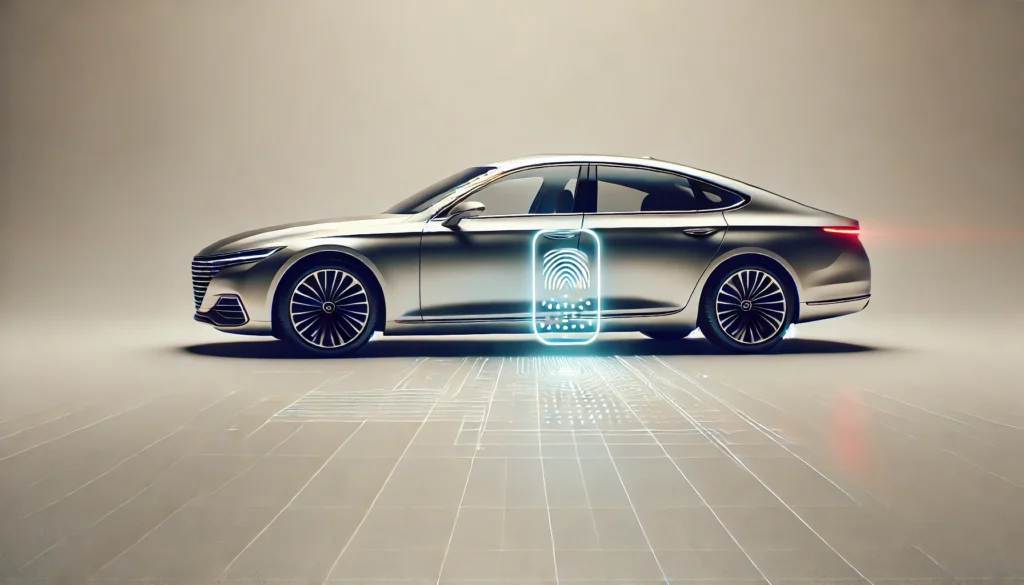
The Rise of Biometric Car Access
Biometric technology uses unique physical traits like fingerprints or facial features to verify identity. In recent years, this technology has found its way into smartphones, security systems, and now, automobiles. Automakers are leveraging biometrics to make vehicles smarter and safer, with the promise of eliminating the need for traditional keys or even digital key fobs.
In the U.S., where car theft and cybersecurity concerns are growing, biometric car access is gaining traction as a futuristic yet practical solution. Drivers are embracing the idea of never having to worry about losing keys or fobs, while also enjoying enhanced security that only personal biometrics can provide.
Fingerprint Scanners: Convenience at Your Fingertips
Fingerprint recognition technology is perhaps the most familiar form of biometrics. It has been used in smartphones for years, making it a natural fit for cars. In 2025, several automakers in the U.S. are incorporating fingerprint scanners to unlock doors and start engines.
Fingerprint car access is valued for its ease of use and reliability. Since no two fingerprints are alike, this technology ensures that only authorized users can access the vehicle. Moreover, fingerprint scanners can be integrated seamlessly into a car’s interior, often placed on the start button or door handle for effortless interaction.
Hyundai and Genesis are among the manufacturers leading the charge, offering vehicles with fingerprint access as a standard feature in some models. As more companies explore this technology, fingerprint access is expected to become a staple in luxury and mid-range vehicles alike.
Facial Recognition: A Hands-Free Future
Facial recognition technology is another trend making waves in the automotive world. In 2025, U.S. automakers are exploring how facial biometrics can offer a hands-free, seamless driving experience. This technology scans the driver’s face using cameras, often integrated into the vehicle’s dashboard or exterior.
Facial recognition isn’t just about convenience. It also adds a layer of personalization. Once the system recognizes the driver, it can automatically adjust settings like seat position, climate control, and infotainment preferences. This creates a truly tailored driving experience, all before the engine even starts.
One of the pioneers in this space is Tesla, which has hinted at integrating facial recognition into its vehicles for both security and personalization. Other automakers, including BMW and Ford, are testing similar technologies, emphasizing their potential to transform car access and enhance user experiences.
Privacy and Security: The Balancing Act
While biometric car access offers undeniable benefits, it also raises questions about privacy and security. In the U.S., where data privacy regulations are becoming stricter, automakers must ensure that biometric data is stored securely and used responsibly. Encryption and local storage of data within the car itself are some of the measures being taken to address these concerns.
Consumers, too, are becoming more aware of how their data is handled. As a result, automakers are focusing on transparency, offering clear information about how biometric data is stored, shared, and protected. This balance between innovation and privacy is critical for the widespread adoption of biometric car access.
The Road Ahead: Biometric Access in Every Vehicle?
As we move further into 2025, biometric car access is transitioning from a luxury feature to a potential standard across the industry. The U.S. market is particularly poised for growth, with automakers investing heavily in research and development to make these technologies more accessible and affordable.
The adoption of biometrics in cars signals a broader shift toward smart and connected vehicles. As fingerprint and facial recognition technologies continue to improve, we can expect to see faster adoption not just in luxury cars, but in everyday vehicles. This trend is set to redefine the way we think about car ownership and interaction.
A New Era of Car Access
Biometric technology is transforming the automotive world, offering a glimpse into a future where cars are more secure, personalized, and convenient than ever before. In the U.S., the trends of fingerprint scanners and facial recognition are leading the charge, creating a smarter and safer driving experience.
As automakers continue to innovate, one thing is clear: the key to your car might soon be something you never lose—your own unique identity. The age of biometric car access is here, and it’s just the beginning of what’s possible in the world of automotive technology.