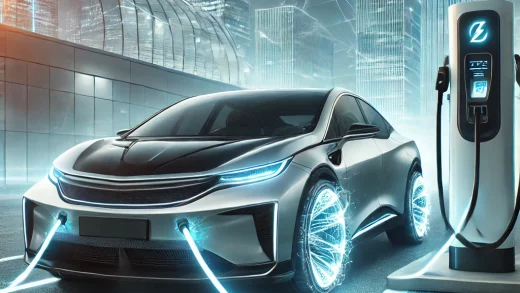
As electric vehicles (EVs) continue to surge in popularity in the United States, many owners are exploring the benefits of installing a home charging station. With advancements in technology and the growing infrastructure to support electric vehicles, having a home EV charger not only enhances convenience but also contributes to a more sustainable future. In this blog, we’ll walk you through the essentials of home charging station installation, discussing its benefits, types of chargers, and the steps involved to make the process smooth and hassle-free.

Why Install a Home EV Charger?
Having a home EV charger offers several advantages that can greatly improve your electric vehicle ownership experience. First and foremost, it provides the convenience of charging your car overnight, ensuring that you start each day with a full battery. This is especially beneficial for those with long commutes or who rely on their vehicles for daily activities.
Additionally, installing a home charging station can save you time and money. Instead of relying on public charging stations, which can sometimes be busy or require a fee, you can charge your vehicle at home without any hassle. Furthermore, many utility companies offer incentives or reduced rates for EV owners, allowing you to take advantage of lower energy costs during off-peak hours.
Choosing the Right Type of Charger
When considering installing an EV charging station at home, it’s essential to understand the types of chargers available. The two main options are Level 1 and Level 2 chargers.
Level 1 chargers are the simplest and easiest to install, as they plug into a standard 120-volt outlet. While this option is convenient, it offers slower charging speeds, typically providing about 4 to 5 miles of range per hour. This can be sufficient for casual drivers or those with short commutes.
On the other hand, Level 2 chargers operate on a 240-volt system, allowing for much faster charging times. They can deliver around 25 to 30 miles of range per hour, making them ideal for those with longer daily drives. While installing a Level 2 charger typically requires professional installation and an upgraded electrical system, many homeowners find that the investment is well worth the time savings.
Preparing for Installation
Once you’ve decided on the type of charger you want, the next step is preparing for the installation. It’s crucial to assess your home’s electrical system to ensure it can handle the additional load. A licensed electrician can evaluate your current setup and determine if any upgrades are needed. This may involve adding a dedicated circuit or upgrading your electrical panel to accommodate the new charger.
Another important consideration is the location of your charging station. Ideally, it should be installed in a convenient spot, such as your garage or driveway, where you park your vehicle. The charger should be easily accessible, allowing you to plug in without any hassle. Additionally, consider safety and local codes when choosing the installation location.
The Installation Process
Installing a home EV charger typically requires the expertise of a licensed electrician. They will handle the necessary electrical work, ensuring that the installation meets local building codes and safety standards. The process usually begins with a consultation to discuss your needs, followed by the installation of the charger and any necessary electrical upgrades.
During the installation, the electrician will ensure that all connections are secure and that the charger is functioning correctly. They may also offer guidance on how to use the charger effectively, including programming features that allow you to take advantage of lower electricity rates during off-peak hours.
Once the installation is complete, you’ll be ready to enjoy the benefits of having a home EV charger at your fingertips. You can rest assured knowing that you have a reliable charging solution that fits your lifestyle.
Maintenance and Future Considerations
Maintaining your home charging station is relatively straightforward. Regularly check the charger for any signs of wear or damage, and ensure that the connections are clean and secure. It’s also a good idea to consult with your electrician for periodic inspections, particularly if you notice any issues.
As the electric vehicle market continues to evolve, consider staying informed about advancements in charging technology. In 2024, the landscape of EV charging is rapidly changing, with new features and smarter chargers entering the market. Being aware of these developments can help you make informed decisions about upgrading or enhancing your charging setup in the future.
Conclusion
Installing a home EV charger is a valuable investment for electric vehicle owners. It provides the convenience of charging at home, saves time and money, and contributes to a more sustainable future. By understanding the different types of chargers available, preparing for the installation process, and maintaining your charging station, you can enhance your electric vehicle ownership experience. As the adoption of electric vehicles continues to grow in the US, having a reliable home charging solution will undoubtedly empower you to embrace the future of transportation with confidence.