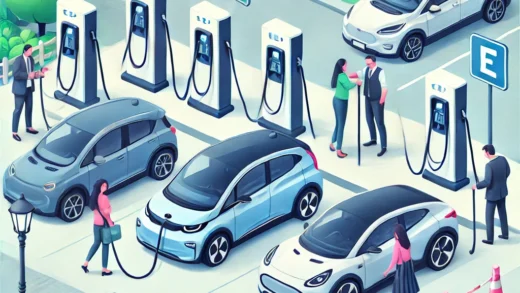
As electric vehicles (EVs) continue to gain popularity in the United States, understanding the different types of EV chargers is essential for both current and prospective EV owners. In 2024, the charging landscape has evolved, providing various options to suit different needs and lifestyles. This blog will explore the different types of EV chargers available today, highlighting their features and benefits to help you make informed decisions.

Level 1 Charging: The Basics
Level 1 chargers are the simplest and most commonly used type of EV charger. They utilize a standard 120-volt outlet, which means you can plug your electric vehicle into any regular household outlet. This makes Level 1 charging incredibly convenient, especially for those who may not have access to specialized charging stations.
However, there are some trade-offs to consider. While Level 1 charging is easy to use, it is also the slowest charging option available. On average, a Level 1 charger can provide about 4 to 5 miles of range per hour of charging. This makes it ideal for overnight charging or for those who drive short distances daily. If you have a longer commute or frequently drive for extended periods, relying solely on Level 1 charging may not be practical.
Level 1 charging is a great option for apartment dwellers or individuals who may not have a dedicated charging space. Many EV owners find it sufficient for their daily needs, especially if they can charge overnight and have short daily commutes.
Level 2 Charging: A Step Up in Speed
If you’re looking for faster charging times, Level 2 chargers are the way to go. These chargers operate on a 240-volt system, similar to what is used for large appliances like dryers. Level 2 charging stations can be installed at home or found at public charging locations, making them a versatile option for EV owners.
On average, a Level 2 charger can deliver around 25 to 30 miles of range per hour of charging. This makes it a popular choice for those with longer commutes or who need to recharge their vehicles during the day. Many businesses and shopping centers have begun installing Level 2 chargers to cater to EV owners, allowing them to charge while they shop or work.
Installing a Level 2 charging station at home typically requires a dedicated circuit and professional installation, but the investment can pay off with the convenience of quicker charging times. For many EV owners, Level 2 charging offers the perfect balance between speed and accessibility, making it an attractive option for everyday use.
DC Fast Charging: The Rapid Recharge Solution
For those who need to charge their electric vehicles quickly, DC fast charging stations are the answer. These chargers utilize direct current (DC) instead of alternating current (AC), allowing them to deliver significantly more power to the vehicle’s battery. In fact, DC fast chargers can provide up to 80% battery capacity in as little as 30 minutes, making them ideal for long road trips or quick stops.
DC fast charging stations are typically found along major highways and in high-traffic areas, allowing EV owners to recharge quickly during longer journeys. However, it’s important to note that not all EVs are compatible with DC fast charging. Most newer electric vehicles support this charging option, but checking your vehicle’s specifications is essential to ensure compatibility.
While DC fast charging is incredibly convenient, it’s generally not recommended for daily use due to the strain it can put on the battery over time. Instead, it is best utilized for those times when you need a quick charge and can’t wait for the slower options.
Choosing the Right Charger for Your Needs
When deciding on the best EV charger for your situation, it’s important to consider your driving habits, available charging infrastructure, and how often you need to recharge. Level 1 chargers are great for casual drivers or those with short daily commutes, while Level 2 chargers offer a balance of speed and convenience for those who drive longer distances. DC fast chargers are excellent for road trips, providing rapid charging options when you need them most.
In addition to these considerations, the growing network of charging stations across the US is making it easier for EV owners to find the right charging solution. With advancements in charging technology and infrastructure, the future of electric vehicle charging looks bright.
Conclusion
As electric vehicles continue to transform the automotive landscape in 2024, understanding the different types of EV chargers available is crucial for making informed choices. From Level 1 and Level 2 chargers to DC fast charging stations, each option offers unique benefits to suit various needs and lifestyles. Whether you’re a daily commuter or an adventurous road-tripper, there’s an EV charging solution for you. By staying informed about the latest developments in EV charger types, you can enjoy a seamless and efficient charging experience as you embrace the future of electric mobility.