

As we advance further into 2024, the conversation surrounding self-driving cars is becoming increasingly significant. With technology evolving rapidly, public opinion on autonomous vehicles (AVs) is critical for their successful integration into society. While the promise of self-driving cars holds many benefits, including increased safety and efficiency, trust in self-driving cars and their acceptance by the public remain major hurdles. In this blog, we will explore how public perception of self-driving cars is shaping the future of autonomous driving in the United States.
The Promise of Autonomous Vehicles
Self-driving cars have the potential to revolutionize transportation as we know it. They promise to reduce traffic accidents, alleviate congestion, and provide mobility solutions for those unable to drive, such as the elderly and disabled. Many supporters of autonomous vehicles highlight these benefits, emphasizing how they could lead to safer roads and a more efficient transportation system.
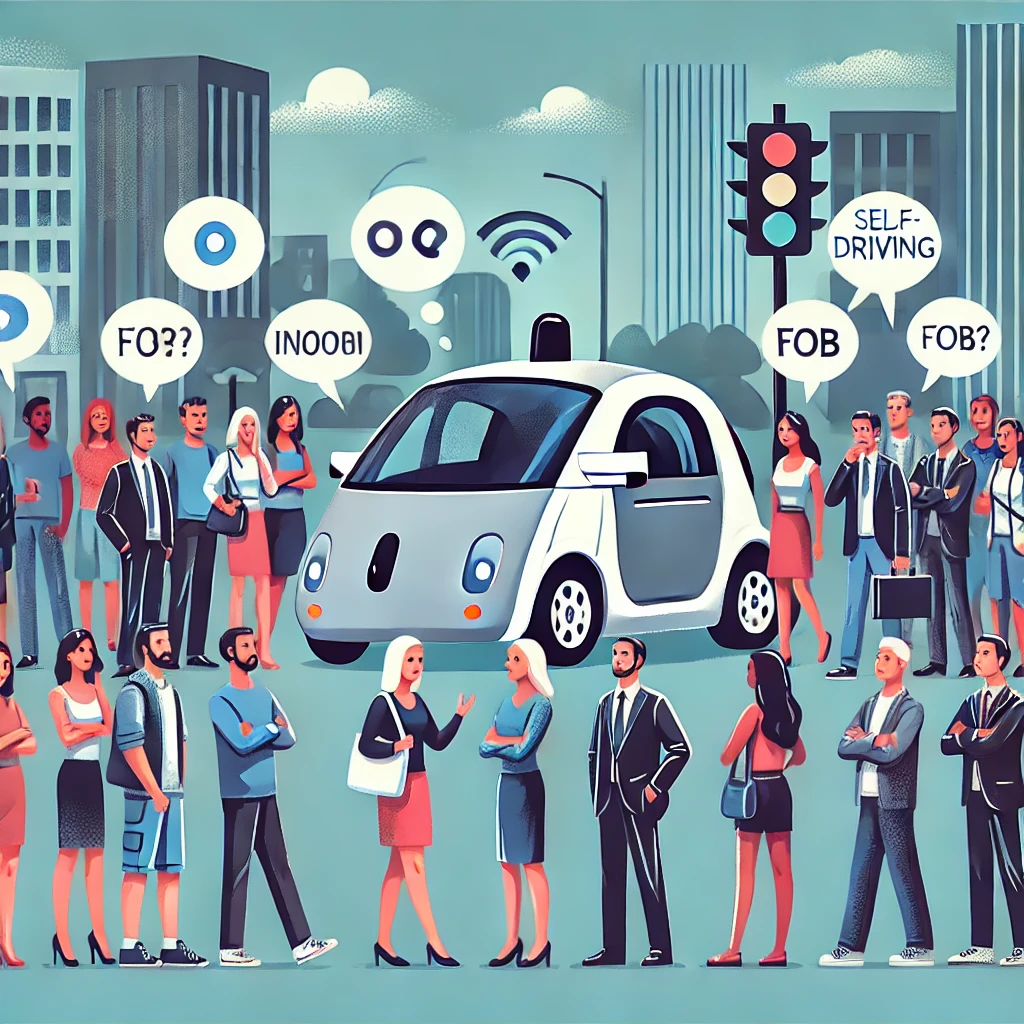
However, while the potential is vast, the reality is that public opinion on AVs is often mixed. Acceptance of autonomous vehicles varies across different demographics, locations, and even personal experiences. For some, the idea of relinquishing control to a machine is unsettling. Concerns about the technology’s reliability and the ethics of decision-making in emergency situations can overshadow the advantages.
The Role of Media and Education
Media coverage plays a significant role in shaping public opinion on AVs. Stories highlighting the innovative technology and safety benefits can foster enthusiasm and excitement. Conversely, reports of accidents or technical failures involving self-driving cars can sow doubt and fear. In 2024, many people still associate self-driving technology with the infamous Uber self-driving car incident in 2018, which resulted in a pedestrian fatality. This incident raised questions about the safety and ethics of autonomous vehicles and continues to influence public sentiment.
Education is another crucial factor in shaping public perception. Many individuals lack a clear understanding of how self-driving technology works and its limitations. Efforts to educate the public about the safety protocols, technology behind autonomous vehicles, and real-world performance are essential for building trust in self-driving cars. Companies like Waymo and Tesla have engaged in outreach programs and community events to showcase their technology, aiming to demystify self-driving cars and foster acceptance.
Trust in Self-Driving Cars
Trust is a cornerstone of public opinion on AVs. A survey conducted in 2024 revealed that while a significant number of people are intrigued by self-driving technology, many remain skeptical about its safety and reliability. Factors such as previous experiences with technology, perceived risk, and personal values heavily influence an individual’s level of trust.
The continuous improvement in safety features and performance metrics has been crucial for building this trust. For example, many autonomous vehicle companies emphasize their commitment to safety by sharing data demonstrating reduced accident rates compared to traditional vehicles. As the technology evolves, public awareness of these advancements can help shift perceptions and foster greater acceptance of self-driving cars.
Furthermore, transparency is vital in cultivating trust. Companies that openly share their safety protocols, testing processes, and performance data are more likely to gain public confidence. For instance, regular updates on the progress of autonomous vehicle testing and implementation can reassure potential users about the technology’s safety and reliability.
Overcoming Barriers to Acceptance
While there is excitement around the potential of self-driving cars, there are several barriers that need to be addressed for widespread acceptance. Legal and regulatory hurdles remain significant challenges. In 2024, the regulatory framework for autonomous vehicles is still evolving, and clear guidelines are needed to ensure safety and accountability. Public understanding of these regulations is essential for fostering acceptance and confidence in self-driving technology.
Cultural factors also play a role in shaping public opinion. In the United States, there is a strong cultural emphasis on personal freedom and control, which can make it difficult for some individuals to accept the idea of relinquishing control to a machine. Addressing these cultural attitudes through community engagement and dialogue can help bridge the gap between technological advancement and public acceptance.
The Future of Public Perception
As self-driving technology continues to evolve, public perception will play a crucial role in shaping its future. The key to increasing acceptance of autonomous vehicles lies in building trust and addressing concerns through education, transparency, and effective communication. In 2024, as more people gain exposure to self-driving technology, whether through ride-hailing services or public demonstrations, the hope is that these experiences will shift public opinion favorably.
Additionally, the industry’s efforts to collaborate with regulatory bodies and engage the public will be essential in addressing fears and misconceptions. As autonomous vehicles become more commonplace, their acceptance may grow, leading to a new era of transportation that prioritizes safety and efficiency.
Conclusion
The public perception of self-driving cars is a complex interplay of trust, fear, and understanding. As we navigate through 2024, addressing these factors will be crucial for the successful integration of autonomous vehicles into everyday life. With continued advancements in technology, education, and community engagement, the future of self-driving cars looks promising. By fostering public acceptance and trust in self-driving technology, we can pave the way for a safer, more efficient, and more inclusive transportation system for all.


