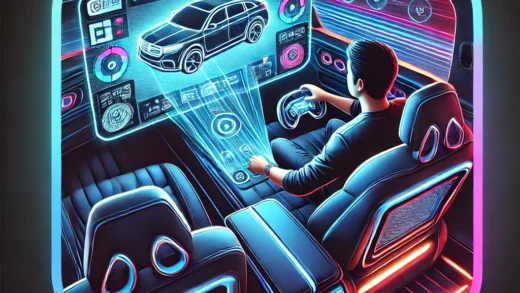
As technology continues to reshape the automotive landscape, the rise of connected cars offers a plethora of benefits. These vehicles can communicate with each other, provide real-time traffic updates, and offer a suite of infotainment options that enhance the driving experience. However, with these advancements come certain risks that every car owner should be aware of. In 2024, understanding the connected car risks is more important than ever, as we navigate an increasingly digital world.

The Rise of Connected Cars
Connected cars are vehicles equipped with internet access and the ability to communicate with external devices, other vehicles, and infrastructure. This connectivity enables features like navigation, remote diagnostics, and even advanced driver assistance systems (ADAS). As the Internet of Things (IoT) expands, the integration of smart technology in vehicles has transformed how we drive and interact with our cars. Yet, this innovation has a dark side, which brings us to the potential risks associated with connected cars.
Cybersecurity Vulnerabilities
One of the most significant concerns surrounding connected vehicles is cybersecurity. Just like any internet-connected device, connected cars can be vulnerable to hacking. Hackers can exploit weaknesses in the car’s software or network to gain unauthorized access, potentially compromising essential functions. In some instances, they could even take control of steering, braking, or acceleration, posing a severe safety risk.
The increasing reliance on cloud services for data storage and processing also heightens the threat landscape. If a connected car’s data is stored in the cloud, it can become a target for cybercriminals looking to exploit personal information or vehicle functionality. As more automakers embrace the internet of things car security, it’s crucial for consumers to stay informed about the risks and protective measures available.
Privacy Concerns
Connected cars generate and transmit vast amounts of data, including location, speed, and driving habits. While this data can enhance the driving experience by providing personalized features and insights, it also raises significant privacy concerns. When you drive a connected car, you essentially become part of a data ecosystem where your every move could be tracked and analyzed.
Consumers need to be aware of how their data is collected, shared, and used. Automakers often share this information with third parties, including insurance companies and advertisers, which can lead to unintended consequences. For example, your driving habits could affect your insurance premiums or be used for targeted advertising, potentially without your explicit consent. Understanding the vehicle data protection policies of your car’s manufacturer is essential to ensure that your personal information remains secure.
Software and Firmware Updates
Connected cars require regular software and firmware updates to address vulnerabilities and improve functionality. However, many vehicle owners may overlook these updates, leaving their cars susceptible to cyber threats. Keeping your car’s software current is critical for maintaining its security.
Most automakers provide over-the-air updates, making it easier for drivers to stay up to date without a trip to the dealership. Nevertheless, some owners may not realize the importance of these updates or might delay them due to convenience. In 2024, being proactive about software updates is essential for protecting your vehicle from cyberattacks and ensuring optimal performance.
Potential for Malfunctions
The connectivity and complexity of modern vehicles can sometimes lead to unexpected malfunctions. These can range from minor glitches in the infotainment system to more severe issues affecting essential driving functions. When a car relies on complex software to operate various systems, the potential for bugs or errors increases.
A malfunction caused by a connected feature can not only be frustrating but also dangerous. For example, if a software error occurs in a vehicle’s braking system, it could compromise the driver’s safety. Ensuring that your vehicle undergoes regular maintenance and checks can help mitigate these risks.
Mitigating the Risks
While connected cars offer many advantages, it’s crucial to take steps to mitigate the associated risks. Start by familiarizing yourself with your vehicle’s connectivity features and privacy settings. Always use strong passwords and enable two-factor authentication when possible. Additionally, regularly check for software updates and install them promptly.
When purchasing a connected vehicle, do your research. Look for models that prioritize cybersecurity and have robust data protection measures in place. Reading reviews and understanding the manufacturer’s policies regarding data usage and security can help you make informed decisions.
Conclusion: Embracing Technology Responsibly
As we move deeper into 2024, the allure of connected cars will continue to grow, offering convenience and advanced features that enhance the driving experience. However, it’s essential to remain vigilant about the potential connected car risks that come with this technology. By understanding these risks and taking proactive measures, you can enjoy the benefits of your connected vehicle while ensuring your safety and privacy. Embracing technology responsibly is the key to navigating the ever-evolving world of connected cars.