As technology continues to advance, cars are becoming increasingly connected, offering convenience and innovative features that enhance the driving experience. However, this technological evolution also brings new risks. In 2024, car cybersecurity has become a pressing concern for vehicle owners across the United States. Hackers are constantly finding ways to exploit vulnerabilities in modern vehicles, making it essential to prioritize vehicle security. In this blog, we’ll explore effective strategies to protect your car from hackers and keep your information safe.
Understanding Car Cybersecurity Risks
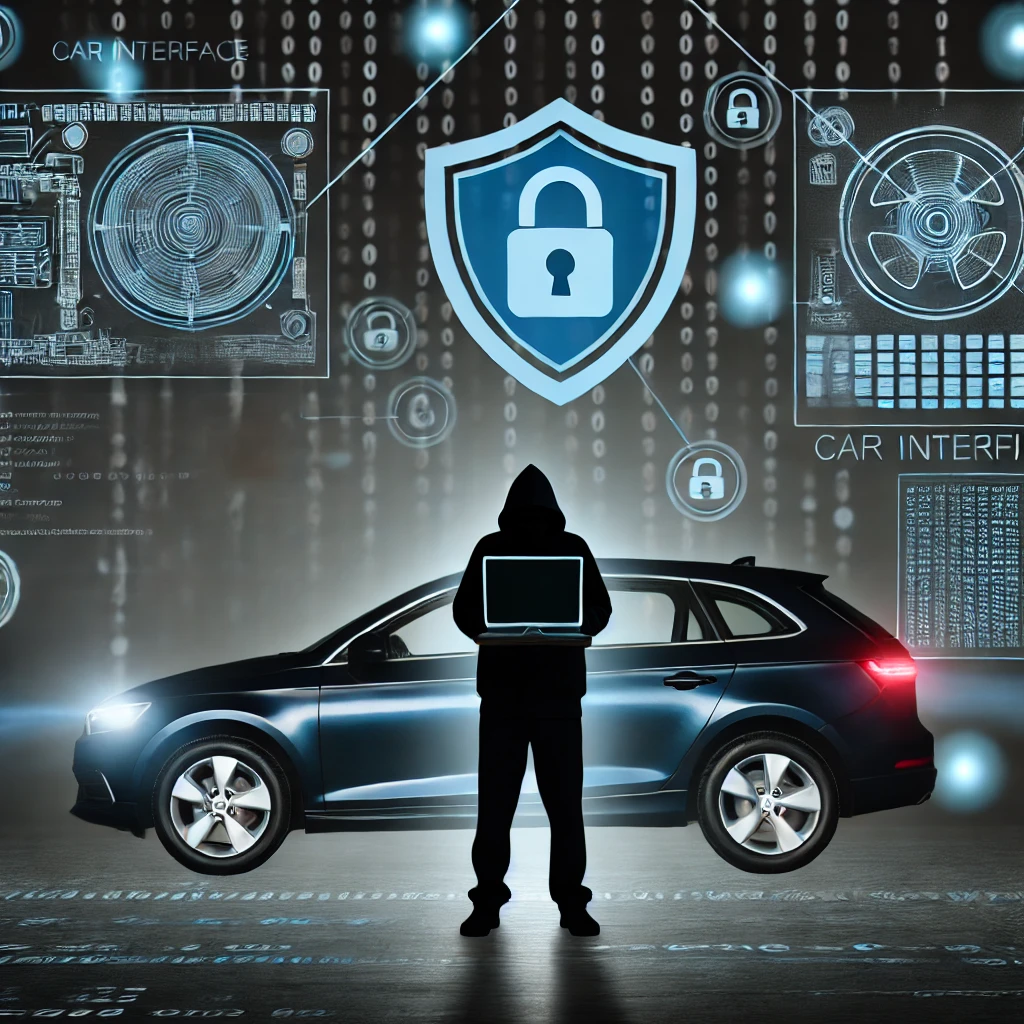
Modern vehicles are equipped with various electronic systems that enable features such as GPS navigation, infotainment systems, and advanced driver-assistance systems (ADAS). While these technologies improve convenience and safety, they also create entry points for cybercriminals. Hackers can gain unauthorized access to your vehicle’s systems, potentially compromising your personal information and even taking control of critical functions like steering or braking.
In recent years, several high-profile cases of car hacking have made headlines, highlighting the importance of robust cybersecurity measures. In 2024, it’s clear that owners must take proactive steps to safeguard their vehicles from potential threats.
Keep Software Up to Date
One of the simplest yet most effective ways to enhance car cybersecurity is to ensure that your vehicle’s software is always up to date. Automakers frequently release software updates to patch vulnerabilities and improve system performance. Just like smartphones and computers, vehicles require regular updates to protect against newly discovered security flaws.
Many modern cars offer over-the-air updates, which means you can receive software enhancements without visiting a dealership. Check your owner’s manual or the manufacturer’s website for instructions on how to enable these updates. Staying current with software updates is a critical step in preventing car hacking and ensuring your vehicle’s systems remain secure.
Use Strong Passwords and Two-Factor Authentication
As cars become more connected, many features require a user account or smartphone app for access. It’s essential to use strong, unique passwords for these accounts to reduce the risk of unauthorized access. Avoid using easily guessed passwords like “123456” or “password.” Instead, opt for complex passwords that combine letters, numbers, and special characters.
In addition to strong passwords, enabling two-factor authentication (2FA) can significantly enhance your vehicle’s security. With 2FA, you’ll receive a verification code on your smartphone or email whenever you attempt to log into your account. This extra layer of protection makes it much more difficult for hackers to gain access, even if they somehow acquire your password.
Be Cautious with Public Wi-Fi and Bluetooth
Connecting your car to public Wi-Fi networks or using Bluetooth to pair your smartphone with your vehicle can expose you to cybersecurity risks. Public Wi-Fi networks are often unsecured, making it easier for hackers to intercept data transmitted between your car and the network. If you must use public Wi-Fi, avoid accessing sensitive information, such as banking apps or personal accounts, while connected.
Similarly, when using Bluetooth, only pair your smartphone with trusted devices. If your vehicle allows for guest or temporary Bluetooth connections, be cautious about who you allow to connect. Regularly review your Bluetooth connections and remove any devices you no longer use to minimize potential vulnerabilities.
Monitor Your Car’s Data
Many modern vehicles generate a wealth of data, including information about location, speed, and system performance. While this data can be beneficial for maintenance and performance monitoring, it can also pose a security risk if it falls into the wrong hands. To protect your privacy, regularly review the data your vehicle collects and understand how it is shared with manufacturers or third-party apps.
Some automakers offer privacy settings that allow you to control data sharing. Take advantage of these options to limit the amount of information accessible to others. Being proactive about your car’s data can significantly enhance your overall vehicle security.
Be Aware of Physical Security
While car cybersecurity is crucial, it’s also essential to consider physical security. Use traditional security measures such as steering wheel locks, alarm systems, and immobilizers to deter thieves. Additionally, parking your car in well-lit areas or secure garages can help protect it from potential physical threats.
Conclusion: Stay Vigilant and Informed
As technology continues to evolve, car cybersecurity will remain a critical concern for vehicle owners. By understanding the risks and taking proactive measures, you can significantly reduce the likelihood of falling victim to car hacking. Keep your vehicle’s software up to date, use strong passwords and two-factor authentication, and be cautious with public Wi-Fi and Bluetooth connections.
In 2024, staying informed and vigilant about vehicle security is essential. By adopting these practices, you can enjoy the benefits of modern technology in your car while keeping your information and personal safety secure. Embracing a proactive approach to car cybersecurity ensures that your driving experience remains safe and enjoyable in an increasingly connected world.