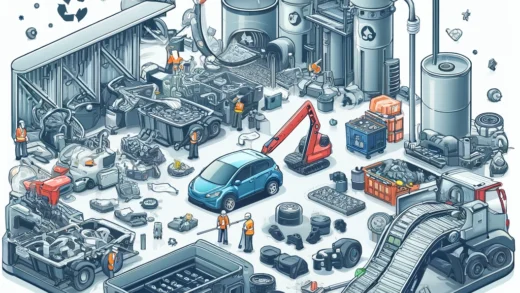
As the transition to electric vehicles (EVs) accelerates, concerns about the environmental impact of battery disposal have become increasingly prevalent. Fortunately, battery recycling offers a sustainable solution to this challenge, allowing for the recovery of valuable materials while minimizing waste. In this blog, we’ll delve into the intricacies of electric vehicle battery recycling in the United States, shedding light on the process and its environmental benefits.

Understanding Electric Vehicle Batteries:
Before delving into the recycling process, it’s essential to understand the composition of electric vehicle batteries. Most EVs utilize lithium-ion batteries, which consist of various components, including lithium, cobalt, nickel, manganese, and graphite. These materials play crucial roles in storing and releasing energy, making them valuable resources for recycling.
Collection and Transportation:
The first step in electric vehicle battery recycling is the collection and transportation of used batteries to recycling facilities. This process involves coordination between vehicle manufacturers, recycling companies, and collection centers to ensure the safe and efficient transport of batteries from end-of-life vehicles to recycling facilities. Proper handling and transportation protocols are essential to minimize the risk of accidents and environmental contamination.
Battery Dismantling:
Once the batteries reach the recycling facility, they undergo a dismantling process to separate individual components for recycling. This process typically involves mechanical shredding or cutting to access the internal components of the battery pack. Automated systems may be used to disassemble batteries efficiently while minimizing manual labor and exposure to hazardous materials.
Material Recovery:
After dismantling, the individual components of the battery pack are sorted and processed to recover valuable materials for recycling. Lithium, cobalt, nickel, and other metals are extracted through various chemical and metallurgical processes, depending on the specific composition of the battery. Advanced separation techniques such as hydrometallurgy and pyrometallurgy are employed to isolate and purify these materials for reuse.
Battery Reprocessing:
Once the materials are recovered, they undergo reprocessing to produce raw materials suitable for manufacturing new batteries or other products. For example, lithium, cobalt, and nickel may be refined and transformed into battery-grade materials through chemical processing and purification. Recycled materials may also be used in the production of stainless steel, aluminum alloys, and other industrial applications.
Environmental Benefits:
Electric vehicle battery recycling offers significant environmental benefits by reducing the demand for virgin materials and minimizing waste. By recovering valuable metals like lithium, cobalt, and nickel, recycling helps conserve natural resources and reduce greenhouse gas emissions associated with mining and processing raw materials. Additionally, recycling reduces the environmental footprint of electric vehicles by ensuring responsible end-of-life management of batteries.
Regulatory Framework:
In the United States, electric vehicle battery recycling is subject to various federal and state regulations aimed at promoting environmental sustainability and waste management. Regulatory agencies such as the Environmental Protection Agency (EPA) and the Department of Transportation (DOT) oversee compliance with recycling standards and safety regulations to protect public health and the environment.
Electric vehicle battery recycling plays a crucial role in the transition to sustainable transportation by promoting resource conservation and waste reduction. Through careful collection, dismantling, material recovery, and reprocessing, recycling facilities can extract valuable materials from end-of-life batteries and reintroduce them into the manufacturing supply chain. By embracing battery recycling practices, the electric vehicle industry can minimize its environmental footprint and contribute to a more sustainable future for generations to come.