Electric vehicles (EVs) represent a promising step towards a more sustainable future of transportation, offering reduced emissions and lower operating costs. However, like any complex technology, EVs are not immune to issues, occasionally leading to recalls. In this blog, we’ll delve into the causes and consequences of electric vehicle recalls in the United States.

Understanding Electric Vehicle Recalls:
Recalls are initiated when a manufacturer identifies a safety-related defect or non-compliance with federal safety standards in their vehicles. These defects can range from faulty components to software glitches, posing risks to the safety of drivers, passengers, and other road users. While recalls are not uncommon in the automotive industry, they carry significant implications, both for manufacturers and consumers.
Causes of Electric Vehicle Recalls:
Battery-related Issues:
One of the primary components of an electric vehicle is its battery pack. Issues such as thermal runaway, cell defects, or manufacturing errors can potentially lead to fires or other safety hazards, prompting recalls to address these concerns.
Software Malfunctions:
The sophisticated software systems that control various functions in EVs are prone to bugs and glitches. Software malfunctions can affect critical systems like braking, acceleration, or driver-assistance features, necessitating recalls to rectify the issues and ensure vehicle safety.
Charging Infrastructure Compatibility:
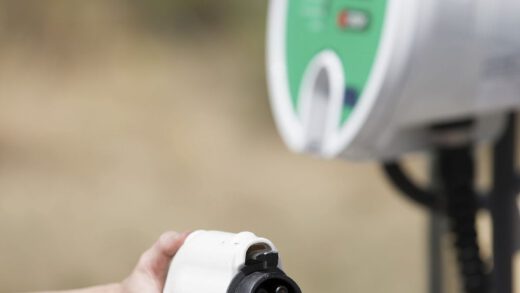
As the EV charging infrastructure continues to expand, compatibility issues between vehicles and charging stations may arise. Recalls may be initiated to address compatibility issues or ensure the proper functioning of charging components in electric vehicles.
Consequences of Electric Vehicle Recalls:
Consumer Safety Concerns:
The foremost concern associated with recalls is ensuring the safety of consumers. Recalls are intended to address potential safety hazards and prevent accidents or injuries resulting from defective components or systems in electric vehicles.
Damage to Brand Reputation:
Recalls can significantly impact the reputation of automotive manufacturers. Public perception of a brand’s reliability, trustworthiness, and commitment to safety can be tarnished by recurring recalls, potentially leading to decreased consumer confidence and sales.
Financial Implications:
Recalls entail substantial financial costs for manufacturers, including expenses related to identifying and rectifying defects, notifying affected consumers, and conducting repairs or replacements. Additionally, recalls may result in legal liabilities and regulatory fines, further straining financial resources.
Disruption of Operations:
Managing recalls can disrupt manufacturing operations and supply chains, causing delays in production schedules and impacting overall business performance. Manufacturers must allocate resources to address recalls promptly and efficiently to minimize disruptions and maintain customer satisfaction.
Navigating the Challenges:
While electric vehicle recalls present significant challenges, proactive measures can help mitigate their impact and prevent future occurrences. Manufacturers must prioritize rigorous testing and quality assurance protocols throughout the design, development, and production stages of electric vehicles. Additionally, robust monitoring systems and feedback mechanisms can facilitate early detection of potential issues, allowing for timely intervention and corrective action.
Furthermore, collaboration between manufacturers, regulatory agencies, and industry stakeholders is essential to establish and enforce stringent safety standards and regulations governing electric vehicles. Enhanced transparency and communication channels ensure that relevant parties are informed promptly about safety-related concerns and facilitate the implementation of effective solutions.
Looking Ahead:
As electric vehicles continue to gain prominence in the automotive market, addressing safety concerns and minimizing the risk of recalls are imperative for fostering consumer trust and accelerating widespread adoption. Manufacturers must remain vigilant in identifying and addressing potential risks, while regulators play a crucial role in enforcing compliance with safety standards and regulations.
By prioritizing safety, innovation, and collaboration, the electric vehicle industry can navigate the challenges posed by recalls and pave the way for a sustainable and resilient future of transportation in the United States.