Electric vehicles have become a major presence in the United States and Europe, with more drivers relying on them for daily commuting and long-distance travel. While battery chemistry, capacity, and pack design often dominate headlines, thermal management is one of the most crucial aspects of maintaining long-term battery health. Batteries perform best within a stable temperature range, and deviations can accelerate wear or reduce efficiency. For EV owners, this can mean shorter range, slower charging, or even higher maintenance costs if ignored.
Thermal gradients — variations in temperature across a single battery pack — are a major concern. Even small differences between cells can lead to uneven degradation. Some cells may age faster than others, creating imbalances that reduce overall capacity. Over time, this silent stress can significantly impact vehicle performance. In competitive markets like the US and Europe, ensuring uniform battery temperature is not only a technical necessity but also a business-critical factor for customer satisfaction.
Modern EVs rely on more than hardware to manage heat. While cooling systems, fans, and liquid circuits remain essential, intelligent software controls have emerged as the primary tool for regulating thermal gradients. These systems anticipate temperature changes, adjust cooling strategies, and optimize energy distribution in real time. This proactive approach prevents degradation before it becomes a problem and ensures drivers enjoy consistent performance throughout the life of the vehicle.
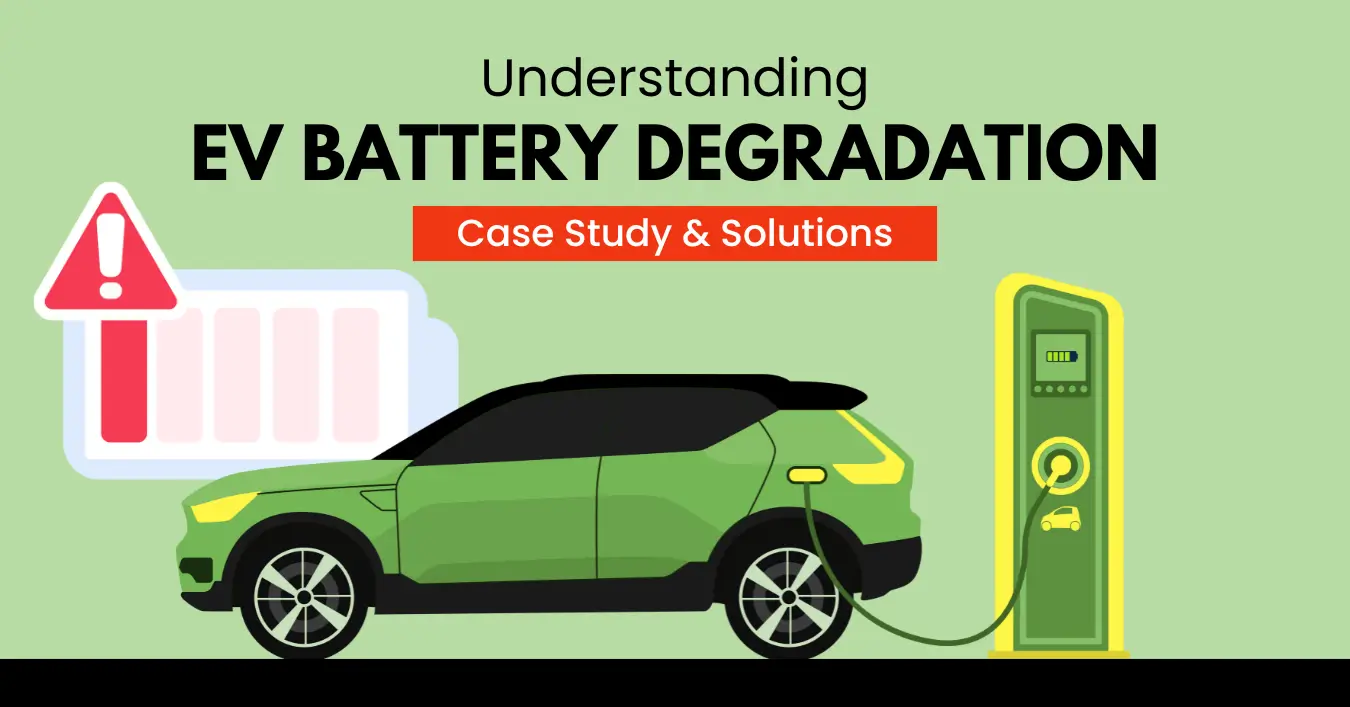
How Thermal Gradients Form and Impact Battery Life
Thermal gradients form when different parts of a battery pack operate at varying temperatures. High charging currents or sustained fast driving often create hotspots near cells that are most active. Even ambient environmental factors like summer heat in Phoenix or subzero winters in Scandinavia can exacerbate temperature differences. Over time, these gradients place uneven stress on the battery, accelerating wear in the hotter or cooler sections.
The consequences of uncontrolled thermal gradients are significant. Cells that degrade faster than others reduce the overall pack capacity and may trigger protective mechanisms that limit charging speed or range. Drivers might notice slight reductions in driving distance or slower charging rates, but the underlying damage continues silently. By the time performance issues become noticeable, some degradation may already be irreversible.
In markets like Europe and the United States, battery longevity is a critical factor influencing purchase decisions. Customers expect a predictable range and reliable performance, and thermal mismanagement undermines that trust. For OEMs, mitigating thermal gradients is essential to protecting warranties, reducing maintenance costs, and maintaining brand reputation. Software-based thermal management ensures these risks are minimized, keeping batteries healthier for longer.
Software Controls: The Next Frontier of Thermal Management
Modern battery management systems (BMS) do far more than monitor temperature. They integrate predictive software that analyzes driving patterns, ambient conditions, and charging behaviors to anticipate stress before it occurs. This allows the system to preemptively adjust cooling and heating strategies, maintaining a consistent temperature across all cells. Predictive adjustments help minimize the formation of harmful gradients and protect battery chemistry.
For example, during high-speed highway driving, the software may actively cool the cells expected to heat up most, or adjust charge rates when fast-charging under warm conditions. In cold climates, it may redistribute energy to warm cells more evenly, ensuring performance is stable and efficient. These measures operate seamlessly in the background, requiring no action from the driver while significantly extending battery life.
Software controls also enable adaptive learning. Machine learning models process vast amounts of telemetry from fleets of vehicles, identifying patterns that contribute to uneven heating. Over time, the BMS becomes smarter, fine-tuning cooling and charging strategies to the specific behaviors of each vehicle. This dynamic approach enhances battery longevity, reduces warranty risk, and delivers a more reliable driving experience for owners.
Benefits for EV Owners and OEMs
For drivers, effective thermal management translates into tangible benefits: consistent range, reliable charging speeds, and reduced likelihood of unexpected performance drops. By keeping cells at uniform temperatures, software-controlled systems slow degradation, preserving the battery’s value over time. In regions with extreme weather conditions, this technology ensures performance remains predictable across seasons.
OEMs benefit as well. Reduced battery degradation lowers warranty claims and helps control long-term service costs. Advanced thermal management also differentiates brands in the competitive US and EU markets, where consumers increasingly consider reliability and battery health when making purchase decisions. By integrating intelligent software with hardware cooling systems, manufacturers enhance both safety and user confidence.
Fleet operators gain an additional advantage. Vehicles that maintain balanced thermal profiles experience fewer unscheduled maintenance events and longer effective battery life. This increases uptime and improves the total cost of ownership. Combined with cloud analytics, fleets can even predict performance trends and optimize vehicle deployment, turning thermal management into a strategic operational tool.
The Future of Intelligent Thermal Management
Looking ahead, software-driven thermal management will become even more sophisticated. Systems will integrate real-time environmental data, driver behavior, and charging infrastructure conditions to create predictive, adaptive control strategies. Vehicles will self-optimize to maintain optimal temperatures, even under extreme weather or demanding driving conditions.
In the US and EU, regulatory and consumer expectations are also pushing OEMs to make thermal management more transparent. Updates delivered over the air will continuously improve software strategies, helping drivers maintain battery health without manual intervention. This approach ensures a balance between performance, safety, and longevity.
In 2026, managing battery thermal gradients is not just a technical challenge — it’s a cornerstone of EV reliability and customer trust. Software-driven solutions protect batteries from silent degradation, extend lifespan, and ensure drivers enjoy consistent performance. As electric vehicles continue to dominate roads across the US and Europe, intelligent thermal management will remain a key differentiator for OEMs and a vital assurance for drivers.