Driver Monitoring Systems (DMS) are now a central part of modern vehicles, especially in the U.S. and European markets, where semi-autonomous and safety-focused vehicles are becoming mainstream. These systems rely heavily on gaze tracking to detect driver attention, drowsiness, or distraction. In ideal conditions, gaze tracking works exceptionally well, allowing vehicles to alert drivers or intervene in critical situations. However, real-world driving is far from perfect, and factors like sunglasses, glare, reflections, and shifting light conditions often obscure the driver’s eyes. These occlusions present one of the most significant challenges for DMS reliability and performance.
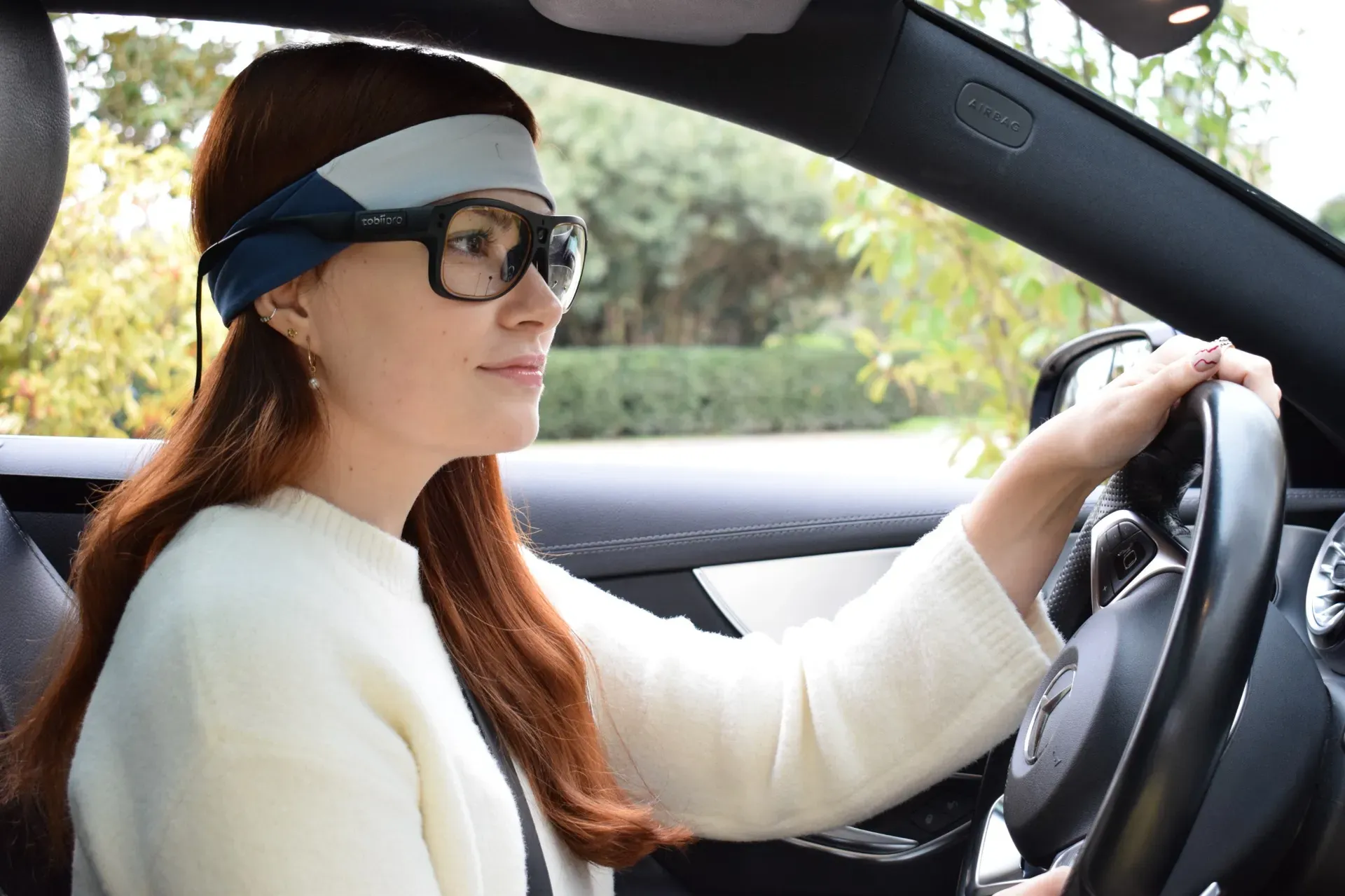
Modern gaze tracking uses cameras, sometimes combined with infrared (IR) lighting, to detect pupils, iris reflections, and head orientation. In controlled environments, these systems can capture subtle eye movements and translate them into accurate gaze direction. Yet, on real roads, lighting constantly changes — from harsh sunlight on open highways to shadows inside tunnels. Even minor shifts in brightness can cause temporary tracking failures. When combined with sunglasses or tinted glasses, the system often loses sight of critical eye features, reducing its ability to assess attention.
Occlusion is not just a technical inconvenience; it directly affects safety. When a system cannot accurately track gaze, it may fail to alert a distracted or drowsy driver in time. This is especially concerning in semi-autonomous vehicles, where driver readiness is crucial for taking control when automation reaches its operational limits. The reliability of gaze tracking under occlusion is therefore a major concern for automakers, regulators, and drivers.
Understanding Occlusion in Gaze Tracking
Occlusion occurs when something partially or fully blocks a driver’s eyes, preventing accurate tracking. Sunglasses are the most common source of occlusion, particularly in bright conditions or sunny regions across Europe and the U.S. Dark lenses, polarized coatings, and mirrored surfaces all reduce the system’s ability to detect pupils or iris reflections, directly affecting gaze estimation accuracy.
Glare presents a similar challenge. Sunlight reflecting off the windshield, metallic surfaces, or wet roads can saturate camera sensors, washing out important eye features. Sudden transitions, such as driving in and out of tunnels or passing under bridges, further complicate image capture. Many DMS cameras struggle to adjust to these fast-changing lighting conditions, causing temporary lapses in gaze detection.
Other occlusions include eyeglasses, hats, or even steering wheel shadows. When eyes are partially hidden, systems often attempt to infer gaze from head pose or facial orientation, which is less precise than direct eye tracking. These limitations demonstrate why occlusion is a critical problem that cannot be solved by algorithms alone and requires innovation in both hardware and software.
Advanced Solutions for Occlusion Challenges
Automotive researchers are developing occlusion-aware DMS to improve tracking when eyes are partially hidden. One approach uses deep learning algorithms trained to recognize gaze patterns even when pupils are obscured. By analyzing the positions of facial landmarks and head orientation, these systems can infer where a driver is looking, maintaining reliability even with sunglasses or glare.
Infrared-enhanced cameras are another solution. IR imaging can penetrate some forms of occlusion, such as tinted lenses, better than standard visible-light cameras. Combining IR with traditional RGB cameras allows the system to capture richer eye data, improving gaze estimation under varied lighting. This multi-sensor approach is gaining traction in new vehicle models in both the U.S. and EU markets.
Sensor fusion is also being applied to tackle occlusion. By combining gaze information with contextual vehicle data, such as steering behavior, lane position, and road context, the system can build a more comprehensive understanding of driver attention. Even if gaze tracking temporarily fails, the vehicle can use these secondary indicators to maintain safety interventions.
Real-World Implications for Automakers
Occlusion challenges directly impact how manufacturers design and validate DMS. Cameras must be placed strategically in the cabin to minimize blind spots while maintaining aesthetics and comfort. Interior design, lighting conditions, and varying driver heights all influence camera performance and require rigorous testing before production.
DMS accuracy affects regulatory compliance and safety ratings. In Europe, systems are assessed under varying conditions, including occlusions and glare, to ensure reliability. Similarly, in the U.S., consumer safety expectations are driving automakers to adopt systems that work under real-world conditions, not just laboratory environments. Failing to account for occlusion can compromise both regulatory approval and consumer trust.
Consumer acceptance is also a key factor. Drivers expect DMS to function seamlessly regardless of sunglasses, hats, or changing light conditions. Clear communication about system capabilities and limitations is essential. When drivers trust that the system can handle everyday challenges, adoption increases, and safety outcomes improve.
The Future of Gaze Tracking
By 2026, gaze tracking systems will continue evolving to address occlusion challenges. Advanced AI algorithms, multi-sensor integration, and adaptive lighting compensation are expected to improve reliability under real-world conditions. Manufacturers are exploring technologies like 3D cameras, Time-of-Flight sensors, and improved IR imaging to capture accurate eye data even under difficult scenarios.
The combination of hardware innovation and software intelligence is key. Systems will become better at interpreting partial data, using contextual clues to maintain driver attention assessment. This evolution will be critical as semi-autonomous features expand, where the driver’s engagement remains a safety linchpin.
Ultimately, overcoming occlusion is about bridging the gap between laboratory performance and real-world driving. Vehicles equipped with reliable gaze tracking, even under sunglasses or glare, will enhance safety, boost consumer confidence, and pave the way for more advanced automated driving features. The road ahead for DMS is challenging, but the potential impact on driver safety is profound.