

Driver Monitoring Systems (DMS) are becoming an essential part of modern vehicles across the U.S. and European markets. No longer optional luxury features, these systems track driver attention, detect drowsiness, and ensure engagement when vehicles operate in semi-autonomous modes. By 2026, compliance with DMS regulations will be mandatory in many markets, reshaping vehicle design and safety standards. Automakers and suppliers now face the dual challenge of meeting strict regulatory requirements while creating systems that drivers trust and feel comfortable using.
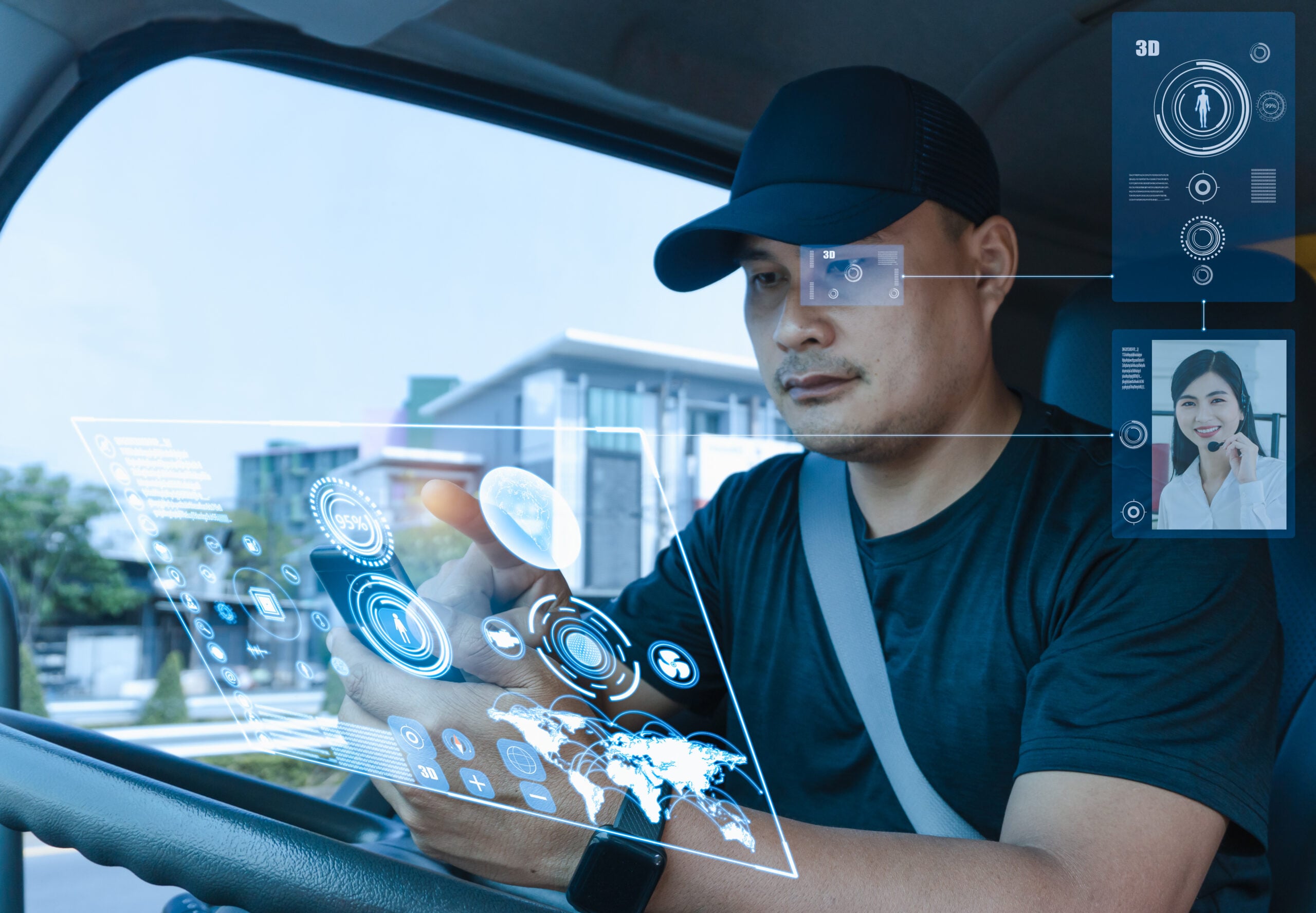
Modern DMS combines in-cabin cameras, infrared sensors, and intelligent software to monitor head position, eye gaze, and facial orientation. Unlike early ADAS features, which relied on steering or pedal movement alone, these systems evaluate human behavior to ensure drivers remain alert. In real-world driving, distractions or fatigue can appear subtly, and DMS provides real-time alerts before an unsafe situation occurs. For semi-autonomous vehicles, this monitoring is critical: the technology ensures drivers are ready to take control when automation reaches its operational limits.
The push for DMS is not only safety-driven but also regulatory. Both the EU and U.S. are emphasizing driver monitoring as part of broader efforts to enable safe semi-autonomous driving. Manufacturers that fail to comply risk penalties, limited market access, and lower safety ratings. At the same time, consumers increasingly demand vehicles that offer reliable safety features, making DMS both a regulatory requirement and a market differentiator.
Regulatory Pressures in the U.S. and Europe
In Europe, the EU General Safety Regulation (GSR) mandates that vehicles detect driver distraction and drowsiness by 2026. All new vehicles, including entry-level models, must integrate DMS that evaluates driver engagement in real time and provides timely warnings. This approach emphasizes measurable safety outcomes over the type of sensors used, pushing automakers to focus on performance and reliability under real-world conditions.
The U.S. market is following a similar trajectory, driven by agencies such as NHTSA and industry recommendations. While U.S. regulations are not yet as prescriptive as Europe’s, manufacturers are voluntarily integrating camera-based DMS in semi-autonomous vehicles. The goal is to verify that drivers remain attentive when hands-free driving is possible, reducing accidents caused by fatigue or distraction. Consumer expectations are also shaping adoption, as safety-conscious buyers increasingly prioritize driver monitoring capabilities in vehicle selection.
Global harmonization of standards, led by initiatives like the UNECE WP.29, is simplifying compliance across regions. Manufacturers can adopt a unified framework for vehicles sold in multiple markets, streamlining development and reducing redundant testing. These regulations also define data collection, privacy, and performance metrics, ensuring that DMS technology protects drivers while remaining effective in real-world driving conditions.
Product Implications for Automakers
Compliance with DMS regulations introduces significant product design challenges. Systems must perform reliably in diverse lighting, weather, and driver scenarios, minimizing false alerts while ensuring real threats are detected. Performance in safety tests, such as those conducted by Euro NCAP, directly affects vehicle ratings, incentivizing automakers to invest in robust hardware and intelligent AI algorithms.
Integrating DMS also impacts vehicle interiors. Cameras and sensors must be unobtrusive, ergonomically placed, and compatible with driver seating positions and cabin design. Sensors must function under various conditions, from drivers wearing sunglasses or hats to night driving and bright sunlight. Meeting these requirements demands careful engineering, advanced sensor fusion, and rigorous validation.
Additionally, DMS integration affects vehicle computing and connectivity architecture. In-cabin sensors must transmit data securely to processing units in real time while respecting privacy laws like GDPR in Europe. Manufacturers must balance performance, data security, and cost, ensuring that systems protect driver privacy while delivering reliable safety insights.
Market Trends and Consumer Impact
As 2026 approaches, DMS adoption is accelerating across all vehicle segments. Europe is leading in regulatory-driven adoption, while the U.S. is catching up through voluntary integration and market demand. Entry-level cars, luxury sedans, and commercial vehicles alike are incorporating driver monitoring to comply with regulations and improve safety ratings.
Insurance and fleet operators are also beginning to use DMS data to improve driver safety and reduce risk. Real-time monitoring can provide insights into driver behavior, offering rewards for safe driving or alerts for high-risk behavior. Consumers benefit from enhanced safety and potentially lower insurance premiums, creating an ecosystem where DMS adoption has both regulatory and economic incentives.
Consumer perception remains critical. Many drivers appreciate the safety benefits but have privacy concerns regarding in-cabin cameras. Transparent communication about how data is used, stored, and protected is essential to building trust. Manufacturers must ensure that DMS systems are seen as safety tools rather than intrusive surveillance devices, which can directly influence adoption and brand reputation.
The Road Ahead for DMS
By 2026, DMS will be a standard feature rather than a premium add-on, forming a foundational element of safe semi-autonomous driving. Future developments may expand in-cabin monitoring to include occupancy detection, fatigue management, and early health indicators, further integrating driver safety with vehicle intelligence.
Automakers must focus on creating intuitive, reliable systems that work seamlessly across markets. Compliance drives innovation in AI, computer vision, and sensor integration, while regulatory alignment ensures systems perform safely across diverse conditions. Successful DMS implementation can enhance brand reputation, improve safety ratings, and increase consumer trust in semi-autonomous features.
Driver Monitoring Systems in 2026 represent more than regulatory compliance; they are a cornerstone of the next generation of vehicle safety. By understanding compliance pressures and product implications, automakers can deliver technology that is both effective and widely trusted. In the U.S. and EU, the vehicles that get DMS right will define the future of safe, intelligent driving.


