In today’s fast-paced logistics and transportation industry, driver safety is a top priority for fleets across the US and EU. With increasing regulations, stricter insurance requirements, and growing public scrutiny, companies can no longer treat safety as optional. A single accident can lead to high costs, damaged reputation, and legal liabilities. Modern fleets are recognizing that investing in structured driver safety programs is not just a compliance exercise but a strategic initiative that protects drivers, vehicles, and business operations. These programs directly impact fleet efficiency, insurance premiums, and overall operational performance, making safety a measurable business advantage.
The rise of data-driven monitoring tools has transformed how fleets manage safety. Traditional approaches like training sessions and manual reporting are being supplemented, and in many cases replaced, by technology-driven solutions. Advanced systems allow companies to continuously monitor driving behavior, provide actionable feedback, and intervene before risky behaviors lead to accidents. In both urban and highway environments, these programs offer fleets visibility into performance that was previously impossible, giving managers the tools to reduce accidents and improve driver accountability.
Understanding Camera-Based Safety Systems
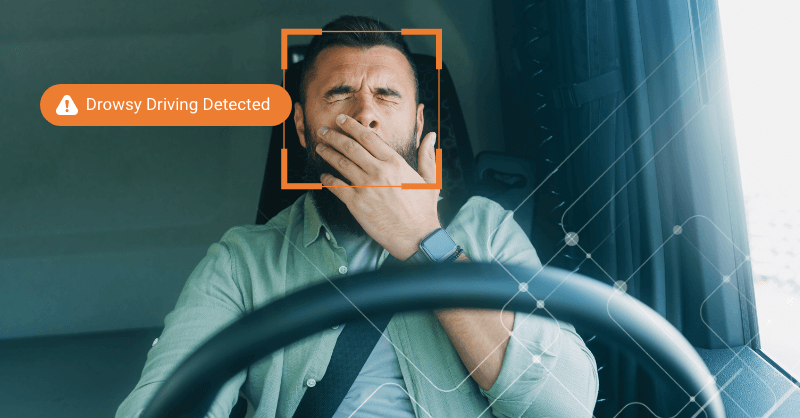
Camera-based safety systems have quickly become a cornerstone of modern fleet safety programs. These systems use forward-facing, inward-facing, or surround-view cameras to capture both the road environment and driver behavior. Forward-facing cameras track lane departures, tailgating, or sudden braking, while inward-facing cameras monitor driver attention and fatigue. Combined with AI analytics, these systems can alert drivers in real time and provide post-trip reports to fleet managers, enabling targeted coaching interventions.
One of the key advantages of camera-based systems is the richness of visual data. Footage can serve as evidence during accident investigations or insurance claims, offering clarity and accountability. Drivers are often more mindful when aware of camera monitoring, improving behavior over time. Cameras can also detect subtle risks that sensors may miss, such as distracted driving due to mobile device use or drowsiness. In fleets where driver coaching and behavior modification are a priority, camera-based solutions deliver measurable improvements in both safety and operational culture.
How Sensor-Based Safety Systems Work
Sensor-based safety programs use technologies like radar, ultrasonic sensors, and LiDAR to monitor vehicle surroundings and dynamics. These systems are designed to measure proximity, speed, and potential collision threats, allowing vehicles to respond automatically in some cases. Features such as adaptive cruise control, lane-keeping assistance, and automatic emergency braking rely heavily on sensor data to reduce accident risks. Unlike cameras, sensors function reliably in low-light, fog, or heavy rain, ensuring consistent performance in a variety of conditions.
Sensors excel in environments where reaction time is critical. They can trigger real-time interventions to prevent collisions before the driver even notices a hazard. For long-haul fleets in the US or European highways, where high-speed collisions are more likely, sensor-based systems provide a critical safety layer. Additionally, these systems are often less reliant on human interpretation, allowing vehicles to act autonomously when necessary. For fleets operating in harsh weather or across varied terrains, sensor technology can offer a dependable safety net.
Comparing Camera and Sensor Tradeoffs
Both camera-based and sensor-based safety systems offer unique advantages, and the choice depends on fleet priorities. Camera-based programs provide rich behavioral insights and documentation for coaching and dispute resolution, making them ideal for fleets focused on reducing risky driving habits. The visual evidence can also support insurance claims and regulatory compliance, enhancing fleet accountability. However, cameras can be limited in low visibility or extreme weather conditions, which may affect real-time alerts and accuracy.
Sensor-based programs provide consistent performance in diverse conditions, delivering automatic safety interventions when milliseconds matter. These systems excel at collision avoidance and assistive driving functions, which is critical for highway fleets or operations in poor weather. The downside is that sensor data lacks contextual visual information, making post-incident analysis or behavioral coaching less straightforward. The ideal approach for many fleets is a hybrid system that combines camera insights with sensor reliability, providing a comprehensive safety solution that maximizes both behavior monitoring and accident prevention.
Operational Benefits Beyond Safety
Investing in advanced safety technologies does more than reduce accidents; it has a direct impact on operational efficiency and costs. Fleets that implement camera or sensor-based programs often see lower insurance premiums due to reduced risk exposure. Driver retention improves as employees feel supported and protected in their roles. Safety systems can also improve routing efficiency and reduce downtime by preventing collisions that disrupt operations. In the competitive US and EU logistics markets, these programs provide both financial and reputational benefits.
Safety data generated by these technologies allows managers to identify patterns, optimize driver schedules, and implement targeted training programs. Over time, the insights from camera and sensor systems lead to measurable improvements in fleet performance. Drivers become more accountable, insurance costs decrease, and maintenance demands fall due to fewer accidents. For companies operating large fleets, these operational gains can translate into millions of dollars saved annually, making safety programs not just protective measures but strategic business investments.
The Future of Fleet Driver Safety
The evolution of fleet driver safety programs is heading toward more intelligent and integrated solutions. Advances in AI, machine learning, and sensor fusion are enabling systems that combine the strengths of both cameras and sensors. Fleets in the US and EU are increasingly adopting hybrid platforms that monitor driver behavior while delivering automated interventions in real time. Regulatory pressures and customer expectations are accelerating this trend, pushing companies to adopt proactive safety measures rather than reactive ones.
Ultimately, the choice between camera-based and sensor-based programs is driven by fleet goals, operating conditions, and budget constraints. Some companies prioritize behavioral coaching and accountability, while others focus on automated intervention for high-speed or adverse-weather operations. Hybrid systems are emerging as the most effective approach, providing comprehensive coverage that enhances both safety and operational efficiency. By investing in the right mix of technology, fleets can protect drivers, reduce costs, and maintain a competitive edge in the modern transportation market.
This blog highlights how understanding the tradeoffs between camera and sensor technologies can help fleets design safety programs that deliver measurable results, strengthen compliance, and foster a culture of safety that benefits everyone on the road.