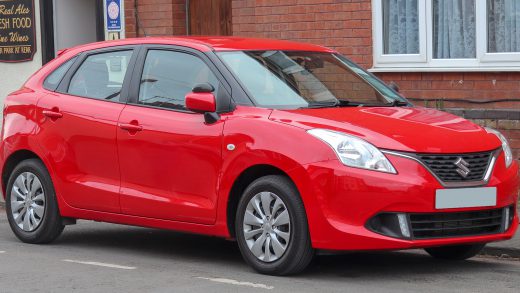
Even in a world dominated by digital retailing, the test drive remains the emotional turning point of the car-buying journey. Customers may research online, compare features, and calculate financing from home, but the real decision often happens behind the wheel. The sound of the engine, the comfort of the seats, and the feel of the steering create confidence that no website can replicate. For dealerships across the US and EU, this moment is where serious buyers are separated from casual browsers. Yet many dealers still manage this crucial step using outdated manual systems.
In competitive automotive markets like California, Texas, Germany, and France, small inefficiencies can cost thousands in lost revenue. Missed calls, delayed responses, and double bookings lead to frustrated customers who quickly move to another dealer. Modern buyers expect instant booking just like they do for flights, hotels, or restaurant reservations. If scheduling a test drive feels complicated, many prospects simply drop off. That is why automation is quickly becoming a strategic necessity rather than an optional upgrade.
The Power of Automated Scheduling
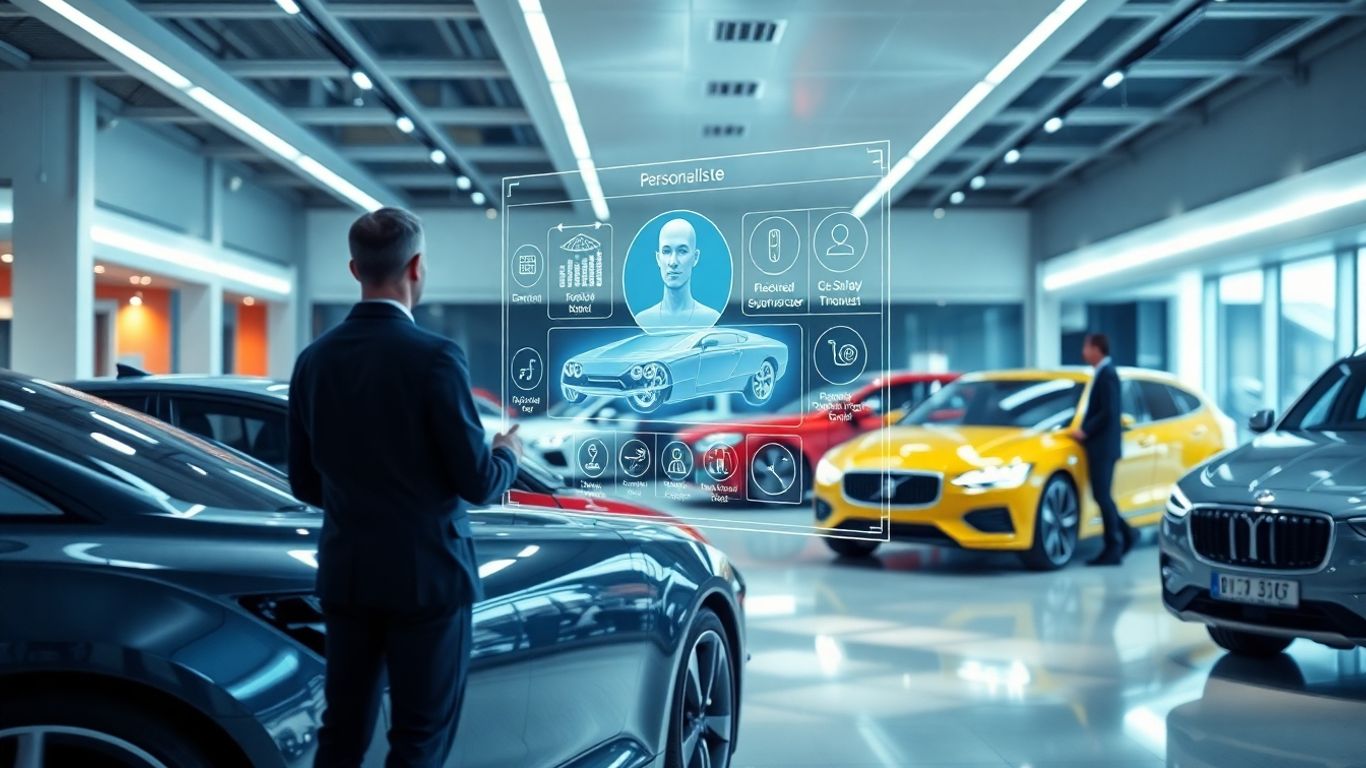
Automated test-drive scheduling transforms the way dealerships capture and convert leads. Instead of relying on phone calls and manual calendar entries, dealers can integrate smart booking tools directly into their websites and mobile platforms. Customers can choose their preferred vehicle, date, and time within seconds, even outside regular business hours. This 24/7 accessibility dramatically increases booking rates and improves overall lead quality.
In the US market, where online vehicle shopping continues to rise, instant scheduling aligns perfectly with consumer expectations. In the EU, where urban mobility and busy lifestyles shape buying behavior, convenience plays an equally important role. Automated confirmations, reminders, and calendar syncing reduce no-shows and last-minute cancellations. By minimizing friction, dealerships create a smoother path from online interest to in-person engagement.
Intelligent Routing That Enhances the Experience
Automation does not stop at booking an appointment; routing technology adds another layer of optimization. Intelligent routing systems can provide customers with real-time directions based on traffic, road conditions, and even weather forecasts. This ensures they arrive on time and in a relaxed mindset, ready to focus on the vehicle rather than parking stress. A smooth arrival experience can positively influence the entire interaction.
For dealerships in large metropolitan areas like Los Angeles, London, or Madrid, traffic congestion can seriously disrupt appointment schedules. Smart routing helps prevent delays that throw off the day’s workflow. Some systems even allow dealers to design suggested test-drive routes that highlight vehicle performance, comfort, or advanced driver-assistance features. This creates a more controlled and impactful product experience that supports higher close rates.
Boosting Lead Quality and Close Rates
One of the biggest advantages of automated test-drive systems is improved lead intelligence. When customers book online, they often provide valuable data about their preferred model, budget range, financing interest, and timeline. This information feeds directly into CRM systems, allowing sales teams to prepare tailored conversations before the customer arrives. Instead of generic pitches, staff can deliver personalized experiences that resonate immediately.
Higher intent leads naturally lead to better conversion rates. Customers who actively select a date and time are more committed than those who simply submit an inquiry form. Automated reminders via email or SMS keep them engaged and reduce drop-offs between booking and arrival. In both the US and EU, dealerships using digital scheduling tools report stronger showroom traffic quality and shorter sales cycles. This efficiency translates into measurable revenue growth.
Reducing Operational Stress for Dealership Teams
Manual coordination of test drives consumes valuable staff time and increases the risk of human error. Double bookings, misplaced keys, or unavailable vehicles create embarrassing situations that damage trust. Automation centralizes availability, vehicle inventory, and staff assignments into one connected system. This structure improves accountability and ensures every appointment runs smoothly.
Sales consultants benefit significantly from this shift. Instead of handling repetitive scheduling calls, they can focus on relationship building and product expertise. Managers gain clearer visibility into daily appointment flow and staffing needs. Over time, these efficiencies lower operational costs and improve employee satisfaction, which directly impacts customer experience. A well-organized dealership simply feels more professional and trustworthy.
Supporting the Omnichannel Buying Journey
Today’s automotive customer moves seamlessly between digital and physical touchpoints. They might start on a manufacturer’s website, browse listings on a marketplace, and then land on a local dealer’s inventory page. Automated scheduling tools can integrate across these platforms, creating a consistent and connected journey. The easier it is to book a test drive, the less likely a customer is to abandon the process.
In the EU, where cross-border vehicle purchases are common, digital continuity is particularly important. In the US, where online retailing models and home delivery options are expanding, automation supports hybrid buying journeys. Customers appreciate flexibility, whether they prefer in-person visits or partially remote transactions. Dealerships that align automation with digital retail strategies position themselves ahead of slower competitors.
The Future of Dealer Growth
Automated test-drive scheduling and routing are no longer experimental technologies. They are quickly becoming part of the modern dealership growth stack. As AI continues to advance, these systems will integrate predictive analytics, helping dealers anticipate peak demand periods and optimize staffing accordingly. Data-driven insights will refine everything from inventory placement to marketing campaigns.
For dealerships across the US and Europe, the message is clear. Growth will come from blending digital convenience with human connection. Automated systems handle logistics and efficiency, while skilled sales professionals deliver empathy and expertise. When these elements work together, the result is a seamless, high-converting customer journey. In a market where experience drives loyalty, automation is not just a tool — it is a competitive advantage that fuels long-term success.