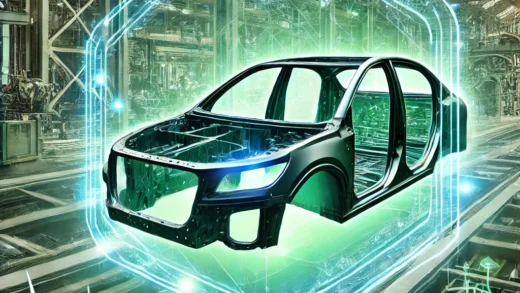
The automotive industry across the United States and Europe is entering a new era where vehicles are no longer just mechanical assets but rolling data platforms. Connected fleets now generate vast amounts of real-time information from sensors, telematics systems, onboard diagnostics, and driver inputs. Yet for many OEMs and fleet operators, the challenge has not been collecting data, but turning that data into meaningful engineering decisions. This is where Operational Digital Twins are transforming the conversation. They bridge the gap between what happens on the road and what happens in the engineering lab, creating a continuous intelligence loop that reshapes how fleets are designed, managed, and optimized.
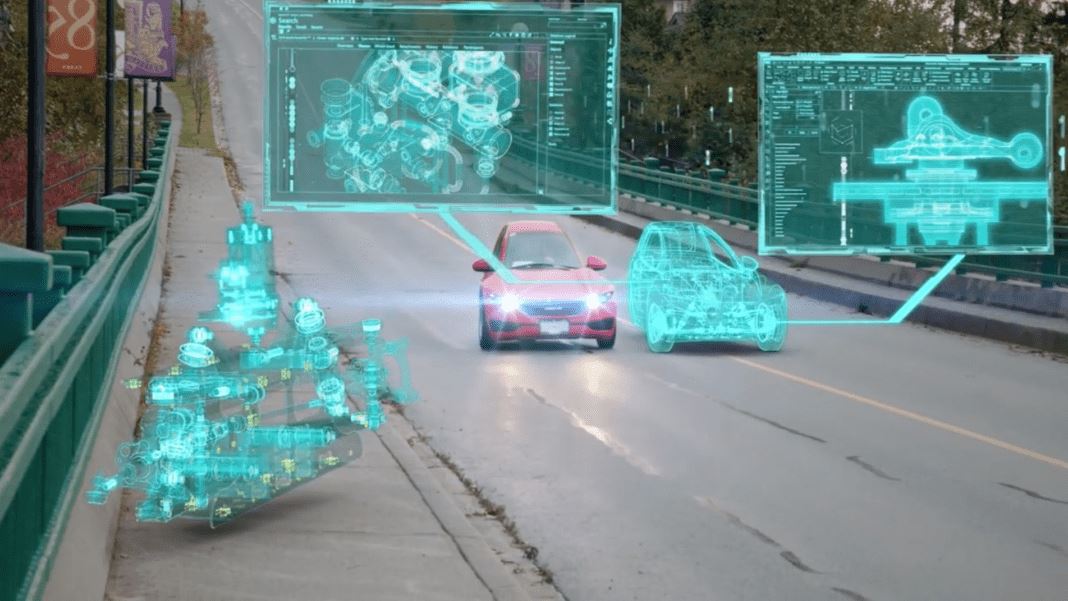
An Operational Digital Twin is essentially a dynamic digital replica of a real-world vehicle or fleet system. Unlike traditional simulations that rely on assumptions, these twins evolve continuously using live operational data. Every mile driven, every braking event, every battery charge cycle feeds into a digital model that mirrors reality with remarkable accuracy. For US and EU markets facing intense competition, regulatory pressure, and electrification goals, this technology provides a practical path to smarter decisions and measurable performance gains.
Turning Fleet Data into Engineering Intelligence
For decades, engineering teams relied on controlled testing environments and limited field reports to refine vehicle designs. While effective, this approach often missed the complex and unpredictable realities of daily fleet operations. Operational Digital Twins change that by embedding real-world feedback directly into engineering workflows. When hundreds or thousands of vehicles report performance patterns, anomalies, or wear trends, engineers gain access to real operational truth rather than assumptions.
This data-driven feedback loop is particularly powerful in high-utilization fleets such as logistics, last-mile delivery, and mobility services. If a braking component consistently shows accelerated wear in urban stop-and-go environments, the digital twin highlights the trend early. Engineering teams can then redesign, recalibrate, or adjust material choices in future production cycles. The result is faster iteration, reduced warranty exposure, and vehicles that are better aligned with real customer usage patterns across both North American highways and European city centers.
Predictive Maintenance That Reduces Downtime
Fleet operators in the US and EU understand that downtime is one of the biggest cost drivers in their business. Traditional maintenance models often rely on fixed service intervals or reactive repairs after a fault occurs. Operational Digital Twins shift the paradigm toward predictive maintenance, where potential failures are identified before they disrupt operations. By analyzing patterns in engine performance, battery health, thermal behavior, and vibration data, digital twins detect subtle deviations long before they become visible issues.
This proactive approach delivers measurable value. Vehicles spend less time in workshops, spare parts inventory becomes more predictable, and service schedules can be optimized around actual usage conditions rather than generic assumptions. For electric fleets expanding rapidly across Europe due to stricter emissions policies, digital twins are especially critical. Monitoring battery degradation in real time allows operators to maximize lifespan while ensuring reliability, supporting both sustainability targets and cost efficiency.
Supporting Electrification and Sustainability Goals
Electrification is reshaping the automotive landscape in both the EU and US markets. Governments are introducing stricter emissions standards, incentives for EV adoption, and ambitious carbon reduction goals. Fleet operators are under pressure to decarbonize while maintaining profitability. Operational Digital Twins offer a practical mechanism to balance both objectives. They simulate how route selection, charging patterns, driving behavior, and environmental conditions affect energy consumption and overall performance.
Through continuous analysis, digital twins help fleets optimize charging schedules, reduce idle time, and improve route efficiency. Engineering teams can also analyze aggregated fleet data to refine battery management systems and energy recovery strategies in future vehicle models. This creates a powerful sustainability loop where real-world operational data directly influences greener vehicle design. Instead of relying solely on lab-based efficiency testing, manufacturers gain insight into how vehicles truly perform under varied climatic and traffic conditions across different regions.
Enabling AI-Driven Decision Making
The true power of Operational Digital Twins emerges when artificial intelligence is layered onto the data ecosystem. Machine learning models analyze millions of data points to identify patterns that human analysts might overlook. This allows fleets to move from reactive management to intelligent automation. Decisions about vehicle allocation, maintenance timing, route optimization, and energy management become data-informed and continuously refined.
In practical terms, this means a fleet manager in Germany or the United States can receive real-time recommendations based on predictive analytics rather than intuition. Engineering teams can simulate “what-if” scenarios before implementing design changes, reducing risk and accelerating innovation cycles. As vehicles become increasingly software-defined, digital twins become central to over-the-air updates and performance improvements, ensuring that vehicles improve over time rather than degrade.
Competitive Advantage in a Data-Driven Market
Operational Digital Twins are not just a technology upgrade; they represent a strategic advantage. Fleets that adopt this model gain deeper operational visibility, stronger cost control, and faster adaptation to market changes. OEMs benefit from shortened development cycles, improved reliability metrics, and stronger alignment between product design and real-world usage. In competitive US and EU markets, where margins are tight and expectations are high, these advantages can define market leadership.
The broader digital transformation of mobility continues to accelerate, and Operational Digital Twins are emerging as a cornerstone of that evolution. By connecting fleet reality directly to engineering decisions, they transform everyday operational data into long-term strategic value. As electrification, connectivity, and automation reshape the industry, fleet-linked twins will play a defining role in building smarter, more resilient, and more sustainable mobility ecosystems. For automotive businesses aiming to stay ahead, the message is clear: the future of fleet performance lies not just on the road, but in the intelligence that mirrors it.