As electric and autonomous vehicles evolve into connected digital platforms, cybersecurity has become one of the most important topics in the automotive industry. Tesla, Waymo, Baidu, and every major autonomous-vehicle (AV) developer now face the same reality: modern vehicles are no longer just machines, but software-driven systems vulnerable to cyberattacks.
Because these risks affect public safety, global regulators are stepping in. The United Nations Economic Commission for Europe (UNECE), along with regulatory bodies in the United States and China, has introduced comprehensive cybersecurity standards that profoundly influence how automakers design, test and protect their vehicles. For the US and EU markets especially, these rules represent a turning point in how connected and autonomous mobility will evolve.
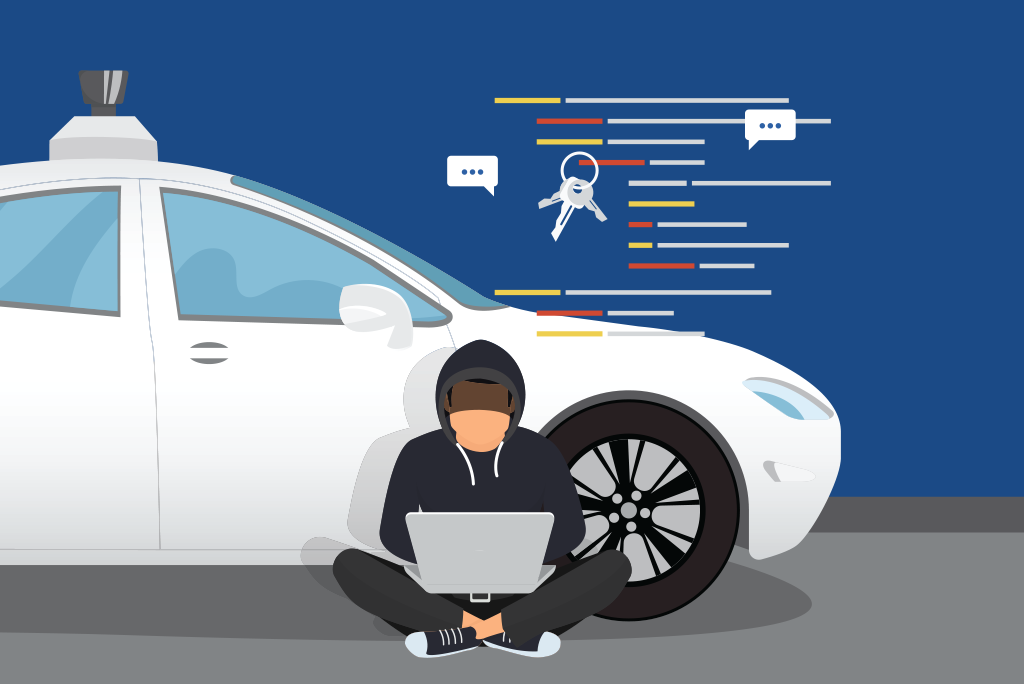
Why Connected and Autonomous Vehicles Are Cyber Targets
Cars have transitioned from mechanical products to intelligent, connected systems. They now contain powerful computers, high-speed connectivity, dozens of sensors, and software that controls everything from braking to steering. For EVs and AVs, software updates and cloud communication are essential for safety improvements and autonomy.
But those same features expand the attack surface. Hackers can target the vehicle’s communication links, infiltrate its control units, or exploit weaknesses in third-party components. Attempts to manipulate camera inputs, disrupt radar signals, or interfere with navigation can create hazardous situations. In more extreme cases, remote takeover of vehicle systems — though rare — has been demonstrated in research environments.
As autonomy advances, the stakes grow higher. A compromised autonomous vehicle isn’t just a malfunctioning gadget; it is a potential safety hazard moving at highway speeds. Protecting these systems has therefore become a global regulatory priority.
UNECE Regulations: A Global Baseline for Cyber Safety
These rules apply to any new vehicle type that receives approval in participating countries, including most of Europe and several major automotive markets worldwide.
Under R155, automakers must implement a Cybersecurity Management System (CSMS) that covers the entire lifecycle of the vehicle. This includes design, manufacturing, risk analysis, penetration testing, monitoring, incident response, and supplier oversight. It requires automakers to demonstrate they can identify and mitigate cyber risks proactively — not just react to incidents.
R156 extends these expectations into software updates, demanding that manufacturers maintain a secure update process, verify software integrity, and document every change. For companies like Tesla, which rely heavily on over-the-air (OTA) updates, these rules formalize the level of diligence required to push software safely to customer vehicles.
UNECE’s framework has effectively become the global foundation for automotive cybersecurity. Even markets that do not enforce these rules directly are adopting similar principles.
How the U.S. Is Shaping Cybersecurity Expectations
The United States does not yet have a single, unified cybersecurity regulation for all vehicles, but the regulatory environment is tightening. Federal agencies are pushing guidelines that emphasize supply-chain scrutiny, software transparency, and strict data-handling practices. Several legislative proposals aim to restrict the use of foreign components or software in connected and autonomous vehicles, citing national-security concerns.
State-level policies and federal safety reviews are also becoming more focused on cybersecurity readiness. AV companies must frequently demonstrate they have robust cyber protections when applying for testing permits or operational licenses.
This regulatory trend signals that cybersecurity will increasingly affect whether a vehicle — or an autonomous system — can enter or remain in the U.S. market. Tesla, domestically headquartered, benefits from familiarity with these expectations, but foreign AV players will face more scrutiny as deployment expands.
China’s Cybersecurity Reality: Rapid, Strict and Evolving
China has implemented some of the world’s strictest data and cybersecurity laws, directly impacting how EVs and AVs operate. Autonomous vehicles must comply with rules governing data storage, mapping, cloud services, and software updates.
Because data is considered a strategic resource, AV companies operating in China — whether domestic or international — must handle mapping data locally and store sensitive information within national borders. Software updates and major algorithmic changes often require regulatory review before deployment, slowing the rapid iteration cycles that autonomous developers rely on.
For Chinese companies such as Baidu or Pony.ai, these frameworks shape product design and operational choices. For Tesla, China’s regulations mean its vehicles must be built with market-specific cyber and data configurations.
What This Means for Tesla and Other AV Leaders
Tesla’s strength in OTA updates, in-house software development, and vertical integration gives it advantages, but the new regulatory environment increases its responsibilities. Every update must meet strict lifecycle-management expectations. Software provenance, supplier security, and incident response processes must be documented.
Waymo, Baidu, and other AV developers face even greater complexity because their systems rely on real-time connectivity, cloud computing, lidar and radar fusion, and high-definition mapping. Cybersecurity is not simply an engineering concern—it becomes integral to whether their services can operate legally across borders.
For all players, cybersecurity is becoming a competitive differentiator. Consumers may soon evaluate vehicles not only by range or performance but by how well their digital safety is managed.
A Cyber-Resilient Future for Autonomous Mobility
The global shift toward cyber regulation may feel challenging, but it is ultimately beneficial. As autonomous capabilities grow, the risks increase, and regulators are ensuring safety keeps pace with innovation.
For the US and EU markets, strong cybersecurity rules help establish public trust—a critical factor for autonomous-vehicle adoption. Companies that embrace these standards early will be better positioned to deploy robotaxis, autonomous freight systems, and intelligent EV platforms at scale.
In a world where vehicles are defined as much by software as by steel, cybersecurity is the new foundation of safety. And the companies that master it—Tesla, Waymo, Baidu, and others—will shape the next era of global mobility.