Electric vehicles are evolving into intelligent, perception-driven machines, and one technology is emerging as a major milestone for safety: on-board pedestrian-intent prediction powered by Edge AI. As EV adoption accelerates across the US and Europe, automakers are looking for ways to strengthen Advanced Driver-Assistance Systems (ADAS) and Full Self-Driving (FSD) capabilities. Moving AI capability to the vehicle itself — instead of relying on cloud processing — enables real-time understanding of pedestrians and vulnerable road users. This shift promises safer streets, smoother autonomous driving, and a major competitive advantage in the growing EV market.
The Rise of Edge AI in Electric Vehicles
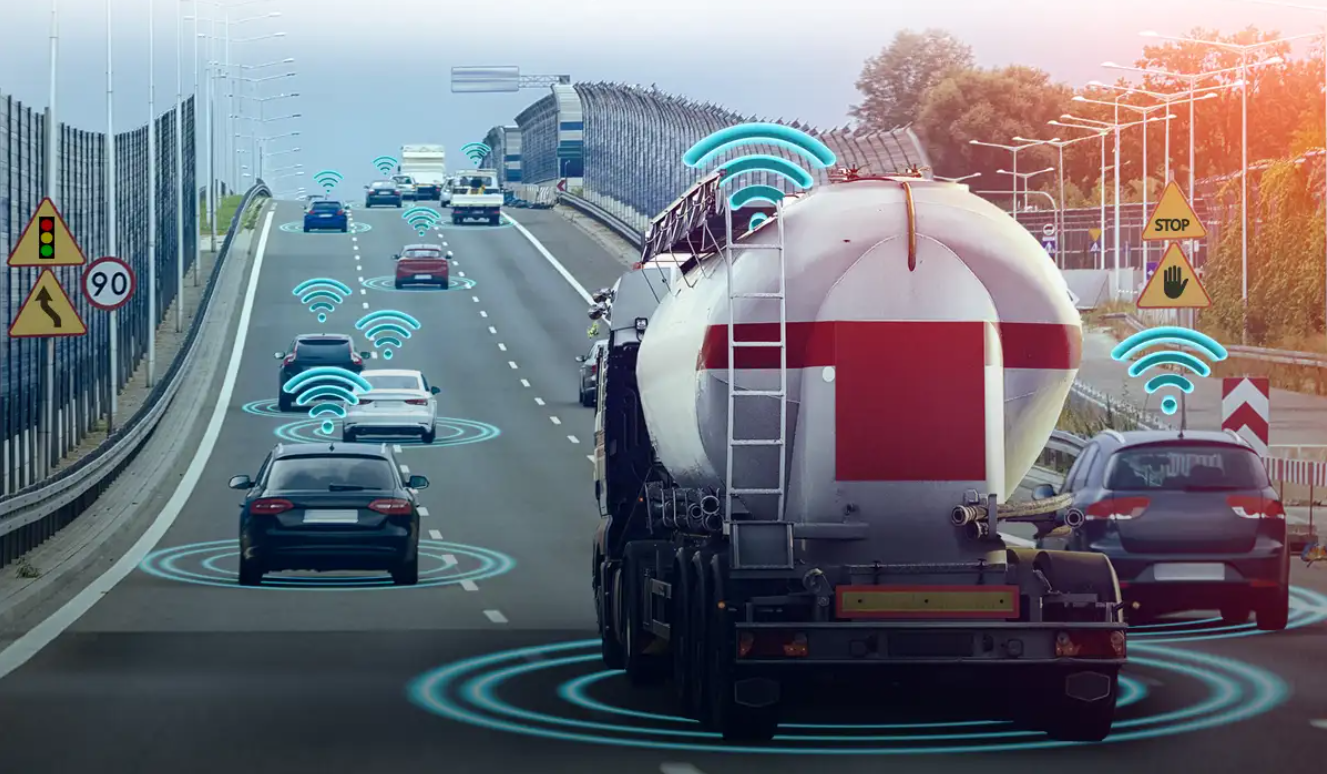
Edge AI describes the practice of processing AI tasks directly on the device rather than sending data to the cloud. In EVs, this means that camera feeds, radar signals, and sensor inputs are analyzed instantly by chips located within the vehicle. This is essential for safety-critical decisions such as emergency braking, steering control, and collision avoidance. Even high-speed cloud connections can’t deliver the millisecond-level responsiveness needed to prevent accidents.
By processing data locally, EVs equipped with Edge AI can navigate complex traffic environments with greater reliability, even when connectivity is poor or absent. This makes the technology especially valuable in dense urban areas, tunnels, rural roads, and unpredictable conditions. As FSD and ADAS systems grow more advanced, the need for immediate, decentralized computing grows with them.
For automakers in the US and EU — from Tesla and BYD to legacy brands modernizing their fleets — integrating Edge AI is becoming a key part of their long-term strategy.
Moving From Detection to Prediction
Most driver-assistance systems today focus on detection. They identify objects such as vehicles, cyclists, and pedestrians, then react if something enters the vehicle’s path. While this is helpful, it is ultimately reactive. A pedestrian may appear safe one moment but step into the street the next, leaving only split seconds for a vehicle to respond.
Pedestrian-intent prediction aims to solve this problem by anticipating what a person might do before the action occurs. Rather than simply recognizing a pedestrian, the system analyzes cues such as posture, gaze direction, walking speed, subtle shifts in body weight, or whether the person is approaching a crosswalk.
It combines this with environmental context — traffic signals, vehicle speed, nearby obstacles — to infer likely behavior. If a pedestrian shows signs of stepping into the road, an EV with on-board Edge AI can slow down earlier, alert the driver sooner, or adjust its trajectory in a smoother and safer way.
This proactive capability is a significant leap forward for both autonomy and human-assisted driving.
Why Pedestrian-Intent Prediction Is Crucial for FSD
For any Full Self-Driving system to be accepted in the US or Europe, it must prove that it can understand and respond to human behavior better than traditional sensor-based systems. Pedestrians are one of the most unpredictable elements on the road. Children running ahead of parents, cyclists weaving through cars, people on mobile phones stepping forward without looking — these are everyday situations that challenge even the most advanced driving algorithms.
Edge-AI–based intent prediction gives FSD a stronger safety foundation by reducing reliance on emergency braking alone. Anticipation makes autonomous driving smoother, more human-like, and more trustworthy. Without prediction, FSD systems risk being overly cautious or overly abrupt, both of which can reduce passenger confidence and increase road risk.
As cities introduce more shared spaces and mixed-traffic environments, the importance of safe interactions between vehicles and pedestrians becomes even more critical.
Strengthening ADAS Safety for Everyday Drivers
Even without full autonomy, pedestrian-intent prediction significantly improves ADAS performance for everyday EV drivers. Features such as forward collision warning, automatic emergency braking, and adaptive cruise control become more effective when powered by predictive intelligence instead of basic detection.
This means fewer false alerts, smoother deceleration, and better control in crowded city streets. The technology can reduce accidents in environments with dense foot traffic — which is especially relevant for European cities and urban centers in the US where pedestrians, cars, and bikes often share the same space.
As more EVs enter the market, these differentiated safety capabilities may become important selling points. Consumers increasingly look for vehicles that feel intelligent, protective, and future-ready.
Engineering and Regulatory Challenges Ahead
The road to widespread adoption is not without obstacles. Predicting human behavior is inherently difficult, and AI models must be trained with vast amounts of real-world data. Different cultures, climates, and city layouts affect how pedestrians behave. European pedestrians may follow traffic signals more closely, while American street behavior varies more by region. Training data must capture this diversity.
Edge AI also demands efficient hardware. Running advanced neural networks on-board requires powerful processors that consume minimal energy — a crucial consideration for EV range. Automakers must carefully balance performance, power consumption, and cooling demands.
Regulation adds another layer of complexity. Safety authorities in the EU and US will require rigorous testing before approving predictive-behavior models on public roads. Manufacturers must demonstrate reliability, transparency, and fail-safe mechanisms.
A Future Where Cars Understand Human Behavior
Despite the challenges, one thing is clear: pedestrian-intent prediction will play a central role in next-generation EV safety. As more EVs adopt end-to-end Edge AI systems, cars will gain a deeper understanding of the human environment around them. This will enhance automated driving, reduce collisions, and increase trust in advanced EV technologies.
In the future, vehicles won’t just see pedestrians — they will understand the subtle cues that predict how they behave. This shift from detection to prediction marks a pivotal advancement for both FSD and ADAS platforms.
For automakers, mastering this technology could become a defining competitive advantage. For consumers, it promises safer streets, smoother rides, and greater confidence in the intelligent EVs of tomorrow.