The automotive world is undergoing a major transformation, and nowhere is the impact more visible than in the workshop. Heavy-duty trucks, buses, delivery vans, and even construction vehicles are moving toward electrification and digitalization. High-voltage battery systems, electric drivetrains, advanced driver-assistance features, telematics, and complex software architectures are now part of the standard design.
For mechanics in the US and Europe, this creates a challenge and an opportunity. Traditionally trained technicians are experts at engines, hydraulics, brakes, and mechanical repairs. But those skills alone are no longer enough. To safely service and repair modern heavy vehicles, mechanics must be comfortable handling high-voltage (HV) systems and diagnosing software-related issues. Upskilling is not optional — it is essential for safety, efficiency, and career longevity.

Understanding the New Skill Set Mechanics Need
Electric and software-integrated heavy vehicles require knowledge far beyond mechanical repair. High-voltage systems operate at levels that can cause severe harm if handled incorrectly. Mechanics must learn safe shutdown procedures, insulated tool techniques, HV battery handling, and electrical fault diagnosis. These safety skills form the foundation of any modern technician’s capabilities.
Beyond safety, mechanics must develop a working understanding of electric drivetrains, battery pack architecture, thermal management, inverters, and regenerative braking systems. Even simple tasks such as diagnosing a performance drop may involve evaluating battery state-of-charge data, software logs, or sensor outputs.
Software literacy is equally important. Heavy vehicles today rely on embedded systems, networked control units, digital dashboards, telematics modules, and remote diagnostics. Mechanics must be able to interpret fault codes, perform software resets, install updates, and troubleshoot communication issues between vehicle systems. Increasingly, repairs involve analyzing data rather than replacing mechanical parts.
Why Traditional Training Doesn’t Go Far Enough
Conventional training programs for mechanics were built around diesel engines, transmissions, suspension systems, and hydraulics. These foundations still matter — heavy vehicles still rely on strong frames, braking systems, and complex mechanical components. However, high-voltage electronics and software systems fall outside the scope of traditional education.
This gap leaves many experienced technicians feeling unprepared for EV fleets entering workshops across the US and Europe. Meanwhile, workshop owners face rising maintenance demand for electric trucks and buses without enough trained staff to support them. Without proper upskilling, workshops risk safety hazards, slower repairs, and increased downtime for fleet customers.
The rapid pace of technological change intensifies the challenge. Vehicle updates often come via over-the-air software patches. Diagnostic systems grow more complex each year. Without continuous training, even recently trained mechanics can fall behind.
Building an Effective Upskilling Strategy
Modern workshops and fleet maintenance teams must embrace continuous learning. Upskilling mechanics should involve a structured combination of theory, hands-on practice, and ongoing updates. High-voltage safety certifications form the starting point. These programs teach technicians how to safely de-energize systems, isolate HV components, and perform diagnostics.
Next comes training in EV drivetrains and power electronics. Hands-on modules that involve safely opening battery units, measuring insulation resistance, and identifying faults give technicians confidence and clarity. Workshops benefit from manufacturer-provided courses, industry-accredited programs, or partnerships with vocational institutions.
Software and diagnostics training is equally important. Mechanics need to understand communication protocols, electronic control modules, diagnostic scanners, and firmware update procedures. Learning how to interpret sensor data, telematics information, and digital fault logs transforms technicians from reactive troubleshooters into proactive diagnostic experts.
Because technology evolves continuously, workshops should schedule annual refreshers or updates whenever major new vehicle systems enter the market. Upskilling should be treated as an ongoing investment, not a one-time event.
Benefits for Workshops, Fleets, and Technicians
Workshops with HV-trained and software-skilled mechanics gain a competitive advantage. As more fleets switch to electric or hybrid heavy vehicles, demand for specialized maintenance grows sharply. Certified technicians can handle advanced repairs that general shops cannot. This allows workshops to expand their service offerings and capture new customers.
Fleets benefit through reduced downtime. Instead of sending vehicles to multiple specialists, they can rely on in-house or partnered workshops equipped to handle both mechanical and electronic issues. Diagnostics become faster, safety improves, and overall maintenance costs decrease.
For mechanics themselves, upskilling unlocks career opportunities. HV and EV technicians are in high demand across Europe and the US. Mastering both electrical and software systems future-proofs their careers and positions them as indispensable experts in a rapidly evolving industry.
The Future of Heavy Vehicle Maintenance
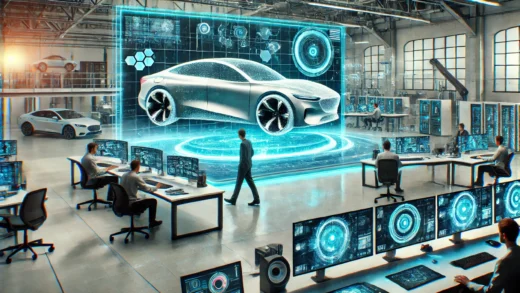
As electrification accelerates, workshops will increasingly function more like technical labs than traditional garages. Diagnostics will rely on tablets and data logs as much as wrenches and lifts. Software troubleshooting and HV safety protocols will become everyday tasks.
In the years ahead, heavy vehicles will integrate even more digital systems, from predictive maintenance algorithms to autonomous capability modules. Technicians who embrace upskilling today will be ready to support the next generation of connected, electric, and intelligent heavy vehicles.
Conclusion: Upskilling Is the Key to a Modern, Safe, and Efficient Workshop
The future of heavy vehicle maintenance relies on a skilled workforce able to manage high-voltage systems, interpret complex software, and maintain the mechanical foundations of commercial vehicles. Upskilling is the bridge between the diesel era and the electric, data-driven future.
Workshops that invest in training today will operate more safely, serve customers more reliably, and lead the transition toward a cleaner, smarter transportation landscape. Mechanics who evolve with the industry will not only stay relevant — they will shape the future of heavy-vehicle service for decades to come.