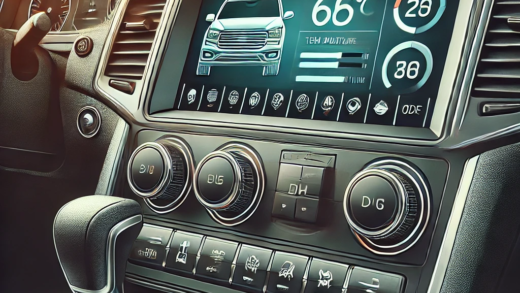
The automotive world is changing faster than at any point in its history. Vehicles that once relied primarily on mechanical engineering now depend on advanced software, artificial intelligence, and high-performance chips. Electric vehicles, autonomous systems, connected services, digital dashboards, and over-the-air updates have pushed automakers into the same talent arena as Silicon Valley.
This shift has created a fierce competition across the US and Europe for engineers and specialists who understand machine learning, embedded systems, semiconductor design, cloud computing, and vehicle cybersecurity. The talent shortage is real, and the stakes are high. As cars evolve into software-defined machines, the companies who can attract and retain the best tech talent will lead the future of mobility.

How Automakers Became Tech Talent Competitors
Not long ago, automotive engineering roles focused primarily on mechanical design, combustion engines, drivetrain systems, and manufacturing. Today, the most critical components of a vehicle are digital. Software controls braking, steering, battery management, energy flow, infotainment, and safety systems. AI powers driver-assist features, predictive maintenance, and sensor fusion. Chips manage everything from high-voltage inverters to advanced perception cameras.
This technological shift means automakers now need the same specialists sought by major tech giants. Chip designers who were once exclusively found in semiconductor labs are now essential for developing EV platforms. AI researchers who used to join cloud companies are now designing autonomous driving algorithms. Embedded software engineers are needed everywhere from braking systems to control units.
As a result, automakers are competing directly with global tech firms, consumer electronics makers, aerospace companies, and AI startups for the same scarce pool of talent. The automotive sector, once seen as slow-moving, must now offer fast-paced, cutting-edge work environments to attract digital specialists.
Why Software, AI, and Chip Skills Are in Such Short Supply
The demand for tech talent across industries has risen far faster than supply. Electric vehicle development, AI integration, and semiconductor expansion have all accelerated simultaneously. In the US, tens of thousands of engineering roles remain unfilled each year. Europe faces similar challenges as it works to strengthen its semiconductor industry and reduce reliance on imported chips.
High-voltage systems, advanced sensors, real-time computing, and autonomous features require deeply specialized skills. Chip talent is particularly scarce, as chip design and fabrication demand years of education and hands-on experience. Meanwhile, AI talent faces global competition, with companies offering salaries and incentives that rival top finance or tech firms.
This shortage affects not only new vehicle development but also production, testing, software updates, and ongoing support. Without enough skilled workers, companies risk slower innovation cycles, delayed vehicle programs, and increased dependence on external suppliers.
How Companies Are Competing — And What’s Working
To win the talent war, automotive companies are transforming their approach to recruitment and retention. Higher salaries alone are no longer enough. Firms now offer stock options, hybrid schedules, remote work opportunities, and the chance to work on high-impact projects. Career growth, modern work cultures, and flexible working models have become essential tools for attracting top-tier engineers.
Many automakers are investing heavily in in-house tech hubs to create environments that feel more like software development studios than traditional manufacturing sites. Some partner with universities to build talent pipelines or sponsor research labs focused on AI and mobility technologies. Others host hackathons, innovation challenges, or open-source programs to engage digital talent outside their immediate workforce.
Reskilling and upskilling programs are also becoming essential. Instead of only hiring new specialists, companies are training existing mechanical or electrical engineers to work on software, EV systems, or embedded computing. This approach expands the talent pool, builds loyalty, and reduces long-term hiring pressure.
Why Talent Strategy Is Now a Competitive Advantage
Automotive companies that build strong software, AI, and chip teams gain huge strategic advantages. They can develop new features faster, launch EV platforms earlier, and keep more intellectual property in-house. They can also respond more quickly to cyber threats, supply chain risks, and changing customer expectations.
For EV makers, chip experts ensure secure and flexible control systems. For autonomous driving teams, AI specialists accelerate algorithm development and improve safety. For connected services teams, software engineers enable seamless updates that keep vehicles fresh long after they leave the factory.
On the other hand, companies that struggle to hire or retain talent may experience delays, higher costs, and increased reliance on third-party suppliers. In a world where technology defines market leadership, talent gaps can become business risks.
The Future: Building an Ecosystem of Skills
The long-term solution to the talent shortage requires more than aggressive hiring. The US and Europe must develop stronger education pathways in electronics, AI, and computer science. Companies must continue expanding apprenticeships, coding academies, and certification programs. Governments and industry groups will need to support STEM initiatives, mobility innovation hubs, and workforce development programs.
Cross-disciplinary skills will become increasingly valuable. Engineers who understand both hardware and software, or both mechanical systems and AI algorithms, will be especially sought after. These hybrid skill sets will define the next generation of mobility innovators.
Conclusion: The Talent War Shapes the Future of Mobility
The competition for software, AI, and chip skills is reshaping the automotive landscape. Vehicles are becoming computers on wheels, and talent is the new horsepower driving innovation. Automakers and suppliers that invest in people — not just technology — will lead the industry into its next era.
The future of mobility depends on winning the talent war, building stronger training pathways, and creating workplaces that attract the brightest minds. For companies that adapt quickly, this moment presents an opportunity to redefine what the automotive industry can achieve.