Electric pickups are entering a new era, and the competition is heating up fast. Whether in North America—where trucks dominate highways and job sites—or in Europe, where utility vehicles are rapidly electrifying, EV pickups are no longer fringe experiments. They’re becoming serious contenders. Two technologies are shaping this new battlefield: towing capability and bi-directional power. These features are not just add-ons but fundamental selling points that define what the next generation of electric pickups can deliver.

EV Towing Enters a New Phase
For decades, towing capacity has been the defining measure of a truck’s usefulness. When EV pickups first began to appear, skepticism grew around whether an electric drivetrain could match the raw torque, range and endurance of diesel or gasoline models. Today, that skepticism is fading. Electric motors produce instant torque, giving EV pickups a natural advantage when pulling heavy loads from a standstill. This instant low-end power provides smoother launches and more controlled acceleration, especially useful when hauling trailers or equipment.
Still, towing with an EV introduces new challenges. A loaded trailer places significant demand on the battery, and range drops faster than in a combustion truck. For drivers in the US, where long-distance towing is common, or in Europe’s expanding recreational towing market, this is an important factor. Manufacturers are responding with larger battery packs, dual- and tri-motor configurations, advanced cooling systems and predictive towing assistance features. These systems help optimize energy use, adjust torque distribution and even estimate real-world towing range more accurately.
The result is an emerging class of electric pickups that can realistically handle demanding towing tasks while still offering the benefits of quiet operation, smooth acceleration and lower running costs.
Bi-Directional Power: Changing What a Truck Can Do
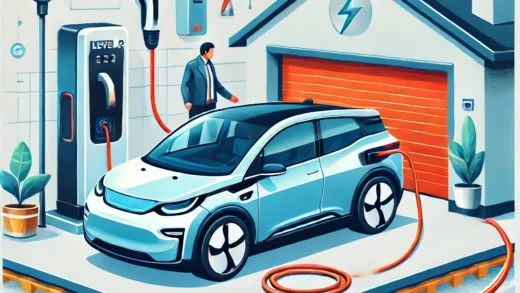
If towing represents the traditional strength of pickups, bi-directional power represents a new frontier. EV pickups are essentially giant mobile batteries, and bi-directional capability allows them to export that stored energy. This includes powering tools on a worksite, running appliances while camping, keeping lights and equipment running during a blackout, or even supporting home energy systems.
Vehicle-to-load (V2L) makes it easy to plug in tools, lights or equipment directly into onboard sockets. Vehicle-to-home (V2H) turns the truck into a temporary backup generator, capable of supporting essential circuits in a house. Vehicle-to-grid (V2G) takes it even further by allowing energy to flow back into the grid during peak demand periods.
This is a game-changer for both the US and European markets. In the US, where storms frequently disrupt power, an EV pickup with home backup capability adds enormous value. In Europe, where energy costs can fluctuate sharply, V2G capabilities could help drivers offset their electricity bills. For contractors, outdoor workers and adventurers, bi-directional power adds practical utility that traditional trucks simply cannot match.
How These Technologies Are Fueling Competition
EV pickup competition is no longer just about horsepower or battery size. Towing performance and bi-directional power have become the core battlegrounds that manufacturers emphasize in marketing and engineering. In the US, where full-size trucks have long dominated, companies are racing to prove that electric pickups can replace or surpass the capabilities of combustion models. Meanwhile, European automakers and newcomers are designing mid-size electric pickups that meet regional towing regulations while offering flexible work and lifestyle capabilities.
The tech wars are especially intense because these features impact real-world value. Towing ability determines whether the vehicle is a true workhorse or a weekend toy. Bi-directional power determines whether it can support users on job sites, during emergencies, or as part of home energy systems. Together, they define the EV pickup’s identity and appeal.
These differences also shape pricing, customer expectations and brand loyalty. A truck that offers strong towing but weak energy export may appeal to traditional buyers but miss out on tech-savvy consumers. A truck with robust bi-directional power but limited towing reach may find fans in Europe’s utility markets but struggle in North America. Automakers know this—and the engineering race reflects it.
Real-World Trade-Offs and What Buyers Should Know
While electric pickups have clear strengths, it’s important for buyers to understand the trade-offs. Towing reduces range significantly, especially at highway speeds or with heavier loads. Drivers will need to plan their routes around charging locations or ensure that battery capacity accommodates both the towing task and extra energy requirements.
Bi-directional power, while extremely useful, isn’t free of consequences. Using the truck as a power source puts additional cycles on the battery. Modern battery management systems can mitigate the impact, but heavy use of V2L or V2H features still contributes to overall battery wear. Infrastructure also plays a role: not all homes or charging setups support bi-directional energy flow, and grid regulations vary widely across Europe and the US.
Despite these factors, the technology is advancing quickly. Improved thermal management, larger battery capacities, and next-generation energy management systems are already reducing the downsides.
The Road Ahead: A New Generation of Utility
Electric pickups are shifting from niche curiosities to capable, versatile machines ready for work, recreation and energy support. Towing performance proves their strength, while bi-directional power showcases their potential far beyond traditional truck roles. As competition accelerates, buyers can expect more efficient powertrains, smarter towing aids, expanded V2G offerings and better integration with home energy systems.
In both the US and Europe, EV pickup tech wars are pushing innovation faster than ever. The winner isn’t just the automaker—it’s the driver who now gets a vehicle that can tow, power a worksite, support a home and still deliver quiet, clean, low-maintenance electric performance.
The electric pickup is no longer just a truck. It’s becoming a tool, a generator and a gateway to smarter energy use—and that’s redefining what utility means in the electric age.