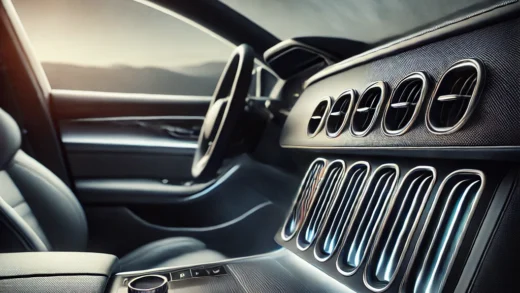
When BMW introduced the idea of paying a monthly fee to use heated seats—a feature already built into many of its vehicles—the backlash was instant. Customers across Europe saw it as a step too far in the growing trend of carmakers experimenting with subscription models. Within months, BMW announced it would no longer charge drivers to switch on heated seats, marking an important moment in the automotive industry’s shift toward software-defined vehicles (SDVs).
The story isn’t just about comfort on a chilly morning. It’s about how car buyers in Europe view ownership, fairness, and value in an era where cars are becoming as much about software as they are about engines and wheels.

Why the Heated Seats Subscription Sparked Outrage?
BMW’s plan was simple in theory. The company offered what it called “Functions on Demand,” letting customers unlock certain features after purchase by paying a subscription. In the UK, for example, front heated seats could be activated for around £15 per month. BMW argued this gave flexibility—drivers could add features only when they wanted them.
But European consumers didn’t see it that way. Heated seats, unlike cloud services or advanced navigation tools, were already sitting inside the car. Buyers felt they had already paid for the hardware when purchasing the vehicle, so paying again to activate it felt like being charged twice. Critics accused BMW of trying to squeeze extra revenue from something that should have been included upfront.
The backlash spread quickly. Drivers complained online, journalists mocked the idea, and competitors quietly watched as BMW became the face of automotive overreach. By September 2023, the company officially backed down, confirming heated seats would no longer be part of its subscription offering.
What This Reveals About European Car Buyers?
The controversy highlighted some important truths about consumer expectations in Europe. Car buyers here place a high value on transparency. When they purchase a vehicle—often the second-largest investment after a home—they expect clear pricing and a sense of permanence. Paying extra each month for something already physically installed doesn’t align with those expectations.
Europe also has a strong culture of vehicle resale. Drivers want to know that when they sell their car, the next owner will benefit from all the equipment built into it. If features are locked behind software subscriptions, resale values could fall, frustrating both sellers and buyers. That potential loss of long-term value is another reason why Europeans pushed back so strongly against BMW’s plan.
Perhaps most importantly, the episode showed that trust is fragile. In an age where digital services often feel like endless micro-transactions, consumers are wary of automakers adopting the same tactics. Once trust is shaken, it’s difficult to rebuild.
How This Fits Into the Bigger Picture of SDVs?
BMW’s misstep wasn’t just about heated seats—it’s part of a larger shift toward SDVs. A software-defined vehicle is one where much of the functionality, from driver assistance to entertainment, is controlled and updated via software. In this model, cars become platforms that can evolve over time, with features switched on or improved through over-the-air updates.
For automakers, the appeal is obvious. Instead of making money only at the time of sale, they can create ongoing revenue streams. Features such as advanced driver-assistance, parking aids, or real-time navigation can be packaged as optional subscriptions. It’s a business model borrowed from the tech industry, and it has the potential to reshape profitability for car brands.
But the heated seats case revealed the limits of this approach. Not all features are suitable for subscriptions. Comfort items like heated seats or steering wheels are seen as basics, especially in colder parts of Europe. Subscriptions may work better for add-ons that clearly rely on continuous updates or data, such as autonomous driving functions or live traffic services.
Lessons for Automakers Operating in Europe
The key takeaway from BMW’s experience is that automakers need to be selective and strategic about which features they offer as subscriptions. The value must be obvious. If customers can’t see why they’re paying, they won’t accept it.
Transparency is also essential. Drivers need to know exactly what is included in the car price and what costs extra. If manufacturers blur those lines, they risk losing consumer confidence.
Equally important is understanding cultural expectations. In Europe, ownership still matters. Buyers want to feel that when they’ve paid for a car, they truly own its features. Subscriptions that undermine that feeling will face resistance.
Finally, there is the matter of regulation. Europe has strict consumer protection rules, and it’s likely that as cars become more like rolling computers, regulators will look closely at how features are sold and restricted. Automakers must stay ahead of this to avoid legal and reputational trouble.
Looking Ahead: The Future of Subscriptions in Cars
BMW’s retreat on heated seats doesn’t mean the end of subscriptions in cars. Instead, it serves as a warning shot. Consumers will embrace subscriptions when they see real benefits—such as ongoing safety updates, flexible access to premium driver-assistance systems, or new entertainment options. They will reject them when they feel like a way to extract more money without adding genuine value.
For Europe, this means automakers need to walk a careful line. The future of SDVs is inevitable, but the business models around them must respect local expectations of fairness, ownership, and long-term value. The brands that succeed will be those that build trust, communicate clearly, and focus on features that make sense in a subscription format.
The heated seats revolt may already be fading into memory, but its lesson is enduring. As cars become more software-driven, the rules of engagement with consumers are changing. Automakers who listen, adapt, and put customer trust first will lead the way. Those who ignore the message risk facing their own backlash.