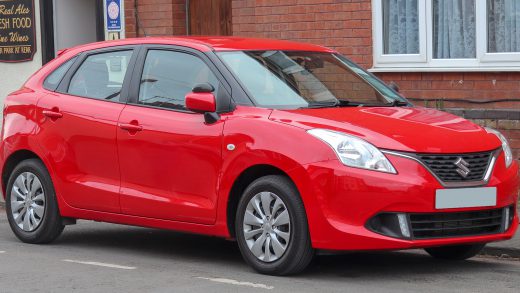
Getting your first car is a big milestone. Whether you need it for work, school, or simply the freedom of being able to go anywhere, the decision between buying electric or petrol is one of the biggest questions facing drivers today. In both the US and Europe, the options have never been more varied. Electric vehicles (EVs) are becoming mainstream, while petrol cars remain popular for their affordability and convenience. But when it comes to choosing your very first car, which one makes the most sense?

How They Work?
Petrol cars are straightforward. You fill up at the gas station, drive, and repeat. The infrastructure is already everywhere, which makes them practical and easy. Electric cars work differently. They rely on batteries and electric motors instead of engines. You recharge them by plugging into a wall outlet, a home charger, or a public charging station. That difference changes everything about how you own and use a car, from running costs to maintenance.
Upfront Costs vs Everyday Savings
One of the first things new buyers notice is price. Petrol cars tend to have lower sticker prices. For students, young professionals, or first-time buyers on a tight budget, that can be hard to ignore. EVs often cost more upfront, though this gap is closing quickly as battery prices drop and more affordable models appear.
Once you own the car, however, the running costs look very different. Electricity is usually much cheaper per mile than petrol, especially in Europe where fuel prices are high. Maintenance is also lighter with EVs, since there are fewer moving parts—no oil changes, no timing belts, and less wear on brakes thanks to regenerative braking. Over a few years, those savings add up.
In the US, federal tax credits and state incentives can reduce the initial EV price, while in Europe many governments offer subsidies, reduced registration fees, and perks like access to low-emission zones. These supports can sometimes make an EV cheaper overall than a petrol equivalent.
Environmental Considerations
For many first-time buyers, climate and air quality are important factors. Petrol cars emit carbon dioxide and pollutants every time they run. EVs, by contrast, have no tailpipe emissions. The overall environmental impact of an EV depends on the electricity grid where you live. In countries with cleaner grids—such as Norway, France, or parts of the US—EVs are already significantly better for the climate. Even in regions where fossil fuels still dominate, EVs usually perform better over their full life cycle because they become cleaner as the grid gets greener.
In other words, if part of the reason you’re choosing your first car is because you want to reduce your footprint, EVs are the stronger option.
Range, Charging, and Lifestyle
This is where things get personal. Range anxiety is still one of the top reasons first-time buyers hesitate about EVs. Petrol cars can travel hundreds of miles and refuel in minutes. EVs today offer ranges from about 150 to 300 miles depending on the model, which is fine for most daily use but may feel restrictive on long trips.
Charging is the other side of the coin. If you have a driveway or garage, installing a home charger makes EV ownership easy. Plug in overnight and you start every day with a full battery. If you live in an apartment or don’t have private parking, relying on public charging can be trickier. Europe has made significant progress expanding charging networks, and the US is catching up with more fast chargers along highways. Still, petrol stations remain more convenient almost everywhere.
The key question is how you plan to use the car. If most of your driving is commuting, errands, or city trips, an EV could fit perfectly. If you expect frequent road trips or long drives in rural areas, petrol may feel safer for now.
Resale, Depreciation, and Technology
First cars often aren’t forever cars. Petrol cars are a known quantity in terms of depreciation—values drop steadily but predictably. EVs are newer technology, and while demand for used EVs is growing, their value depends heavily on battery health and how quickly technology improves. Some older EVs lose value quickly as newer models with longer ranges come out.
On the flip side, governments in Europe are setting deadlines to phase out new petrol cars in the 2030s, which could make used petrol models less attractive in the long run. For a first car, resale value is worth considering if you plan to upgrade after a few years.
Thinking Ahead
The world is moving toward electric. Infrastructure is expanding, battery costs are dropping, and policies are steering drivers away from petrol. If you’re buying your very first car today, it may be worth asking whether you want to step into the future early or stick with what feels familiar. Petrol still offers flexibility and low purchase costs, but EVs are increasingly practical and rewarding if your circumstances fit.
The Bottom Line
So which should you pick for your first car? The honest answer depends on your lifestyle. If you want the lowest upfront cost, easy refueling, and don’t mind higher running expenses or emissions, a petrol car is still a solid choice. If you value lower running costs, care about the environment, and can access reliable charging, an EV could be the smarter long-term investment.
For first-time buyers in both the US and Europe, the tipping point is near. In many cities, EVs are already the more sensible option. But in rural areas or for long-distance driving, petrol cars still make sense. Whichever way you lean, think about your budget, your driving habits, and your future plans. After all, your first car is more than just transportation—it’s the start of your driving story.
This is a topic which was posted on Reddit and here is the link to the reddit post – https://www.reddit.com/r/whatcarshouldIbuy/comments/1mvi45t/electric_or_petrol_as_first_car/