Fleet insurance is no longer just a paperwork requirement for commercial operators in the US and EU. It is becoming a strategic tool powered by artificial intelligence that helps fleets cut costs, improve safety, and stay competitive. Commercial vehicles operate at scale, logging thousands of miles every week, which makes them ideal candidates for data-driven insurance models. Unlike private car owners, fleet managers constantly analyze performance metrics, fuel efficiency, and driver behavior. This data-first mindset naturally aligns with AI-powered insurance solutions. As a result, commercial fleets are adopting AI insurance technologies much faster than individual consumers.
The scale of operations plays a huge role in this accelerated adoption. A single accident in a commercial fleet can impact delivery timelines, customer satisfaction, and overall profitability. Fleet operators understand that reducing risk directly improves their bottom line. AI transforms insurance from a passive expense into an active risk management system. In highly competitive logistics markets across North America and Europe, this advantage is too significant to ignore.
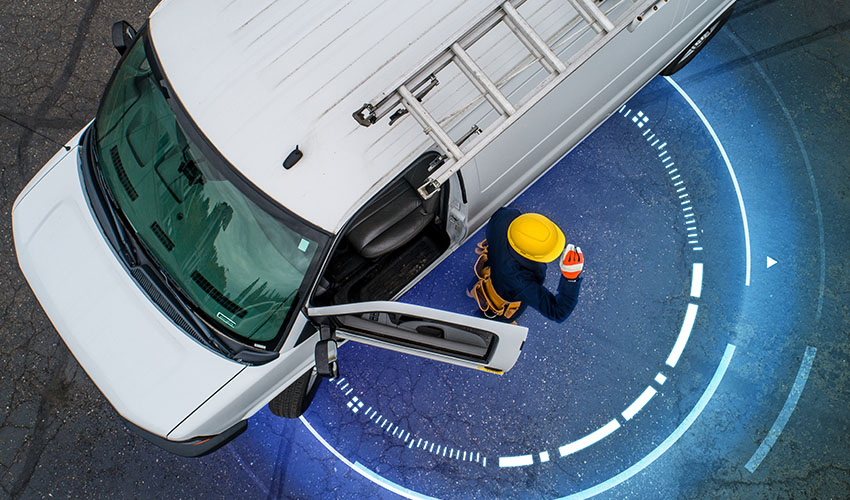
Why Commercial Fleets Adopt Faster Than Private Drivers
Private vehicle owners often see insurance as a fixed monthly bill with little room for control. Commercial fleets, on the other hand, treat insurance as part of operational strategy. When AI offers the ability to lower premiums through measurable safety improvements, fleet managers pay attention. They can see direct financial returns when drivers improve behavior or when predictive systems reduce breakdowns. This clear return on investment speeds up decision-making and technology adoption.
In the US, where insurance costs can fluctuate significantly depending on accident history and liability claims, AI-driven risk assessment offers more predictable outcomes. In the EU, fleets operating across borders benefit from data-driven insights that account for regional driving conditions and regulations. Commercial operators are simply more motivated to adopt tools that offer transparency and cost control at scale. The financial incentives are stronger, and the operational benefits are immediate.
AI-Powered Risk Scoring Changes the Game
Artificial intelligence analyzes telematics data from commercial vehicles in real time. Speed patterns, braking intensity, cornering behavior, idle time, and route selection are continuously evaluated. AI systems convert this information into dynamic risk scores that reflect actual driving behavior instead of historical averages. This shift from static underwriting to behavior-based pricing is revolutionizing fleet insurance models.
For fleet managers, this means premiums are no longer based solely on past claims or general risk categories. Instead, pricing reflects real-world performance. Safe drivers and well-maintained vehicles are rewarded with better rates. This fairness encourages fleets to invest in driver training programs and vehicle monitoring systems. Over time, safer behavior leads to fewer accidents, which benefits insurers and fleet operators alike.
Predictive Maintenance Reduces Claims Before They Happen
One of the most powerful applications of AI in fleet insurance is predictive maintenance. Connected commercial vehicles generate detailed performance data that machine learning systems analyze to identify early warning signs of mechanical failure. Instead of reacting to breakdowns after they occur, fleets can schedule maintenance before a component fails. This proactive approach reduces downtime and prevents accidents caused by equipment malfunction.
Insurance providers increasingly integrate maintenance data into their pricing models. Fleets that demonstrate consistent preventive maintenance often qualify for lower premiums. In Europe, where strict safety inspections are common, predictive systems support compliance while reducing unexpected repair costs. In the US logistics sector, where delivery speed is critical, preventing breakdowns keeps operations running smoothly and protects revenue streams.
Real-Time Monitoring Builds a Safety Culture
AI-powered fleet insurance is not just about numbers and analytics; it shapes company culture. Real-time telematics dashboards give fleet managers visibility into driver performance across the entire operation. Patterns of risky behavior can be identified quickly and addressed through coaching or training programs. Drivers receive feedback that helps them improve skills and understand how their habits affect insurance costs.
This transparency creates accountability without feeling punitive. Many fleets in the US and EU use performance-based incentives linked to safe driving scores. When drivers see measurable improvements leading to lower premiums and company recognition, engagement increases. Over time, safety becomes part of daily operations rather than a compliance requirement. Insurance evolves from a reactive expense into a proactive management tool.
Regulatory Confidence and Data Responsibility
Adoption is also supported by strong regulatory frameworks that ensure responsible data use. In the European Union, GDPR mandates strict consent and data protection standards. In the United States, state-level privacy laws guide telematics data usage and transparency. Modern AI insurance platforms are built with privacy safeguards that protect driver information while still delivering actionable insights.
Fleet operators are more comfortable adopting AI when compliance and data security are clearly defined. Transparent data governance builds trust between insurers, fleet managers, and drivers. This trust accelerates implementation because stakeholders understand how information is collected and why it benefits the organization. Responsible data practices ensure that innovation does not compromise privacy or regulatory compliance.
The Competitive Edge of Smart Insurance
Ultimately, fleet insurance powered by AI provides a strong competitive advantage. Lower accident rates reduce claim payouts and operational disruptions. Data-driven insights improve route planning, fuel efficiency, and vehicle longevity. Insurance premiums become aligned with actual risk, not outdated assumptions. For fleets competing in fast-paced logistics and service markets, these improvements directly influence profitability.
Commercial vehicles adopt AI insurance faster because the benefits are measurable and immediate. The scale of fleet operations amplifies every efficiency gain. As AI technology continues to evolve, insurance will become even more integrated with fleet management systems. In both the US and EU markets, the message is clear: fleets that embrace AI-driven insurance today are building safer, smarter, and more resilient operations for tomorrow.