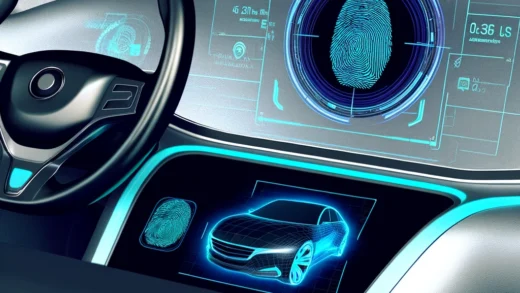
Modern vehicles are no longer static machines that leave the factory and remain unchanged for years. They are dynamic, software-defined platforms that receive continuous improvements through over-the-air updates. From performance enhancements to cybersecurity patches, OTA capability has become a competitive differentiator in both the US and EU automotive markets. Yet behind every successful update is a critical security layer most drivers never see: the signing infrastructure.
Signing infrastructure ensures that every software update installed in a vehicle is authentic, untampered, and approved by the manufacturer. Without it, attackers could potentially inject malicious code into critical vehicle systems. As regulatory frameworks in Europe and evolving cybersecurity expectations in the United States tighten, OEMs must treat signing infrastructure as mission-critical infrastructure. It is no longer just a technical detail within IT departments; it is a board-level risk management priority.

Why Signing Infrastructure Is Now a Regulatory Expectation
In Europe, cybersecurity and secure software update requirements have become formal obligations under vehicle type-approval rules. Regulations demand that manufacturers demonstrate control over how software is developed, validated, and deployed. Secure signing mechanisms are a core element of these compliance frameworks, ensuring that only authorized updates reach production vehicles. For OEMs selling globally, aligning with these expectations has become unavoidable.
In the United States, regulators and industry bodies are also emphasizing secure software delivery, especially as connected and automated vehicle technologies expand. While the regulatory structures may differ from Europe, the direction is clear: secure update mechanisms are fundamental to vehicle safety. A compromised signing key or poorly designed update architecture could affect millions of vehicles simultaneously. This is why signing infrastructure must be engineered with both resilience and containment in mind.
Key Custody: Controlling the Crown Jewels
At the center of signing infrastructure lies the cryptographic signing key. This key is effectively the digital stamp of authenticity for vehicle software. If an attacker gains access to it, they could sign malicious updates that vehicles would trust implicitly. For OEMs, protecting signing keys is equivalent to protecting the keys to the entire fleet.
Key custody refers to how signing keys are generated, stored, accessed, and retired. Best practice in both US and EU markets involves isolating keys within hardware security modules, which are specialized devices designed to prevent unauthorized extraction. Access to these keys should be tightly restricted, audited, and governed by strict role-based controls. Clear procedures must exist for onboarding and offboarding personnel, ensuring that access privileges are continuously reviewed and updated.
Strong key custody also requires separation of duties. The individuals who develop software should not automatically have authority to sign it for production release. Introducing multi-party approval processes reduces insider risk and prevents single points of failure. By treating signing keys as high-value assets with rigorous protection policies, OEMs significantly reduce the likelihood of catastrophic compromise.
Designing for Blast-Radius Control
Even the most secure systems must assume that breaches are possible. That is where blast-radius design becomes essential. Blast radius refers to the potential scope of damage if a signing key or infrastructure component is compromised. In automotive environments, poor blast-radius planning could mean exposing an entire global fleet to risk.
Effective blast-radius design begins with segmentation. Instead of relying on one master key for all vehicles and regions, OEMs can implement hierarchical or platform-specific keys. Separate signing chains for different vehicle programs, geographic markets, or software domains help limit exposure. If one key is compromised, only a defined subset of vehicles is affected rather than the entire product line.
Environment isolation is equally important. Development, testing, and production environments must use distinct keys and infrastructures. Production keys should never be accessible within development networks, and vice versa. This separation prevents attackers from escalating privileges across environments and reduces systemic vulnerability. Combined with regular key rotation and revocation capabilities, blast-radius design ensures that no single breach becomes a fleet-wide disaster.
Integrating Signing Infrastructure into Business Strategy
Signing infrastructure is not just a cybersecurity tool; it is a strategic enabler for software-driven innovation. As vehicles increasingly rely on feature-on-demand models, subscription services, and remote performance upgrades, secure signing ensures that revenue-generating software cannot be manipulated or pirated. It protects intellectual property while maintaining customer trust.
From an operational standpoint, integrating signing processes into CI/CD pipelines enables faster and safer release cycles. Automated verification steps, audit trails, and centralized key management systems create transparency and accountability across teams. In both the US and EU, regulators increasingly expect documented evidence of secure update practices. OEMs that embed signing governance into their broader cybersecurity and compliance frameworks position themselves as responsible industry leaders.
Building Trust in the Software-Defined Vehicle Era
Consumers may never think about signing infrastructure, but they rely on it every time their vehicle receives an update. Trust in modern mobility depends on the assurance that updates improve safety and performance rather than introduce hidden risks. A single high-profile compromise could erode public confidence in connected vehicles overnight.
By investing in strong key custody policies and thoughtful blast-radius design, OEMs send a clear message to regulators, partners, and customers alike. They demonstrate that innovation does not come at the expense of security. In a competitive market where digital capabilities define brand perception, secure signing infrastructure is not just about compliance—it is about leadership.
As the automotive industry accelerates toward fully software-defined platforms, signing infrastructure will remain the invisible shield protecting every update. OEMs that prioritize it today will be better equipped to deliver safe, resilient, and trusted mobility solutions for years to come.